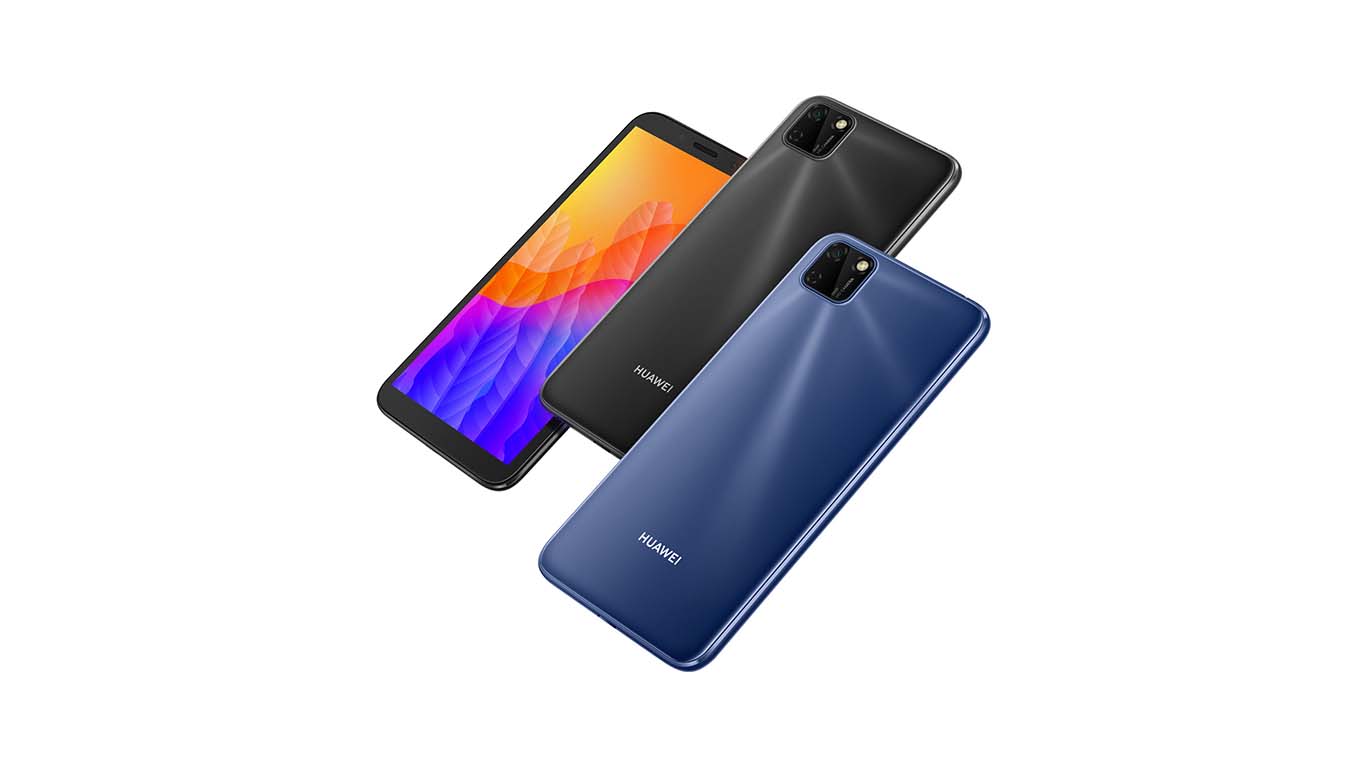
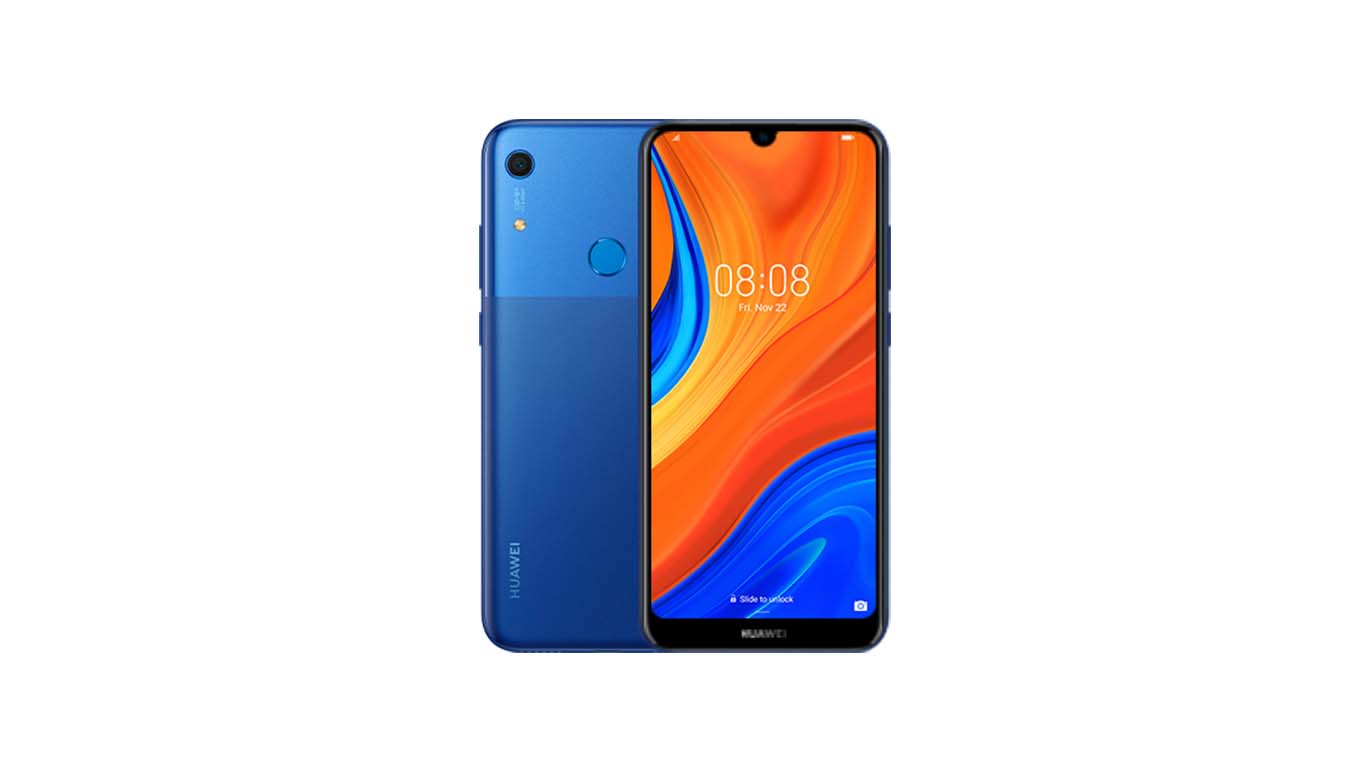
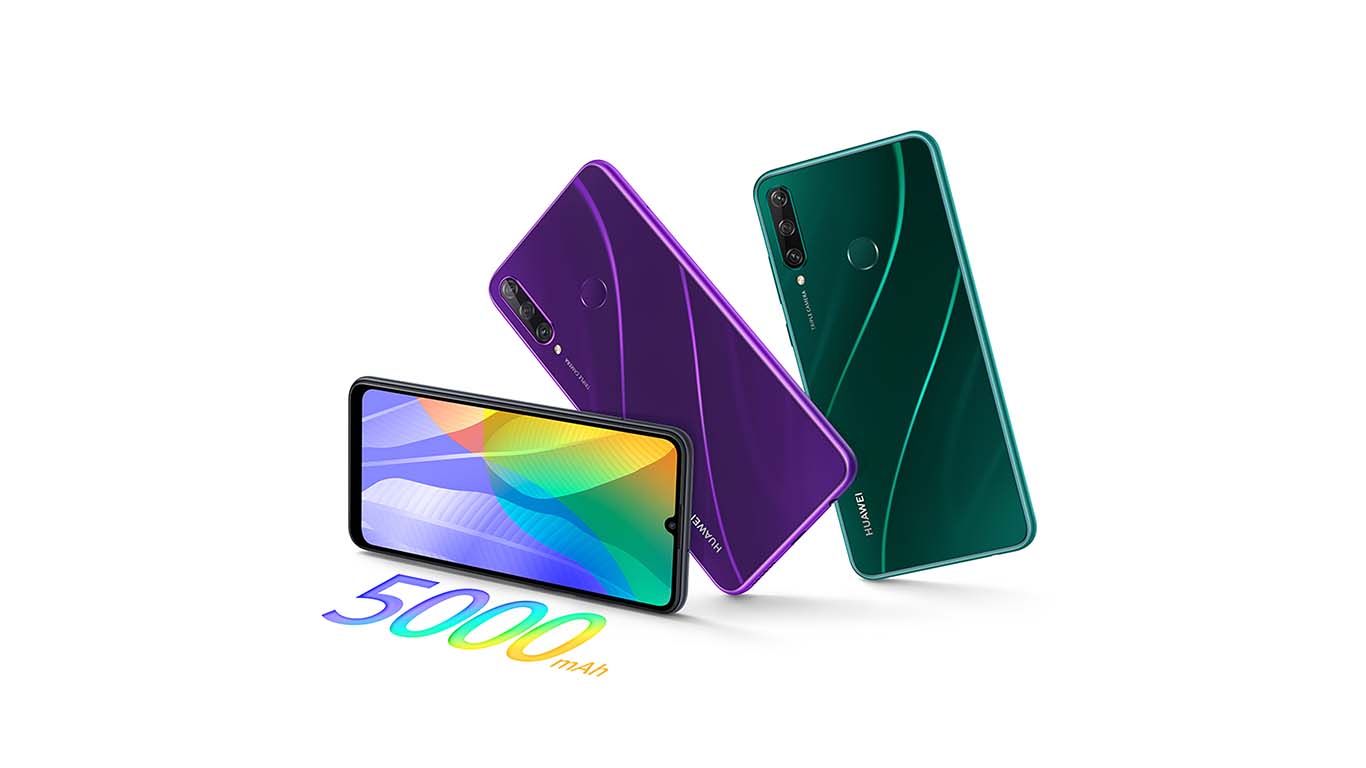
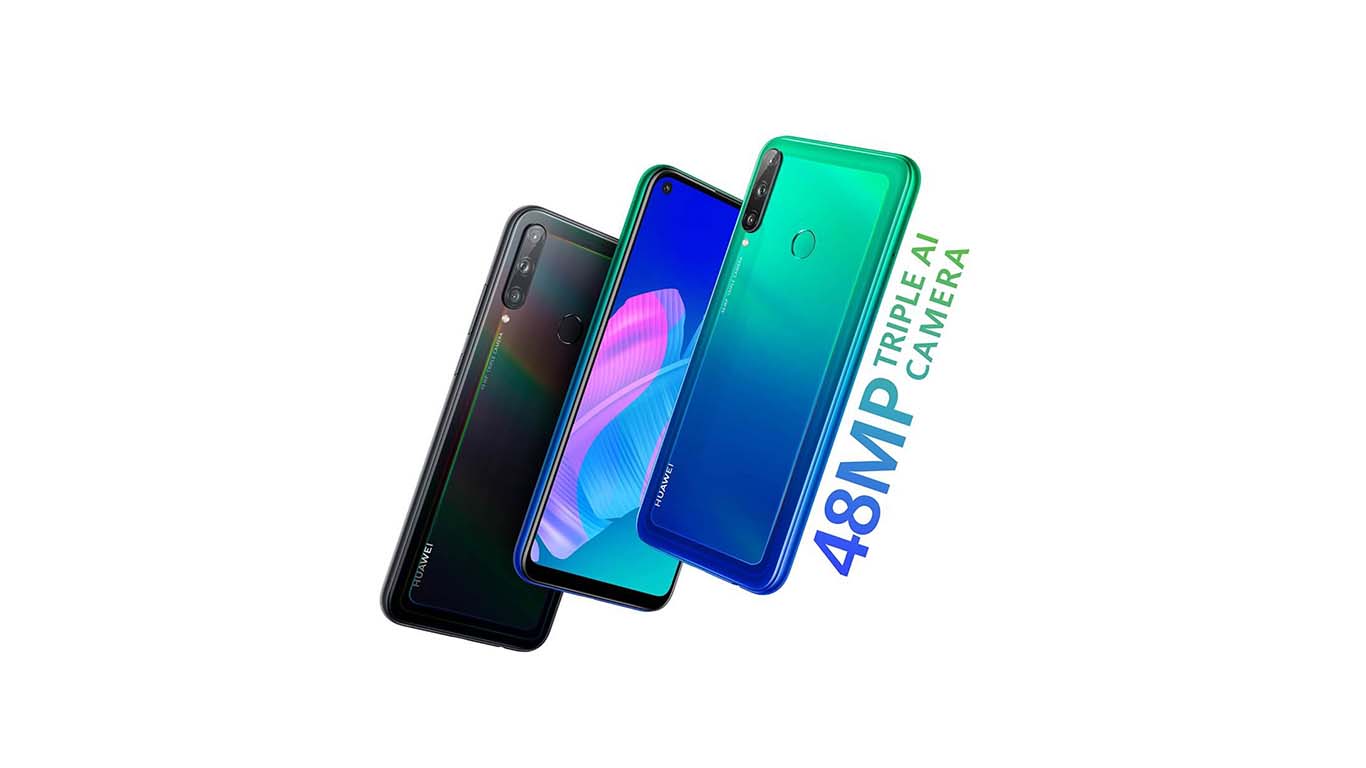
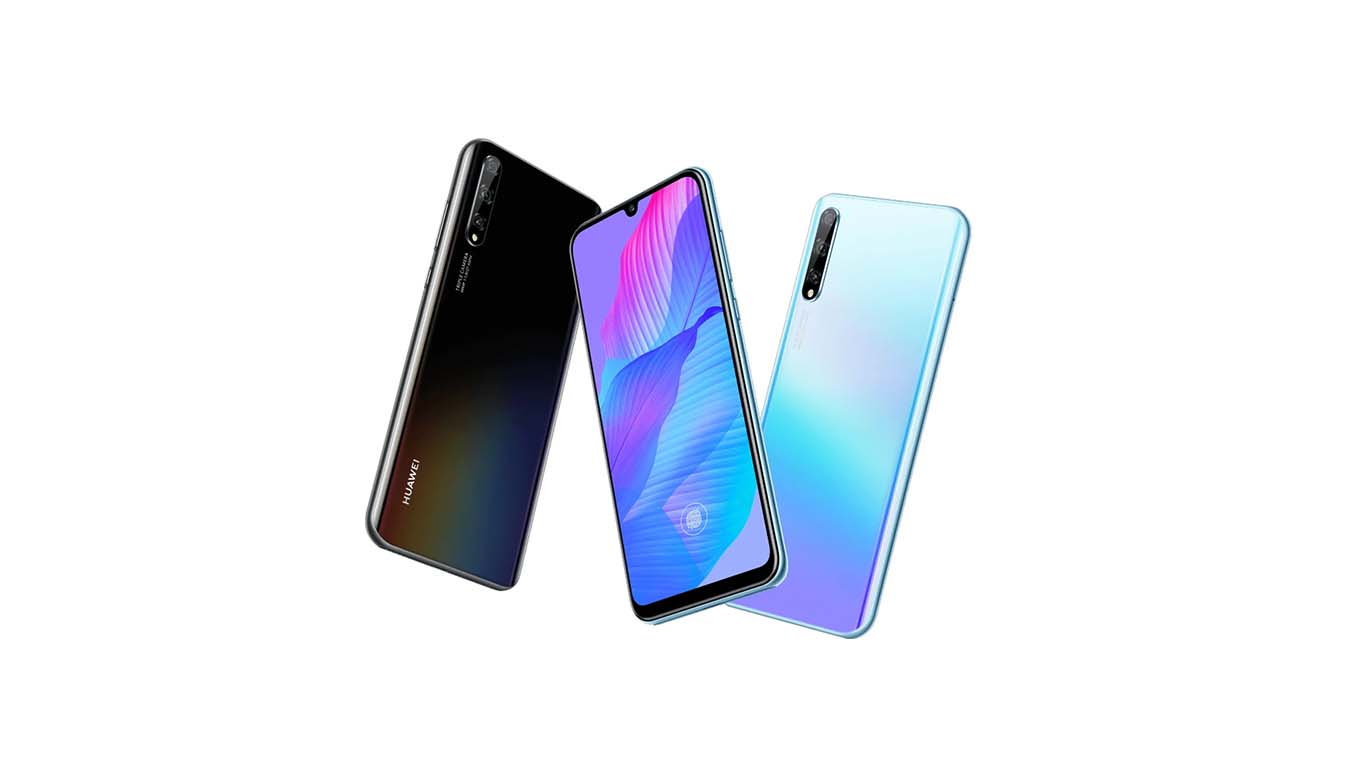
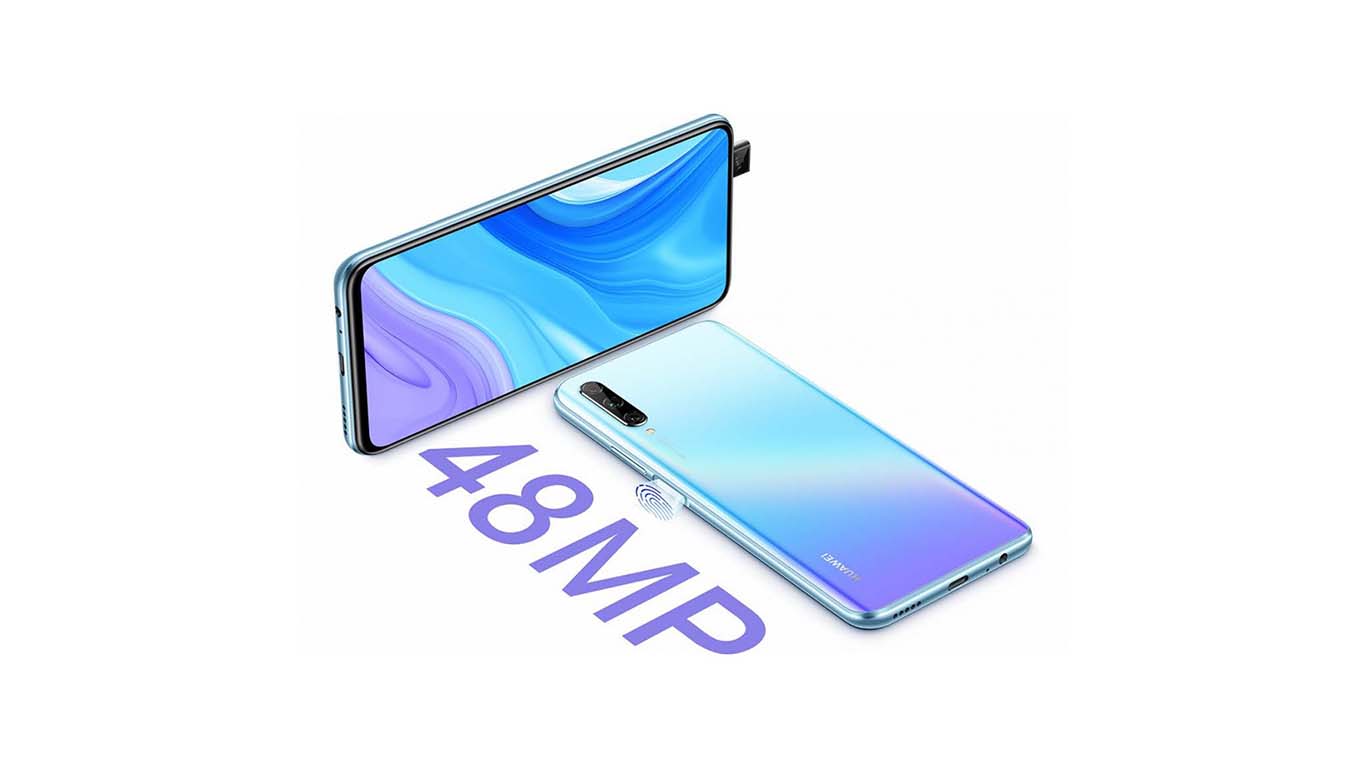
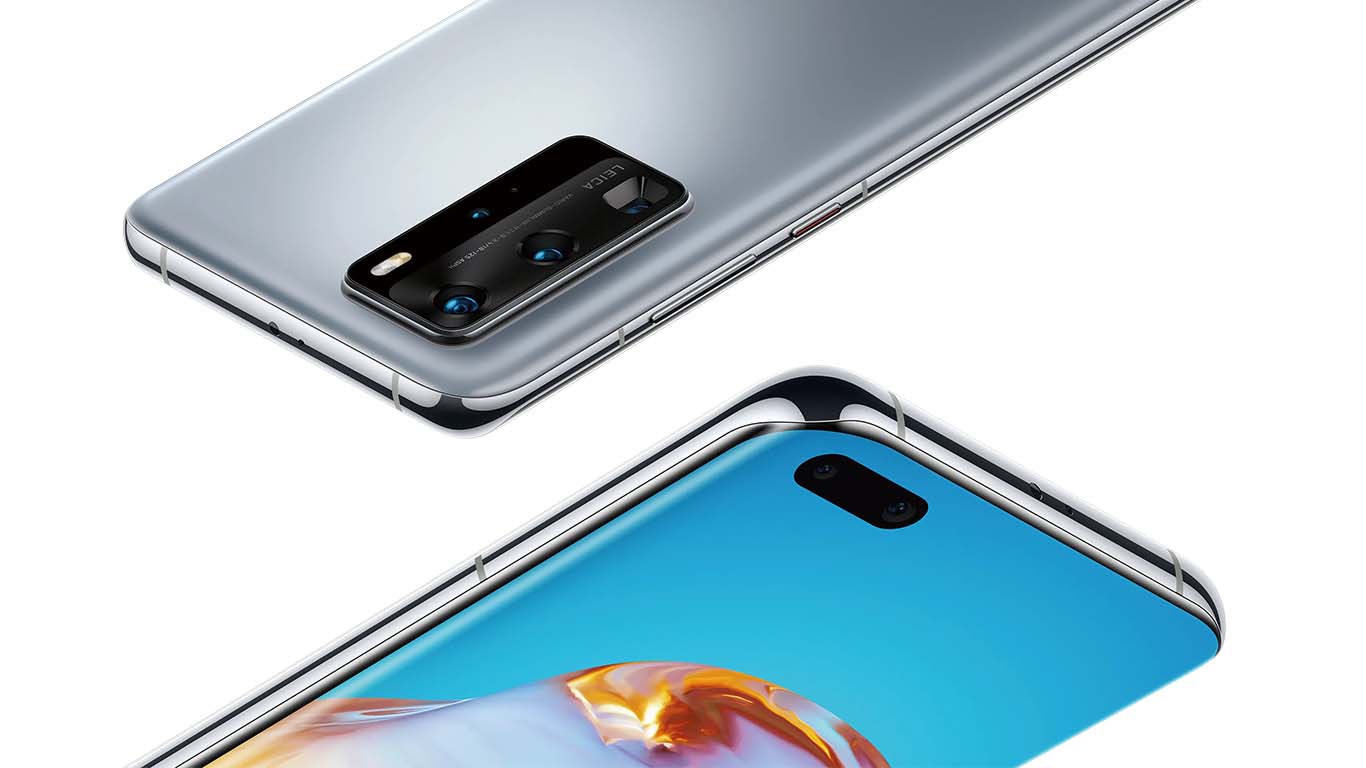
Huawei Nova 11 is all set to launch in the Tech Market any time soon. This smartphone is rumoured to be an excellent device with Mediatek Dimensity 1300 processor and 8 GB of RAM.
Let’s discuss the specs we are available with so far in depth.
Huawei Nova 11 Overview;
Display
There are rumors circulating about Huawei Nova 11 featuring a 6.7 inches and an OLED display featuring 1B colors, a 120Hz refresh rate, and HDR10 compatibility. The resolution is expected to be 1080 x 2400 pixels with a 20:9 aspect ratio, resulting in a PPI density of 395.
Additionally, the phone is expected to have multi-touch functionality, allowing for intuitive and responsive interactions. With these impressive specifications, this upcoming phone promises to provide an immersive and high-quality viewing experience for users.
The smartphone will be seen four different color options; Black, Silver, Green, Violet
Camera Features
The camera of Huawei Nova 11 can be a major selling point, if what we’ve heard is true. The rear camera will feature a triple setup with a 64 MP wide-angle lens, an 8 MP ultrawide lens, and a 2 MP depth sensor. Additional features include LED flash, panorama, and HDR. Video capabilities include 4K, 1080p, and 720p at 960fps with gyro-EIS stabilization.
The front-facing camera is also impressive, with a 32 MP ultrawide lens, HDR capabilities, and 4K and 1080p video recording at 30fps with gyro-EIS. With these advanced camera features, this phone promises to deliver stunning photos and videos that will exceed the expectations of even the most demanding users.
Battery Life
The battery of Huawei Nova 11 is expected to be a high-performing Li-Po type with a capacity of 4500 mAh. In addition to its impressive capacity, the battery is rumored to support fast charging technology, capable of delivering up to 66W of power. This means that users can quickly and easily recharge their phones, even when they are running low on battery.
Additionally, the phone is expected to support reverse charging, which will allow it to function as a power bank and charge other devices.
Performance
Huawei Nova 11 is expected to deliver powerful and efficient performance with a range of impressive specifications. The phone is rumored to be running on the latest version of the HarmonyOS 3.0 operating system, which promises to deliver a smooth and intuitive user experience.
The phone’s chipset is expected to be a MediaTek Dimensity 9000, providing a powerful and reliable performance. It will feature an octa-core CPU, with 1 Cortex-X2 core clocked at 3.05 GHz, 3 Cortex-A710 cores clocked at 2.85 GHz, and 4 Cortex-A510 cores clocked at 1.80 GHz. The phone’s graphics processing unit is expected to be a Mali-G710 MC10, providing excellent graphics performance.
With 8GB of RAM and 128GB or 256GB of storage, this phone promises to deliver a seamless and responsive user experience, making it an ideal choice for anyone looking for a high-performing smartphone.
We have estimated the smartphone from Huawei to cost about NPR43600 to NPR54500 when it releases in the Nepalese Tech Market. How ever there has not been any official word about the device’s price or release yet.
We will be updating this site as soon as we get our hands on any information. Stay Tuned!
OnePlus TV 40 Y1S has been added to the existing OnePlus TV Y1S series in India. This smart TV is the 40-inch variant of the series. The rest of the TVs come with32 and 43 inch screen. This smart TV is available for purchase in India and we expect it to be available in Nepal soon.
For now, let’s discuss the specs, features and cost of the OnePlus TV 40 Y1S.
OnePlus TV 40 Y1S Overview;
Display
The OnePlus TV 40 Y1S is a great option for those who enjoy watching movies, TV shows, or playing video games with vibrant and realistic colors. With a Full HD resolution of 1920 x 1080 pixels, you can expect crystal-clear visuals with excellent detailing and clarity. Furthermore, the HDR10, HDR10+ and HLG format support ensure that you get the best color accuracy and contrast possible, making it an immersive experience.
The screen’s thin bezels around the edges give the TV a sleek and modern look, and it would look great in any room. The OnePlus logo at the bottom of the screen adds a touch of elegance to the design, while the thicker bezels provide added stability and protection for the screen.
Thanks to the Gamma Engine, the OnePlus TV 40 Y1S offers excellent picture quality by automatically adjusting the contrast, brightness, and saturation levels to provide clear and vivid content. Whether you are watching sports, movies or playing games, the Gamma Engine ensures that you get the best possible picture quality.
Performance
With its powerful MediaTek MT9216 quad-core processor and Mali G32 MP2 GPU, the Smart TV is capable of delivering smooth and seamless performance for all your entertainment needs. Whether streaming shows, playing games, or browsing the web, this TV can handle it all with ease. The 1GB of RAM ensures that multitasking is a breeze, while the 8GB of internal storage provides ample space for all your apps, games, and media.
This TV comes with Android TV 11 operating system and OxygenPlay 2.0, users have access to an extensive library of content from various regional and international partners. From the latest movies and TV shows to music and games, there’s always something new to explore. And with OnePlus Connect 2.0, you can seamlessly connect your smartphone to the TV and enjoy all your favorite content on the big screen.
Connectivity Options
The TV’s connectivity options are impressive. It comes with dual-band Wi-Fi ensuring a stable and fast connection, data saver helping to keep your data usage in check, built-in Chromecast and Miracast making it easy to stream content from your mobile devices, and two HDMI 2.0 ports and two USB Type-C ports providing multiple options for connecting other devices. The RJ45 connector port allows for a reliable wired connection, while Bluetooth v5.0 support enables you to connect your wireless headphones or other Bluetooth-enabled devices.
Audio
This Smart TV from OnePlus comes with 20W stereo speaker setup that supports Dolby Audio, you can enjoy a truly immersive audio experience that brings your entertainment to life.
Wireless Connectivity: Wi-Fi 2.4/5GHz, Bluetooth 5.0
I/O Ports: 2x USB 2.0, 2x USB Type-C, RJ45
Overall, the Smart TV is an excellent choice for anyone looking for a powerful, feature-packed TV that delivers an exceptional entertainment experience. With its impressive specs and connectivity options, it’s sure to keep you entertained for hours.
Vivo V29 Pro’s leaks have filled the tech market just after the release of Vivo V27 Series. The V27 series is very impressive and viewers have expected a lot more from the Vivo V29 Pro. Let’s find out if the new V29 can beat it predecessor. Here is everything we know so far.
Vivo V29 Pro Overview:
Display And Design
According to recent rumors, Vivo V29 Pro is expected to feature a large 6.7-inch AMOLED screen. This display is rumored to have a resolution of 1080 x 2400 pixels, which is considered to be average for a screen of this size. The pixel density is expected to be around 391 ppi, which is again considered to be average.
One of the interesting things about this display will be AG Glass, which is a type of glass that helps reduce glare and reflections. This could make it easier to use the phone in bright sunlight or other well-lit environments. Additionally, the display is expected to be HDR 10+ compatible, which means that it should be capable of displaying a wider range of colors and contrasts than traditional displays.
The phone will also come with 120 Hz refresh rate. This means that the display will be able to update its content 120 times per second, which should result in smoother scrolling, better animation, and an overall better user experience. Finally, the display is rumored to have a punch-hole design, which means that the front-facing camera will be located in a small cutout in the display rather than in a traditional bezel.
Performance
The upcoming smartphone is equipped with Mediatek Dimensity 8020 Chipset and Octa Core Processor which can deliver solid performance, making multitasking and running demanding applications a breeze. The 8 GB RAM and 8 GB Virtual RAM combination ensures smooth operation and swift app launching.
Additionally, Vivo V29 Pro’s 256 GB inbuilt memory will be large enough to accommodate a considerable amount of media files and applications. The device will also feature a dedicated memory card slot, making it possible to expand the storage capacity further.
Overall, the phone’s performance can be called average, but the generous storage and dedicated memory card slot are big highlights.
Camera And Battery Features
The Vivo V29 Pro’s camera is set to boasts an impressive 64 MP + 8 MP + 2 MP triple rear camera setup complete with OIS for steady shots, which is an improvement compared to the previous series. With this combination of lenses, users can capture stunning and detailed photos, as well as shoot average quality 4K UHD videos.
The smartphone also features a 50 MP front camera for high-quality selfies and video calling.
Moving on to the battery, V29 Pro’s battery is a large 5000 mAh capacity, ensuring that users can go through their day without worrying about running out of power. The phone supports 120W fast charging, which allows users to quickly charge the battery and get back to using their device in no time.
Camera: 64 MP + 8 MP + 2 MP Triple Rear Camera with OIS
Video Recording: 4K UHD
Front Camera: 50 MP
Chipset: Mediatek Dimensity 8020
Processor: Octa Core
RAM: 8 GB RAM + 8 GB Virtual
Inbuilt Memory: 256 GB
Battery: 5000 mAh, 120W Fast Charging
Vivo V29 Pro Price And Availability In Nepal
Official information about Vivo V29 Pro is not out yet. Experts in India have expected the smartphone to cost about INR 43,990. The expected price for V29 Pro in Nepal is NPR54500 to NPR65400. We will be updating this article as soon as we dig out more information. Stay Tuned!
Feiyu Pocket 3 is a small yet versatile camera complete with its own three axis gimbal. Feiyu has now upped its game with the wireless Pocket 3, which looks like it makes for easier shooting.
Feiyu Pocket 3 Overview
Feiyu Pocket 3 is cordless and detachable camera. It is highly portable and convenient to use. It comes equipped with a Sony 1/2.3″ CMOS sensor (IMX577), which is known for producing high-quality images and videos.
One of the most notable features of this gimbal camera is its magnetic, detachable design. This allows you to easily attach and detach the camera from the gimbal, making it highly convenient to use.
Camera Features
The camera features a 12-megapixel pixel resolution and a 16mm focal length, allowing you to capture crisp, detailed images and videos. It can capture images with a maximum size of 4000*3000, giving users ample room for cropping and editing. Additionally, the camera has a 130 F2.0 field of view, allowing users to capture wide-angle shots with ease.
The camera can record at up to 4K at 30 frames per second and take photographs at up to 12 megapixels. It has a Sony 1/2.3-inch CMOS sensor, a wide-angle lens of 130 degrees, and the ability to record slow-motion video at 720p at up to 8 times normal speed. In addition, it and the gimbal may be programmed to automatically take time-lapse footage, track faces, and track objects (including the user).
The camera features a WDR (wide dynamic range) function, which helps to capture clear images and videos even in challenging lighting conditions. It also has a built-in microphone, allowing you to capture high-quality audio alongside your video footage.
Finally, the camera can be controlled using an app on your smartphone, allowing you to adjust settings, view live footage, and capture images and videos remotely. This makes it highly convenient and user-friendly. The camera also has a standby mode, which helps to conserve battery life when not in use.
In conclusion, Feiyu Pocket 3 is a highly capable and versatile device, perfect for capturing high-quality photos and videos with ease. Its cordless and detachable design, combined with its powerful sensor and wide range of features, make it an excellent choice for anyone looking to capture stunning footage.
Feiyu Pocket 3 is available in the international market at the price of US $200. It’s yet to be avilable in the Nepalese Market. We can however, estimate the camera to cost about NRS 25,000 here in Nepal.
Android 14 is the operating system that will power the best Android phones of 2023 and 2024. It has bought a ton of quality-of-life improvements like better battery life, improved accessibility, and a revamped back navigation gesture. It’s definitely shaping up to be a bigger update than what Android 13 was.
After two previews for developers in February and March, Google has published the first beta of Android 14. This implies that anyone with a Pixel device that is eligible for the Android Beta program can easily test the future software by enrolling their device on the Android Beta website.
According to Google’s release schedule, another beta will be made available in May. Two “Platform Stability” releases (not Release Candidates, but conceptually similar) will follow in June.
Android 14 Overview;
We can easily report that Google improves and brings a variety of new aspects into its Android versions every time. Changes to the media handle and the help of alerts, anonymity and haptic input enhancements and more polished notification interface makes quite a difference.
Android 14 Features;
1. An Improved Back Navigation Gesture
When employing gesture navigation, the Android 14 Beta will display a new back arrow, a feature introduced by Google. The arrow, like with the rest of the System UI, is now Material You-themed, meaning it automatically adopts the color scheme of your device’s wallpaper or theme.
The new back button pairs well with Android 14’s predictive animations for returning to previous screens. Apps that take advantage of this feature will show you a sneak peek at the next screen when you slide your phone’s screen in a backwards direction. It explains why Android does that back gesture.
2. An Enhanced Share Sheet
One of Android’s strongest features is the Share sheet, which facilitates information exchange between applications. With Android 14, Google is enhancing the share menu’s effectiveness by letting developers add their own actions.
Many Android apps already do this, but they do so by constructing their own unique share sheet. To address this, in the Android 14 Beta, Google has introduced a new API that will allow apps to show more actions within the native share sheet.
In Android 14, the preview of all the photographs you are sharing will be displayed in the Share sheet. There’s a cap of three images for now.
3. Faster and More Secure PIN Entry
By removing the animation that plays when you enter your PIN, Android 14 Beta makes entering a PIN more secure. It was long overdue that the PIN input animation could be toggled, given that the pattern trail animation could be disabled.
It’s a tiny tweak, however now tapping the keypad won’t highlight any buttons. Shoulder surfers won’t be able to as easily read your PIN with this.
In addition, if you use a PIN of six digits or more, the operating system will instantly unlock your device upon verification of accurate entry. To confirm the PIN on Android versions before to 13, hit the Enter key.
4. Separate Ringtone and Notification Volume Sliders
With Android 14 Beta, you may now adjust the volume of your ringtone and notifications independently of one another. Incoming call ringtone can be adjusted to be louder than alert for notifications. There have been a number of custom Android skins, including Samsung’s One UI, that have included this feature for some time, but it has only just been part of the official Android experience.
5. Accessibility Improvements
Several changes were made to make Android 14 Beta more accessible. In comparison to Android 13, which only enables a 130% scaling factor, the text size can now be increased by as much as 200%. Google plans to use non-linear font scaling to address any user interface (UI) difficulties that may arise from the bigger font size. Since excessively enlarging already-large text could result in its being truncated, this is the case.
Support for Flash alerts is also a significant improvement to accessibility. A smartphone’s display or camera LED can be programmed to blink whenever a new notification is received. You may even make them both flash at the same time if you like.
Finally, a minor but nice enhancement is the availability of both Imperial and Metric units of measurement worldwide.
Google Will Continue Adding New Features to Android 14
Google plans to deploy Android 14 as a stable update for Pixel phones in August or September, so the beta testing phase will continue until then. Until then, the business is likely to keep introducing novel OS features and, on sometimes, eliminating others.
Please be aware that the aforementioned features may not be present in the Android 14 build of your non-Pixel phone. This is due to the fact that each Android skin developer can pick and choose which functionalities to implement.
The following Google Pixel smartphones are compatible with the Android 14 First Developer Preview:
Motorola has launched some rebound phones in Nepal this year after it was getting drifted away from the competition. Motorola has been providing mobile phones to Nepal since 2017 with budget-friendly C and E series. Now the brand has returned with its G series. Motorola Mobile Price in Nepal is under Rs. 20,000 till date.
In this post, we will be focusing on various models of Motorola Mobile Price in Nepal. We will be having a brief discussion about the features, price, and availability as well.
The official distributor for Motorola in Nepal is Call Mobility based on Triveni Complex, 3rd Floor, Ramshahpath, Putalisadak, Kathmandu.
Alongside these phones, the new Moto G8 Power Lite and Moto E6i (already launched in Brazil)are expected to launch soon in Nepal.
Moto G31
The Moto G31 has a 6.4-inch AMOLED screen with a density of 411 PPI and a resolution of 1080 x 2400 pixels. In contrast, it is driven by a MediaTek Helio G85 processor with a 12nm architecture.
The smartphone also includes a triple camera arrangement on the back. This has an f/1.8 50MP main camera and two 8MP ultra-wide and 2MP macro secondary sensors. it can record 1080P video at 30 frames per second. Moto G31 Price in Nepal: NPR 23,999 (4+128GB)
4G LTE, Dual-band Wifi(2.4/5Ghz) Bluetooth 5.0,NFC USB Type-C 2.0 port
Battery
5000mAh
Colors
Grey, Blue
Motorola Moto G22
The Moto G22 has a complete plastic body with a vertical camera bump at the rear that is centered with the Moto branding. While the device’s front has a 6.5-inch HD+ LCD display with a 90Hz panel that has a 720 x 1600 pixel resolution and a punch hole cutout in the middle.
The Moto G22 also has a quad camera arrangement on the back, including a 50MP main camera with f/1.8 and PDAF, an 8MP ultra-wide camera with 118-degree field of view, and two 2MP depth and macro sensors. While the 16 MP, f/2.5 selfie camera is located up front. In contrast, the MediaTek Helio G37 SoC, an entry-level octa-core CPU, powers the Moto G22.
Moto G22 Specifications
Body: 185gm, 8.5mm, PMMA Material
Display: 6.55-inch IPS LCD panel
Resolution: HD+ (720 x 1600 pixels)
Refresh Rate: 90Hz
Processor: MediaTek Helio G37
OS & UI: Android 12, My UX
Rear Camera:
Primary: 50MP f/1.8, PDAF
Ultrawide: 8MP f/2.2
Macro: 2MP f/2.4
Depth: 2MP f//2.4
Front Camera: 16MP f/2.5
Security: Fingerprint (side-mounted) & Face Unlock (Software-Based)
Battery: 5000mAh
Charging
Wired: 15W, Charger in the box
Colors: Pearl White, Iceberg Blue, Cosmic Black, and Mint Green
Price: NPR 22,499 (4GB RAM+ 128GB)
Motorola Moto E40
The most recent addition to our list of “Motorola Mobile Price in Nepal” is the Moto E40. The phone has a 6.5-inch IPS LCD screen with a 90Hz refresh rate and HD+ quality. An 8MP selfie camera is housed in the hole punch cutout. A 48MP primary camera plus a few 2MP macro and depth cameras make up the quad rear-camera arrangement.
The Moto E40 has a Unisoc T700 chipset inside, along with 64GB of internal storage and 4GB of RAM. An external MicroSD card can be used to increase the device’s storage. Moreover, it only supports 10W charging and has a 5000mAh battery.
Motorola unveiled Moto E7 around March and is the cheapest phone among all the other phones by the brand in Nepal. The 6.5-inch budget phone is powered up with MediaTek Helio G25 chipset running alongside Android 10. The dual-camera setup has a 13MP primary and a 2MP macro lens.
The handset is an IP52 dust and water resistance (dripping water at a 15° angle). It has HD resolution with an aspect ratio of 20:9. The memory variation is 2/4GB RAM and up to 64GB storage.
The Motorola Moto E7 Power is fueled with a 5000mAh battery supporting 10W charging through a Type-C USB port.
Motorola Moto E7 specifications:
Body
6.5 x 2.99 x 0.36 inches, 200 gm, IP52 dust/water resistant
Display
6.5-inches IPS LCD panel, 269PPI, 85% screen-to-body ratio
Resolution
HD+ (1600 x 720 pixels), 20:9 aspect ratio
Processor
MediaTek Helio G25 (12nm)
Memory
2/32GB; 4/64GB (expandable)
OS
Android 10
Back Camera
13MP primary sensor and 2MP macro sensor
Front Camera
5MP lens
Biometrics
Rear-mounted Physical fingerprint sensor
Audio
Loudspeaker, 3.5mm headphone jack
Connectivity
Dual-SIM, Wi-Fi 802.11, Bluetooth 5.0, 4G LTE, GPS, GLONASS, GALILEO, USB Type-C
Sensor
Accelerometer, Proximity, Ambient Light
Battery
5,000mAh with 10W charging
Colors
Tahiti Blue, Coral red
Price
Rs. 12,999 (2/32GB) || Rs. 15,990 (4/64GB)
Motorola Moto E7 Plus
Motorola Moto E7 Plus is the upgraded version of the Motorola Moto E7 we discussed earlier. The phone has a 6.5-inch HD+ display with a waterdrop notch that holds the 8MP selfie camera. The back camera is a 48MP primary sensor accompanied by a 2MP depth sensor.
The phone is powered by Snapdragon 460 SoC alongside 4/64GB memory. It is mechanized by a 5,000mAh battery via a Micro USB port.
Motorola Moto E7 Plus specifications:
Body
6.50 x 2.98 x 0.36 inches, 200 gm, Water-repellent design
Display
6.5-inches IPS LCD panel, 269PPI, 86% screen-to-body ratio
Motorola Moto G9 Play was launched during Daraz 12.12 Campaign alongside Motorola Moto E7 Plus. It is the latest gadget on the brand’s G-series. It features Snapdragon 662 SoC with Adreno 610 GPU. The memory comes in 4/128GB running upon Android 10.
The phone has a 6.5-inch IPS LCD screen with HD+ resolution and a waterdrop notch holding an 8MP selfie camera. At the rear part, the handset houses a 48MP primary lens and 2MP depth and macro sensors.
Similar to other models, it also has a 5,000mAh battery with 15W fast charging.
Motorola Moto G9 Play specifications:
Body
6.50 x 2.98 x 0.36 inches, 200 gm, Water-repellent design
Display
6.5-inches IPS LCD panel, 269PPI, 86% screen-to-body ratio
Resolution
HD+ (1600 x 720 pixels), 20:9 aspect ratio
Processor
Snapdragon 662 (11nm)
Memory
4/128GB (expandable)
OS
Android 10
Back Camera
48MP primary lens, 2MP depth sensor and 2MP macro sensor
Accelerometer, Gyro, Proximity, Ambient Light, sar
Battery
5,000mAh with 15W charging
Colors
Forest Green, Sapphire Blue, Spring Pink
Price
Rs. 19,990 (4/128GB)
Conclusion: –
In a nutshell, these are the Motorola phones available in Nepal as of 2021. We can buy them in authorized retail stores all over Nepal. Hope this Motorola Mobile Price in Nepal-2021 will be a great help to look forward to.
We’ll talk about the most recent Vivo mobile phone prices in Nepal in this article, along with their features and user reviews. Chinese smartphone manufacturer Vivo is well-known for emphasizing camera phones. In 2018, it reached Nepal. It has developed since it was founded to rank among the top mobile brands in Nepal.
Vivo in Nepal: Brand Overview
Vivo currently offers the Y-series and V-series for sale in Nepal. The business has not yet made its online Z-series and U-series phones available in Nepal. Due to the offline sales method, its pricing plan in Nepal is pretty similar to that in India. With the release of the Vivo V7 in late 2017, Vivo entered Nepal.
Due to its emphasis on the camera, Vivo was officially imported by two distributors: Cellucity and Apex Manakamana. Vivo quickly gained popularity among young people. On top of that, Vivo provides 0% EMI on smartphones costing more than Rs. 15,000. Every year, the business also holds a sales carnival when they give away free smartphones and offer substantial discounts on all purchases.
In Nepal, there are two ways to buy Vivo mobile phones: physically and online. While you may purchase them online on Daraz and Hukut, there are more than 500 mobile retail stores for offline purchases. Similar to that, you may get your Vivo phone fixed for the best price at its service center in Kathmandu’s CTC Mall. Here is a price comparison for Vivo replacement parts.
Vivo Mobile Price in Nepal 2023 [Summary]
Vivo Y01 (2/32GB)
Rs. 13,999
Vivo Y02 (2/32GB)
Rs. 12,499
Vivo Y1s
(2/32GB)
Rs. 13,599
(3/3 2GB)
Rs. 14,999
Vivo Y12s (3/32GB)
Rs. 17,999
Vivo Y15c (3/32GB)
Rs. 17,999 14,999
Vivo Y15s (3/64GB)
Rs. 19,999 17,999
Vivo Y20
(3/64GB)
Rs. 19,990
(4/64GB)
Rs. 20,999
Vivo Y20s (4/128GB)
Rs. 25,499 23,999
Vivo Y21 (4/64GB)
Rs. 22,999
Vivo Y22 (4/64GB)
Rs. 22,999
Vivo Y22s (6/128GB)
Rs. 27,999
Vivo Y33s (8/128GB)
Rs. 29,999
Vivo Y35 (8/128GB)
Rs. 30,999
Vivo Y53s (8/128GB)
Rs. 34,999
Vivo Y55 (8/128GB)
Rs. 33,999
Vivo V21e (8/128GB)
Rs. 39,999 37,999
Vivo V23e
(8/128GB)
Rs. 41,999
(8/256GB)
Rs. 46,999
Vivo V25e (8/128GB)
Rs. 42,999 39,999
Vivo V25 5G (8/128GB)
Rs. 52,999
1. Vivo Y01
The Vivo Y01 is a budget phone featuring a Helio P35 processor. 32 GB of internal storage and 2 GB of RAM are included. With the latter, a MicroSD card can be used for expansion. The phone also has a waterdrop notch for the 5MP selfie camera on its 6.51-inch IPS LCD display.
Vivo has an 8MP rear camera with an LED flash on the back. A 5,000mAh battery powers the Y01, which also supports 10W charging. The phone starts up with Funtouch OS 11.1 based on Android 11, which is appropriate given the entry-level specs. (Go Edition).
The Y02 is another low-cost smartphone from Vivo that emphasizes design. To prevent scratches and fingerprints, it has flat frames and a matte back panel. Another appealing element is the camera module. It houses an 8MP camera and a flash to go along with it. The 6.51-inch HD+ display’s waterdrop notch houses a 5MP selfie camera.
For all of the CPU and GPU processing, you have the MediaTek P22 chipset within. 32GB of internal storage and 3GB of RAM are included. A 5,000mAh battery powers the phone, and Vivo has added support for 10W charging.
The 6.22-inch LCD screen of the Vivo Y1s has a waterdrop notch for the 5MP front camera. The phone has a MediaTek Helio P35 CPU inside. 32GB of internal storage and 2GB of RAM are included.
Two cameras are on the phone. The 5MP front-facing camera has an f/1.8 aperture, whereas the 13MP back camera has an f/2.2 aperture. The phone’s 4,030mAh battery powers it. Through a USB 2.0 port, it charges. Connectivity over 4G LTE, Wi-Fi 2.4G, Bluetooth 5.0, and OTG are additional capabilities.
Vivo Y1s Specifications:
Display: 6.22-inch LCD with HD+ resolution (720 x 1520 pixels)
Chipset: MediaTek Helio P35 (12nm mobile platform)
Memory: 2GB RAM, 32GB eMMC 5.1 storage (expandable up to 256GB)
Rear Camera: 13MP, f/2.2
Front Camera: 5MP, f/1.8
Software: Android 10 with FuntouchOS 10.5 on top
Battery: 4,030mAh, USB 2.0
Security: Face unlock
Price in Nepal: Rs. 13,599 (2/32GB) | Rs. 14,999 (3/32GB)
4. Vivo Y12s
The Vivo Y12s is an improvement of the Vivo Y12, which was released in 2019. A 6.51-inch HD+ IPS panel is present. The 8MP selfie camera is located in a waterdrop notch on the screen. The camera bump is shaped like a rectangle and has a 13MP main and a 2MP depth sensor.
MediaTek’s Helio P35 chipset powers the phone. Only the 3+32GB model is currently offered in Nepal. The device includes FunTouch OS 11, which is based on Android 10. The 5,000mAh battery may be charged quickly (10W). A side-mounted fingerprint sensor for biometrics has also been added by Vivo.
Vivo Y12s Specifications:
Display: 6.51-inches HD+ IPS panel
Chipset: MediaTek Helio P35 (12nm)
Software & UI: Android 10 with Funtouch OS 11
RAM: 3GB
Storage: 32GB; microSD slot (dedicated)
Rear Camera: 13MP primary + 2MP depth
Front Camera: 8MP sensor
Fingerprint sensor: Physical (side-mounted)
Battery: 5000mAh battery with 10W Charging (micro USB port)
Price in Nepal: Rs. 17,999 (3/32GB)
5. Vivo Y15C
The 6.51-inch IPS screen of the Y15C has a waterdrop notch for the 8MP front camera. The phone has a dual camera arrangement with a 13MP primary camera and a 2MP macro camera on the rear. The phone’s Helio P35 processor, along with 3GB of RAM and 32GB of storage, power it.
It has a 5,000mAh battery and supports microUSB charging at 10W. The phone has a side-mounted fingerprint sensor and comes pre-installed with Functouch OS 12, which runs on Android 12.
The Vivo Y15s is intended to be a more expensive model than the Y12s. In terms of specs, it doesn’t provide that many upgrades. It has the same 5,000mAh battery, Helio P35 processor, and 6.51-inch HD+ screen.
The style is a little unique. There is now a rectangular camera bump on the back panel. It has a dual 13MP + 2MP camera system. The phone is powered on Android 11 Go Edition.
Vivo Y15s Specifications:
Display: 6.51-inches FHD+ IPS LCD panel
Chipset: MediaTek Helio P35 4G (12nm)
Memory: 3GB RAM, 64GB storage (expandable)
Software&UI: Android 11 Go with Funtouch OS 11.1 on top
Rear Camera: Dual (13MP main, 2MP macro)
Front Camera: 8MP f/2.0 (water-drop notch)
Security: Side-mounted fingerprint scanner
Battery: 5000mAh, 10W charging
Price in Nepal: Rs.17,999 (3/64GB)
7. Vivo Y20
Another inexpensive phone with a nice design is the Vivo Y20. Nebula Blue, Dawn White, and more colors are all available. The Vivo Y20 weighs only about 192 grams, which isn’t too heavy for something with a sizable 5000mAh battery. Additionally, this phone has a fingerprint reader for biometrics within the power button.
A 6.51′′ IPS LCD screen with HD resolution and standard HD resolution is located up front. Vivo chose a triple camera arrangement at the back with a 13MP primary camera and a few 2MP sensors for portrait and macro pictures. There is an 8MP selfie camera inside the teardrop notch on the display. The Qualcomm Snapdragon 460 engine, up to 6GB of RAM, and 128GB of storage power the Vivo Y20.
Vivo Y20 Specifications:
Display: 6.51-inch HD+ LCD
Chipset: Qualcomm Snapdragon 460 (11nm)
Memory: Up to 6GB RAM, 64/128GB storage (expandable)
Price in Nepal: Rs. 19,990 (3/64GB) | Rs. 20,999 (4/64GB)
8. Vivo Y20s
The Vivo Y20s differs primarily from the normal Y20 in two ways. The internal storage was increased to 128GB first. The second is the addition of a new color choice called Purist Blue. On the Y20, it takes the place of the Nebula Blue color option.
The Y20’s 6.51-inch IPS panel boasts an HD+ resolution in addition to that. The 8MP selfie camera is located inside the teardrop notch. A 13MP primary camera and two 2MP sensors make up the back camera arrangement.
The phone has a 5,000mAh battery and a Snapdragon 460 processor. Other features include a side-mounted fingerprint sensor, dual-band Wi-Fi, Bluetooth 5.0, and an 18W FlashCharge.
Vivo Y20s Specifications:
Display: 6.51-inches IPS HD+ panel
Chipset: Qualcomm Snapdragon 460
RAM: 4GB
Storage: 128GB; microSD slot (dedicated)
Software & UI: Android 10 with Vivo’s Funtouch OS 10.5 on top
Battery: 5000mAh battery with 18W Charging (micro USB port)
Price in Nepal: Rs.23,999
9. Vivo Y21
The VIVO Y21’s 6.51-inch HD+ screen serves as its focal point. Magical Star and Magical Twinkle are two lovely hues that are offered for the phone. The front-facing 8MP camera is housed within the waterdrop notch. The phone boasts a dual-camera configuration on the rear that includes a 13MP main camera and a 2MP macro sensor.
The phone is powered by the 4GB RAM and MediaTek Helio P35 processor. The expanded RAM option even allows users to dedicate an additional 1GB of storage for RAM. A 5,000mAh battery that supports 18W charging powers the phone. Funtouch OS 11.1’s bootstrap is based on Android 11.
Vivo Y21 Specifications:
Display: 6.51-inches HD+ IPS LCD panel
Chipset: MediaTek Helio P35
Memory: 4GB RAM, 64GB storage (expandable)
Software & UI: Android 11 with Funtouch OS 11.1 on top
Rear Camera: Dual (13MP main, 2MP macro)
Front Camera: 8MP f/2.0
Security: Side-mounted fingerprint scanner
Connectivity: Dual Nano-SIM, dual-band Wi-Fi, Bluetooth 5.0, GPS, USB Type-C, OTG
Battery: 5000mAh, 18W Flash Charging
Price in Nepal: Rs. 22,999 (4/64GB)
10. Vivo Y22
The new Vivo Y22 has a boxy appearance with only a slight 2.5D curve at the back. It is available from Vivo in two lovely colours, Starlit Blue and Metaverse Green. On the side of this device is a fingerprint reader as well. The Vivo Y22 is IP54 dust and splash-resistant, to elaborate on the design. Although the display still has an IPS LCD panel with HD resolution and a 60Hz refresh rate, there is nothing particularly interesting about it.
The phone’s MediaTek Helio G85 processor provides performance. The Vivo Y22 supports Extended RAM 3.0, which enables you to temporarily add up to 8GB of internal storage as RAM. It is available with either 4GB or 6GB of RAM. The phone’s cameras include an 8MP selfie camera, a 50MP main camera, and a 2MP macro sensor on the rear. A 5000mAh battery that enables 18W rapid charging powers it.
Vivo Y22 Specifications:
Display: 6.55-inches HD+ IPS LCD panel
Chipset: MediaTek Helio G85
Memory: 4/6GB RAM, 64/128GB storage (expandable)
Software & UI: Android 12 with Funtouch OS 12 on top
Rear Camera: Dual (50MP main, 2MP macro)
Front Camera: 8MP f/2.0
Security: Side-mounted fingerprint scanner
Connectivity: Dual Nano-SIM, dual-band Wi-Fi, Bluetooth 5.0, GPS, USB Type-C, OTG
Battery: 5000mAh, 18W Flash Charging
Price in Nepal: Rs. 22,999 (4/64GB)
11. Vivo Y22s
In this case, the Vivo Y22s and the Vivo Y22 are practically identical. from the camera, display, battery, and every other component. The only significant difference here is that Qualcomm’s Snapdragon 680 replaces that 12nm Helio G85 chip with something significantly more power-efficient. (6nm). In terms of battery life, this phone should last at least a few days with typical use.
While the Vivo Y22s now has a new Summer Cyan color option, there is also an 8GB RAM configuration available. In addition to the Starlit Blue variant. Only the 6GB RAM and 128GB storage model of the phone has been released in Nepal by Vivo.
Software & UI: Android 12 with Funtouch OS 12 on top
Rear Camera: Dual (50MP main, 2MP macro)
Front Camera: 8MP f/2.0
Security: Side-mounted fingerprint scanner
Connectivity: Dual Nano-SIM, dual-band Wi-Fi, Bluetooth 5.0, GPS, USB Type-C, OTG
Battery: 5000mAh, 18W Flash Charging
Price in Nepal: Rs. 27,999 (6/128GB)
12. Vivo Y33s
The 6.58-inch FHD+ screen on the Vivo Y33s refreshes at 60Hz. The 16MP selfie camera is located in a waterdrop notch at the top of the screen. A 50MP primary camera, a 2MP macro camera, and a 2MP depth sensor make up the triple camera arrangement on the rear of the Y33. Even for videos, the primary sensor incorporates electronic image stabilization.
The Helio G80 chipset, along with 8GB of RAM and 128GB of internal storage, power the Y33s. A 5,000mAh battery that supports 18W rapid charging powers the laptop.
The Vivo Y35 is a midrange phone that was released in August 2022. It has a reasonably alluring appearance but not much else. The Dawn Gold model is the one that deserves special attention, and Vivo has also obtained IP54 dust and splash resistance on this device. The Vivo Y35 sports a 50MP primary camera, a 2MP macro camera, and a 2MP depth sensor at the back. Vivo has compensated for the lack of OIS on the phone using EIS in order to produce steadier footage.
You are looking at a 6.58-inch IPS LCD panel with Full HD resolution and a 90Hz refresh rate for the display. However, it continues to include a teardrop notch rather than a more contemporary hole-punch cutting. The phone’s performance is supported by a Snapdragon 680 processor and 4 or 8GB of RAM. The large 5000mAh battery in the Vivo Y35 enables 44W rapid charging. Furthermore, the manufacturer claims that it can charge the phone to 70% in just 34 minutes.
Another mid-range phone in Vivo Nepal’s lineup is the Y53s. This phone, which costs Rs. 34,999, has a rather unimpressive feature set, making it one of the most expensive mid-range phones in Nepal. First off, the Vivo Y53s is equipped with a MediaTek Helio G80 chipset, which is cheaper in devices like the POCO M2 Reloaded.
The Y53s similarly lacks an AMOLED screen and a faster refresh rate. Vivo decided on a 6.58′′ Full HD LCD panel with a 120Hz touch sampling rate and a 60Hz refresh rate. The phone is only offered in a single 8GB RAM and 128GB storage capacity, so the business has been rather generous with memory.
Even with cameras, there are still disappointments. A 64MP primary camera (with EIS), a 2MP macro camera, and a 2MP monochrome camera are included in the triple camera array. The Vivo Y53s does not have an ultrawide lens, you read it correctly. A 5000mAh battery with 18W flash charging powers the phone.
The Snapdragon 680 in the Vivo Y55 is a mid-range smartphone that uses a 6nm technology to reduce power consumption. The processor has 128GB of internal storage and 8GB of RAM. Additionally, Vivo has added its Extended RAM function, which makes 12GB of RAM actually usable. Users can also insert an SD card to increase the internal capacity by up to 1TB.
A plastic body with a 3D-molded design houses a 6.44-inch AMOLED screen up front. The rear cover also mimics the AG matte texture found on more expensive Vivo products.
There is a 50MP EIS camera and two 2MP sensors for portrait and macro photography on the rear of the phone. A 5,000mAh battery that supports 44W rapid charging powers the phone.
Battery: 5000mAh, 44W fast charging (50% in 28 minutes)
Security: In-display fingerprint sensor
Price in Nepal: Rs. 33,999 (8/128GB)
16. Vivo V21e
The entry-level model in the V21 line-up is the Vivo V21e. It has a 6.44-inch AMOLED display with a refresh rate of 90Hz. The 44MP selfie camera is housed in the waterdrop notch. The 64MP primary camera, an 8MP ultrawide, and a 2MP macro lens are all housed in the rectangular camera module on the rear of the device.
The Vivo V21e’s processor is a Snapdragon 720G. 8GB of RAM and 128GB of internal storage are included. A 4000mAh battery powers the phone and supports 33W wired charging.
Connectivity: Dual Nano-SIM slot, dual-band Wi-Fi, Bluetooth 5.1, GPS, USB Type-C, OTG
Battery: 4000mAh, 33W (11V/3A) Fast Charging
Price in Nepal: Rs.37,999 (8/128GB)
17. Vivo V23e
The 6.44-inch FHD+ AMOLED display on the Vivo V23e has a typical 60Hz refresh rate. The phone is only 7.41mm thick and has a glass rear panel. It has an 8GB RAM configuration and a MediaTek Helio G96 processor inside. Regarding storage, Nepal offers both the 128GB and 256GB models.
A 64MP primary sensor with Eye Autofocus is housed in the triple camera system on the rear. A 2MP macro camera and an 8MP ultrawide camera are added. A 50MP selfie camera is located on the front and once more supports Eye AF. A 4,050mAh battery that supports 44W rapid charging powers the gadget.
Connectivity: Hybrid SIM slot, dual-band Wi-Fi, Bluetooth 5.2
Price in Nepal: Rs. 41,999 (8/128GB) | Rs. 46,999 (8/256GB)
18. Vivo V25e
The cheapest phone in the new V25 series is the Vivo V25e. But like its pricey brethren, it still has the AG glass back that changes color. The design factor of the phone is sleek and portable. Its thickness is 7.79mm, and it weighs about 183 grams. A 6.44-inch AMOLED screen with an in-display fingerprint scanner is located up front.
It is powered by the brand-new Helio G99 chipset, which uses a 6nm manufacturing process. The processor has 128GB of internal storage and 8GB of RAM. FunTouch OS 12 from Vivo, which is based on Android 12, powers it.
A 64MP primary OIS camera, a 2MP portrait camera, and a 2MP macro camera make up the triple camera configuration of the Vivo V25e. There is a 32MP selfie camera up front. A 4,5000mAh battery that supports 44W rapid charging powers the phone.
In Nepal, Vivo’s most expensive model for 2022 is the V23 5G. The phone’s Sunshine Gold model can change color when exposed to UV light and other sources of light. It has a 6.44-inch FHD+ AMOLED display up front that supports HDR10+ at a refresh rate of 90Hz. Underneath, Dimensity 920 provides power.
A selfie-focused phone is the V23 5G. It has an 8MP ultrawide sensor in addition to a 50MP primary selfie camera. even has Eye Autofocus on the former. A 64MP main, 8MP ultrawide, and 2MP macro sensor make up the rear camera configuration as well. A 4,200mAh battery powers the phone, and 44W rapid charging is supported.
Front Camera: Dual (50MP f/2.0 primary, 8MP f/2.28 ultrawide)
Audio: Single bottom-firing speaker, No 3.5mm headphone jack
Security: In-display fingerprint sensor (optical)
Battery: 4200mAh with 44W wired FlashCharge (power adapter provided)
Price in Nepal: Rs. 55,999 (8/128GB)
20. Vivo V25 5G
The Vivo V25 5G is the model’s replacement from the previous year. Similar to its predecessor, the V25’s color-changing back, which comes in Aquamarine Blue and Sunrise Gold variations, is its key selling point. Additionally, it has the same 6.44-inch screen with the 50MP selfie camera hidden by an obsolete waterdrop notch.
Inside, Dimensity 900 has taken the place of Dimensity 920 from its predecessor. The new chip has 128GB of storage and 8GB of RAM. Optical Image Stabilization has been added to the 64MP main camera. The camera configuration hasn’t altered other from that.
One of the popular Chinese brands in Nepal is Xiaomi. In terms of sales, it is currently Nepal’s top brand. We’ll analyze each of the Xiaomi smartphones that are currently on the market in this article, along with their official pricing in Nepal, an updated spec sheet, and a brief review.
Xiaomi Brand Overview:
The Chinese tech brand Xiaomi emerged by producing smartphones with superior specs for an honest price. The company has been expanding its horizon into an absolute electronic hub. With the usual production of smartphones, the company has been focusing on bringing devices and other accessories like Mi TV, Mi fitness bands, Mi Air Purifier, etc.
Currently, there are two official distributors of Xiaomi phones in Nepal: Vatsal Impex Pvt. Ltd. and Teledirect Pvt. Ltd. The area of work has been divided between these two distributors. Vatsal Impex serves the customers inside the Kathmandu valley, whereas Teledirect will look after the sales and provide services to customers outside the valley.
Hence, if you are buying a Xiaomi smartphone in Nepal, make sure you buy from an authorized distributor. To know if your product is authorized or not, there’s a hologram of one of the distributors in the box package.
The Redmi A1 is currently the least expensive Xiaomi phone available. A 6.52-inch LCD screen with HD+ quality is featured on it. The MediaTek Helio A22 processor inside the phone is teamed with 32GB of eMMC 5.1 storage and 2GB of LPDDR4x RAM.
Xiaomi provided the phone with stock Android 12 due to the weak specifications. (Go Edition). A dual-camera system with an 8MP primary and a depth sensor is available on the rear. Likewise, a 5MP camera is provided for taking selfies. The phone has a 5,000mAh battery and 10W charging is supported.
Redmi A1 Specifications:
Display: 6.52-inch LCD panel, HD+ resolution
Chipset: MediaTek Helio A22
Memory: 2GB LPDDR4X, 32GB eMMC 5.1 storage
OS: Android 12 (Go Edition)
Back Camera: 8MP primary, Depth sensor
Front Camera: 5MP
Battery: 5000mAh with 10W Charging
Price in Nepal: Rs. 11,999 (2/32GB)
2. Redmi A1+
Over the previously stated A1, the Redmi A1+ offers a few minor improvements. The style has not changed. The display size is the same, and the plastic body has a feel that resembles leather.
The display remains unchanged as well. The same 6.52-inch panel with a water drop notch is provided to you. Other features including the camera, SoC, battery, and charging are likewise unchanged.
A1+, on the other hand, offers a fingerprint scanner located on the back and better memory options.
Redmi A1+ Specifications:
Display: 6.52-inch LCD panel, HD+ resolution
Chipset: MediaTek Helio A22
Memory: 2/32GB LPDDR4X, 32GB eMMC 5.1 storage
OS: Android 12 ( Go Edition)
Back Camera: 8MP primary, Depth sensor
Front Camera: 5MP
Battery: 5000mAh with 10W Charging
Biometric: Rear-mounted fingerprint sensor
Price in Nepal: Rs. 12,499 (2/32GB) | Rs. 13,999 (3/32GB)
3. Xiaomi Redmi 9A
The most recent entry-level cellphone with strong internal hardware is the Xiaomi Redmi 9A. The phone is equipped with the impressive-for-the-price Helio G25 chipset, which is designed with gaming in mind. The phone comes with 32GB of internal memory and 2GB of RAM. A 5000mAh battery is present and is said to offer lengthy endurance.
The 5MP selfie camera and 13MP back camera are basically average. Therefore, its weakest point is the cameras. The Redmi 9A should meet your demands if you have a limited budget and can only spend Rs. 12,000 on a phone.
Redmi 9A Specifications:
Display: 6.53″ HD+ IPS LCD
Chipset: MediaTek Helio G25
Memory: 2GB RAM, 32GB storage (expandable)
OS: Android 10, MIUI 12
Back Camera: 13MP
Front Camera: 5MP
Battery: 5000 mAh, 10W charging (Micro USB)
Price in Nepal: Rs. 12,999 (2/32GB) | Rs. 13,999 (3/32GB)
4. Xiaomi Redmi 9C
The Redmi 9C is the newest model in Xiaomi’s “Redmi 9” series in Nepal. It competes with the Realme C11 due to its triple back camera system and gaming-focused Helio G35 SoC. The G35 is equipped with either 2 or 3GB of LPDDR4x RAM and either 32GB or 64GB of internal storage in this configuration. The Redmi 9C offers a separate micro SD card slot, allowing you to continue using both of your SIM cards simultaneously.
The Redmi 9C ships with MIUI 12 out of the box. Regarding the display, it has a teardrop notch for the 5MP selfie camera and is a 6.53-inch HD+ IPS LCD panel. The triple camera configuration and an LED flash housed inside a square module are located at the back. There is a 2MP macro, a 13MP primary lens, and a 2MP depth sensor. A huge 5000mAh battery powers the phone and charges it using a Micro USB cable.
Redmi 9C Specifications:
Display: 6.53-inch HD+ IPS LCD
Chipset: Mediatek Helio G35
Memory: 2/3GB RAM, 32/64GB storage (expandable)
OS: Android 10 with MIUI 12
Back Camera: 13MP primary, 2MP macro, 2MP depth
Front Camera: 5MP
Battery: 5000mAh, 10W charging (Micro USB)
Price in Nepal: Rs. 15,999 (3/64GB) | Rs. 17,999 (4/128GB)
5. Redmi 10A
The international model is the Redmi 10A, which is sold in Nepal. Xiaomi even offers the Indian model for sale in Nepal under the name Redmi 10. The in question Redmi 10A is essentially the same thing as it, but with significant upgrades removed.
The chipset makes the most difference. Here, a 12nm-based Helio G25 processor powers the phone. Instead of a 50MP camera, it has a 13MP one. We also receive the outdated fingerprint scanner situated on the back. Last but not least, the phone has a 5,000mAh battery and a microUSB connector that enables 10W charging.
Redmi 10A Specifications:
Display: 6.53-inch HD+ LCD
Chipset: MediaTek Helio G25
Memory: 2/3GB RAM, 32/64GB storage (expandable)
OS: MIUI 12.5 on top of Android 11
Back Camera: 13MP
Front Camera: 5MP
Battery: 5,000mAh with 10W charging (Micro USB)
Price in Nepal: Rs. 13,999 (2/32GB) | Rs. 15,999 (3/64GB)
6. Redmi 10C
On the outside, the Redmi 10C resembles the 10A, but on the inside, it has more modern specs. It has a 6.71-inch HD+ screen that is protected by Gorilla Glass as a starting point. It houses the brand-new Snapdragon 680 chip, which is built using a more power-efficient 6nm technology. It is coupled with UFS 2.2 storage and LPDDR4X RAM.
You get a dual camera arrangement with a 50MP main and a 2MP depth sensor on the back. On the front, there is a 5MP selfie sensor as well. The phone has a 5,000mAh battery and a USB-C connection that supports 18W rapid charging.
Battery: 5,000mAh with 18W charging (10W charger in the box)
Price in Nepal: Rs. 18,999 (4/64GB)
7. Redmi 12C
Since there was no Redmi 11C last year, the Redmi 12C is the Redmi 10C’s immediate successor. This phone was just recently introduced by Xiaomi at an exceptionally low cost in Nepal. It has a MediaTek Helio G85 CPU, up to 6GB of RAM, and up to 128GB of storage, so you can expect it to function well in daily chores.
A 50MP dual-camera arrangement is also included on the phone’s back. Despite its huge 6.71-inch size, Redmi has made a few concessions to keep the 12C inexpensive, including as the HD+ screen. The phone also only supports 10W charging with a micro USB connector, despite having a hefty 5000mAh battery.
Redmi 12C Specifications:
Display: 6.71-inch HD+ LCD, 60Hz
Chipset: MediaTek Helio G85 (12nm)
Memory: Up to 6GB RAM, Up to 128GB storage (expandable)
The Redmi 10 offered in Nepal differs significantly from the one sold on the worldwide market. The Snapdragon 680 4G chipset, together with up to 6GB of RAM and 128GB of internal storage, powers the Nepali model. A 50MP primary camera and a 2MP depth sensor make up its dual-camera arrangement on the back. The waterdrop notch in the front contains a 5MP selfie camera.
The phone’s 6.7-inch HD+ LCD screen is protected by Gorilla Glass 3. The phone has a 6,000mAh battery that can be charged at 18W. However, the packaging only contains a 10W charger.
Battery: 6,000mAh with 18W charging (10W charger in the box)
Price in Nepal: Rs. 18,999 (4/64GB) | Rs. 21,999 (6/128GB)
9. Redmi 10 Prime 2022
The Redmi 10 Prime 2022 is the same model as the Redmi 10 Prime from the previous year. Therefore, there is little to no difference between the two in terms of design and specs. A 6.5-inch LCD FHD+ panel with 90Hz adaptive sync is included. The 8MP selfie camera is housed in the punch-hole cutout in the center.
A 50MP primary sensor, an 8MP ultrawide sensor, a 2MP depth sensor, and a 2MP macro sensor make up the phone’s quad-camera arrangement on the rear.
The phone’s internal processor is the Helio G88. There are two memory options available: 4/64GB and 6/128GB. A 6,000mAh battery powers the phone and can withstand 18W of input. The cost of the phone’s base model has been decreased thanks to the manufacturer.
Back Camera: 50MP primary, 8MP ultra-wide, 2MP macro, 2MP depth
Front Camera: 8MP
Battery: 6,000mAh with 18W charging
Price in Nepal: Rs. 20,499 (4/64GB) | Rs. 23,999 (6/128GB)
10. Xiaomi Redmi Note 11
The 6.43″ AMOLED display on the Redmi Note 11 has a 180Hz touch sampling rate and a 90Hz refresh rate. The 13MP selfie camera has a punch-hole cutout on top. The phone has a Snapdragon 680 chipset inside, which was created using a 6nm technology. Up to 6GB of LPDDR4X RAM and UFS 2.2 storage are paired with it.
The smartphone has a quad-camera system with two 2MP sensors for portrait and macro photography, an 8MP ultrawide lens, and a 50MP main lens. The 5,000mAh battery in the Note 11 supports 33W rapid charging. A side-mounted fingerprint scanner, dual speakers, and Android 11 are further noteworthy features.
Helio G96 powering the 108MP triple camera on the Redmi Note 11S. There is a 16MP selfie camera up front. Everything else, from the design to the specifications, is very comparable to the Redmi Note 11 as is.
This device has a 6.43-inch FHD+ AMOLED display with a 180Hz touch sampling rate and a 90Hz refresh rate.
A 5,000mAh battery powers the phone and supports rapid charging at up to 33W. Even a compatible power adaptor is included in the packaging from Xiaomi. As a result, you won’t need to purchase it separately.
Back Camera: 108MP primary, 8MP ultra-wide, 2MP depth, 2MP macro camera
Front Camera: 16MP
Battery: 5000mAh with 33W fast charging
Price in Nepal: Rs. 30,999 (6+128GB) | Rs. 32,999 (8+128GB)
12. Redmi Note 11 Pro
The fourth device from the most recent Note series to be released in Nepal is the Redmi Note 11 Pro. It is positioned by the manufacturer between the Note 11S and the Note 11 Pro 5G.
Although it has the same chipset and camera configuration as the first, it is a more expensive option because it has a bigger 120Hz display, Gorilla Glass 5 protection, and 67W rapid charging.
The Helio G96, on the other hand, has a 4G chipset, making it less desirable than the Snapdragon 695 5G on the Pro 5G model.
Back Camera: 108MP primary, 8MP ultra-wide, 2MP macro, 2MP depth camera
Front Camera: 16MP
Battery: 5000mAh with 67W fast charging
Price in Nepal: Rs. 34,999 (6+128GB) | Rs. 36,999 (8+128GB)
13. Redmi Note 11 Pro 5G
The Redmi Note 11 Pro 5G makes an effort to capitalize on the popularity of the Note 10 Pro from the previous year. The Snapdragon 695 chipset, which is built on a 6nm power-efficient manufacturing process and includes an integrated 5G modem, is a new addition. It has a 108MP primary, 8MP ultrawide, and reduced 2MP macro sensor for photography. A 16MP selfie camera is up front.
The phone has a 6.67″ AMOLED screen with a refresh rate of 120 Hz and a touch sampling rate of 360 Hz. It is powered by a 5,000mAh battery that can be charged at 67W. The hybrid SIM slot, NFC capability, IR Blaster, and a side-mounted fingerprint scanner are additional features.
Back Camera: 108MP primary, 8MP ultra-wide, 2MP macro camera
Front Camera: 16MP
Battery: 5000mAh with 67W fast charging
Price in Nepal: Rs. 38,499 (6+128GB) | Rs. 41,499 (8+128GB)
14. Redmi Note 12 4G
In Nepal, the Redmi Note 12 4G is the Note 12 series model that is most reasonably priced. The phone, which has a Snapdragon 685 CPU, costs as little as Rs. 22,999 in Nepal.
It has a 6.67-inch display with Gorilla Glass 3 protection that enables a 120Hz refresh rate. A 13MP selfie camera is housed in a tiny hole-punch notch on the front of the device.
A 50MP lens is the star of the triple camera arrangement on the back. A 2MP macro sensor and an 8MP ultrawide sensor are added to it. The Note 12 4G is similarly powered by a 5000mAh battery that enables 33W charging. Ice Blue, Lunar Black, and Sunrise Gold are the color options for it.
Redmi Note 12 4G Specifications:
Display: 6.67 FHD+ AMOLED, 120Hz refresh rate
Chipset: Qualcomm Snapdragon 685 4G (6nm Mobile Platform)
One of the top mid-range smartphones of 2023 is the Note 12 Pro. This is one of the first smartphones to include MediaTek Dimensity 1080 processors made by TSMC using a 6nm manufacturing technology. Xiaomi has paired it with 256GB of UFS 2.2 storage and 12GB of LPDDRX RAM. A 5,000mAh battery powers the phone and is charged using a 67W charger.
The phone has a 16MP selfie camera and a circular cutout on its 120Hz OLED display. It has a triple camera arrangement on the rear, including an 8MP ultrawide, a 50MP main camera with OIS, and a 2MP sensor.
Back Camera: 50MP primary, 8MP ultra-wide, 2MP macro camera
Front Camera: 16MP
Battery: 5000mAh with 67W fast charging
Price in Nepal: Rs. 38,999 (6/128GB) | Rs. 41,999 (8/256GB)
16. Redmi Note 12 Pro+
The most expensive model in the Note 12 series is the Note 12 Pro+. And it has many of the same characteristics as the Note 12 Pro mentioned before. That is, the phone has a 120Hz OLED display and a MediaTek Dimensity 1080 processor. There are a few significant differences between the two models, though.
First off, the Note 12 Pro+’s camera sports a larger 200MP Samsung main sensor. Additionally, it offers quicker 120W charging as opposed to the Note 12 Pro’s 67W charging. Its 5000mAh battery can charge from 0 to 100% with this in about 18 minutes. Because the two phones are so similar, expect this. Xiaomi has already released the Note 12 Pro in Nepal, but the Pro+ model is anticipated to go on sale a little later, in May.
Back Camera: 200MP primary, 8MP ultra-wide, 2MP macro camera
Front Camera: 16MP
Battery: 5000mAh with 120W fast charging
Price in Nepal: Coming Soon
16. Xiaomi 12 Lite
The lowest model in the company’s most recent flagship series is the Xiaomi 12 Lite. Black, Lite Green, and Lite Pink are the three youthful colors available from Xiaomi for this design-focused phone. A 6.55-inch AMOLED panel with a refresh rate of 120 Hz and 12-bit color depth serves as its central component. It has a Qualcomm Snapdragon 778 processor inside, along with 6 or 8GB of LPDDR4X RAM and 128GB of internal storage.
It boasts a triple camera configuration with a 108MP primary camera as its focal point in terms of optics. A 2MP macro lens and an 8MP ultrawide lens are attached. There is a 32MP selfie camera on the front. An integrated 4,500mAh battery that supports 67W fast charging powers the entire system.
Back Camera: 108MP primary, 8MP ultrawide, 2MP macro
Front Camera: 32MP
Battery: 4500mAh with 67W fast charging
Price in Nepal: Rs. 50,999 (6/128GB) | 53,999 (8/128GB)
18. Xiaomi 12X
If you don’t need the most recent Snapdragon CPU, it is the most affordable option in the Xiaomi 12 family and a good substitute for the standard Xiaomi 12. The Snapdragon 8 Gen 1 CPU of the Xiaomi 12X is swapped out for the Snapdragon 870. The remaining features are very comparable to those of Xiaomi 12.
The same 6.28″ curved AMOLED panel with a 120Hz refresh rate and 12-bit color depth is the first thing that it offers. The triple camera is identical as well. It has a 50MP Sony IMX766 sensor with a 5MP macro and 13MP ultrawide sensor. A 4,500mAh battery that supports 67W fast charging powers the phone.
At the time of its release, Nepal’s cheapest phone featuring a Snapdragon 8 Gen 1 chip was the Xiaomi 12. Retail price for the phone’s lone 8/256GB option is Rs. 92,999. Even a 2600 sq. mm vapor chamber has been added by Xiaomi to prevent the processor from throttling. A 50MP Sony IMX766 with OIS, a 13MP ultrawide, and a 5MP telephoto lens make up its triple camera configuration.
The Xiaomi 12 has a 6.28″ FHD+ curved AMOLED screen on the front. It is interesting to note that it has 12-bit color depth in addition to HDR10+, Dolby Vision, and 120Hz refresh rate. Additionally, the screen is protected by Gorilla Glass Victus.
Xiaomi 12 has a 4,500mAh battery and 67W wired charging is supported. It even has 10W reverse wireless charging and 50W wireless charging.
The newest and most cost-effective phone in the premium 13 series is the Xiaomi 13 Lite. The handset is based on the Civi 2 only available in China. The dual selfie sensor on the Xiaomi 13 Lite, which forms a pill-shaped notch at the top, is one of the device’s standout features. They are accompanied by two “Selife Glow” LED flashes.
The phone has three cameras on the back: a 50MP IMX766 primary camera, an 8MP ultrawide camera, and a 2MP macro camera. A 120Hz AMOLED display and the Snapdragon 7 Gen 1 processor power the Xiaomi 13 Lite.
Chipset: Qualcomm Snapdragon 7 Gen 1 (4nm Mobile Platform)
Memory: 8GB RAM, 128/256GB storage (fixed)
OS: Android 12 with Xiaomi’s MIUI 14 on top
Back Camera: Triple; 50MP Sony IMX766, 8MP f/2.4 ultra-wide, 2MP macro
Front Camera: 32MP primary + 8MP depth (pill-shaped cutout)
Security: In-display fingerprint sensor, Face unlock
Battery: 4500mAh, 67W fast charging
Price in Nepal: Rs. 54,999 (8+128GB) | Rs. 57,999 (8+256GB)
21. Xiaomi 13 Pro
The Xiaomi 13 Pro has been revealed as the brand’s phablet for 2022 at MWC. The Snapdragon 8 Gen 2 CPU, manufactured on the TSMC 4nm node, powers the phone. It is supported by a 3400 square foot liquid-cooled vapor chamber and has LPDDR4X RAM and UFS 4.0 storage installed. Two additional internal co-processors, Surge P1 and Surge P2, are included for the 4820mAh cell’s smart battery management.
Having said that, the camera is the Xiaomi 13 Pro’s primary selling point. It includes a triple camera configuration with Master lenses and official Leica logo. The 1-inch Sony IMX989 sensor is the focal point of the system. The phone’s 6.73-inch QHD+ AMOLED screen, which has a variable refresh rate between 1Hz and 120Hz, is its final feature.
Our list of Xiaomi mobile phone pricing in Nepal is now complete. The Xiaomi Nepal division has made an effort to make the price as comparable as possible to that of China and India. The government’s 13% VAT and an additional 2.5% excise fee on the import of mobile phones, however, result in a small price difference.
Apple is the most popular brand in the global market. From iPods to iPads to iMacs to iPhones; Apple has never failed to surprise us general public. Here, we will be looking at the iPhones price in Nepal along with their specs and availability.
The only authorized official distributor of Apple products in Nepal is Generation Next Communications Pvt. Ltd. To find out whether the iPhones you bought in Nepal is from an authorized channel or not, check the following ways:
Check the hologram sticker on the box of your iPhone
Enter the IMEI number on the official website of Gen Next Communications Pvt. Ltd.
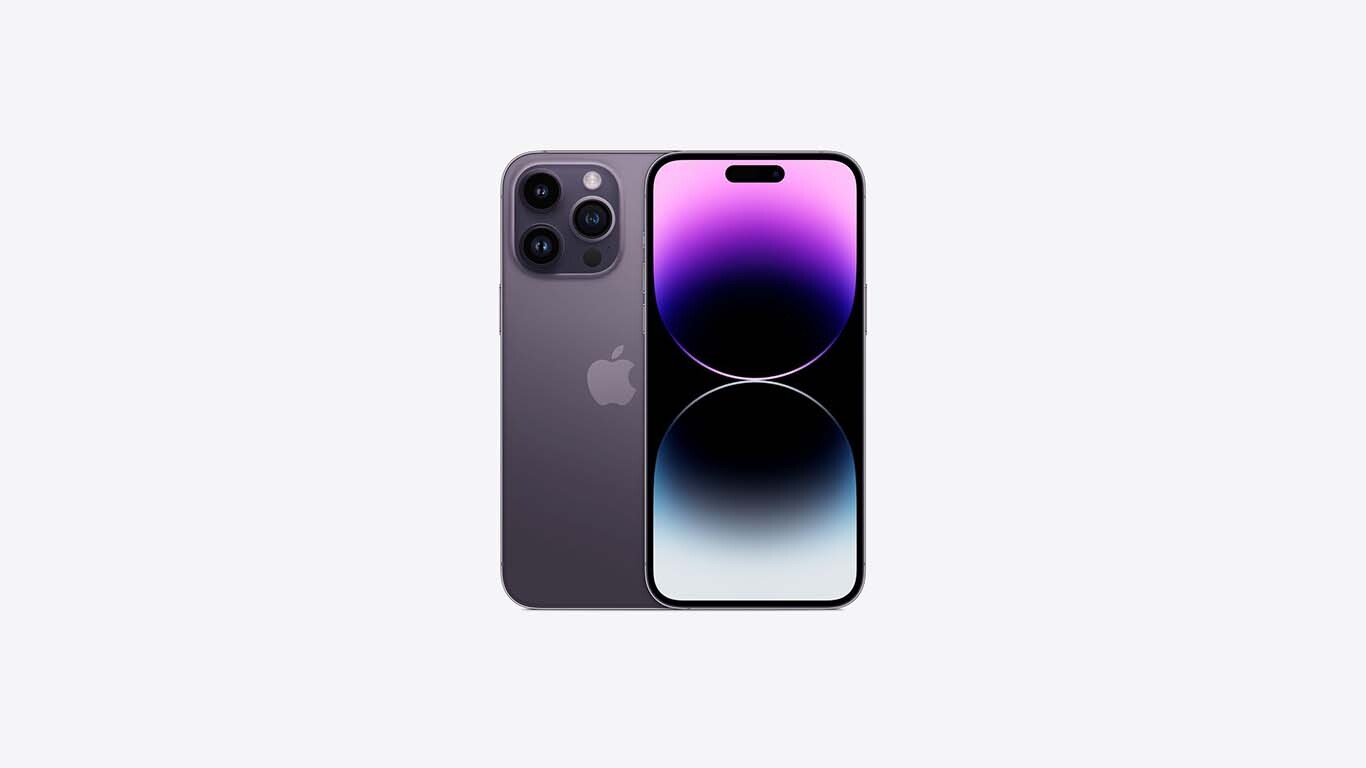
The priciest iPhone currently available in Nepal is the 14 Pro Max. It brings about some of the biggest updates to iPhones in recent memory. Apple’s “Dynamic Island” is a new pill-shaped cutout on the front of the phone. Even more intriguingly, alarms and notifications can be shown using the notch.
A 6.7-inch SuperRetina XDR display up front boasts an industry-leading 2000 nits of brightness. All of the standard bells and whistles are there in the screen, including a 120Hz refresh rate, P3 color gamut, and ceramic shield protection. What’s new this year is that Apple has made the Always-on Display (AOD) functionality available for the Pro models.Health-fitness,Betting Sports anadrol steriods fitness: the orthopedist, without injury training for 2 out of 3 skiers | sassarinews 24 hours – 61397
The A16 Bionic chip within the smartphone provides quick performance and increased energy efficiency. Apple has improved its cameras’ primary lens from 12MP to 48MP. A quad-pixel sensor is now supported by its 12MP ultra-wide camera, which enhances low-light performance. A 12MP 3X telephoto lens is included with these sensors.
iPhone 14 Pro Max Specifications:
Display: 6.7-inches Super Retina XDR OLED, 120Hz ProMotion refresh rate
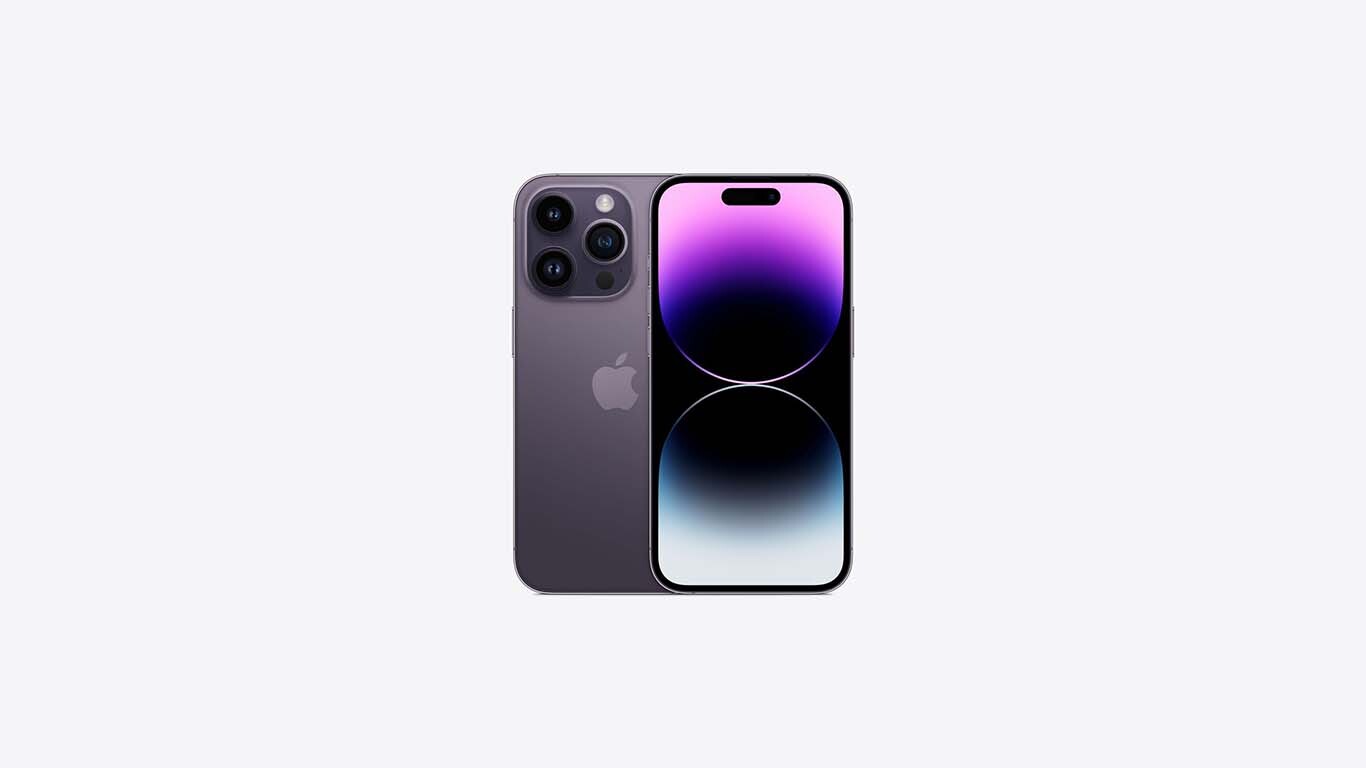
The iPhone 14 Pro is the best option if you want to make some financial savings while still getting all the glitzy features of the top-tier Pro Max. Its starting price in Nepal is Rs. 180,190, and its characteristics are virtually identical to those of the Pro Max. However, it features a smaller chassis. That is, despite having a 6.1-inch screen with the new “Dynamic Island” notch and a maximum brightness of 2000 nits, it still has these features.
Other elements, including the 48MP triple-camera arrangement on the back and the A16 Bionic processor, are unaltered. However, it has a smaller battery that, according to Apple, can last for 75 hours of audio listening.
iPhone 14 Pro Specifications:
Display: 6.1-inches Super Retina XDR OLED, 120Hz ProMotion refresh rate
Other features: Water and dust resistance (IP68), Stereo speakers
Battery: 3200mAh, 27W wired charging, 15W MagSafe / 7.5W Qi wireless charging (no power adapter provided)
iPhone 14 Pro Price in Nepal: Rs. 180,190 (128GB), Rs. 198,890 (256GB), Rs. 246,990 (512GB), Rs. 284,990 (1TB)
iPhone 14 Plus
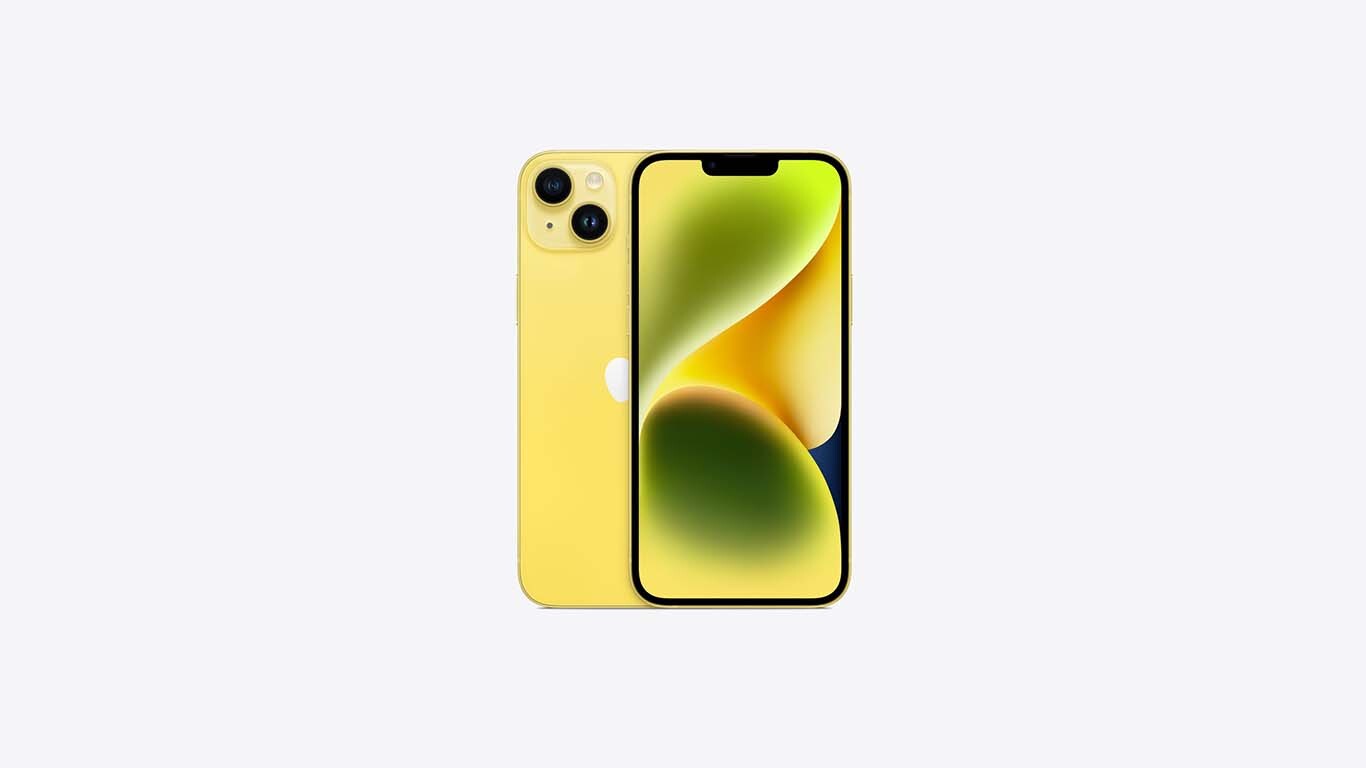
The “13 mini” was replaced by the iPhone 14 Plus, which is the only new model in this year’s portfolio. Being the first non-pro iPhone with a 6.7-inch screen, it sports a sizable display. The screen is 1200 nits bright and features a P3 color gamut. It still has the traditional bathtub-like notch, in contrast to the “Dynamic Island” notch on the Pro models.
Similar to the 14 Plus, Apple chose to ship the older A15 Bionic chip rather than the more recent A16 Bionic. It does, however, have a 5-core GPU as opposed to the 4-core GPU found on the 13-series vanilla and small iPhones. Therefore, the performance ought to be on par with the Pro model from the previous year.
The iPhone 14 Plus has two 12MP main and ultrawide lenses in its cameras. Another 12MP lens with TrueDepth for 3D facial recognition is on the front sensor.
Other features: Water and dust resistance (IP68), Stereo speakers
Battery: 4323mAh, 20W wired charging, 15W MagSafe / 7.5W Qi wireless charging (no power adapter provided)
iPhone 14 Plus Price in Nepal: Rs. 157,990 (128GB), Rs. 176,990 (256GB)
iPhone 14
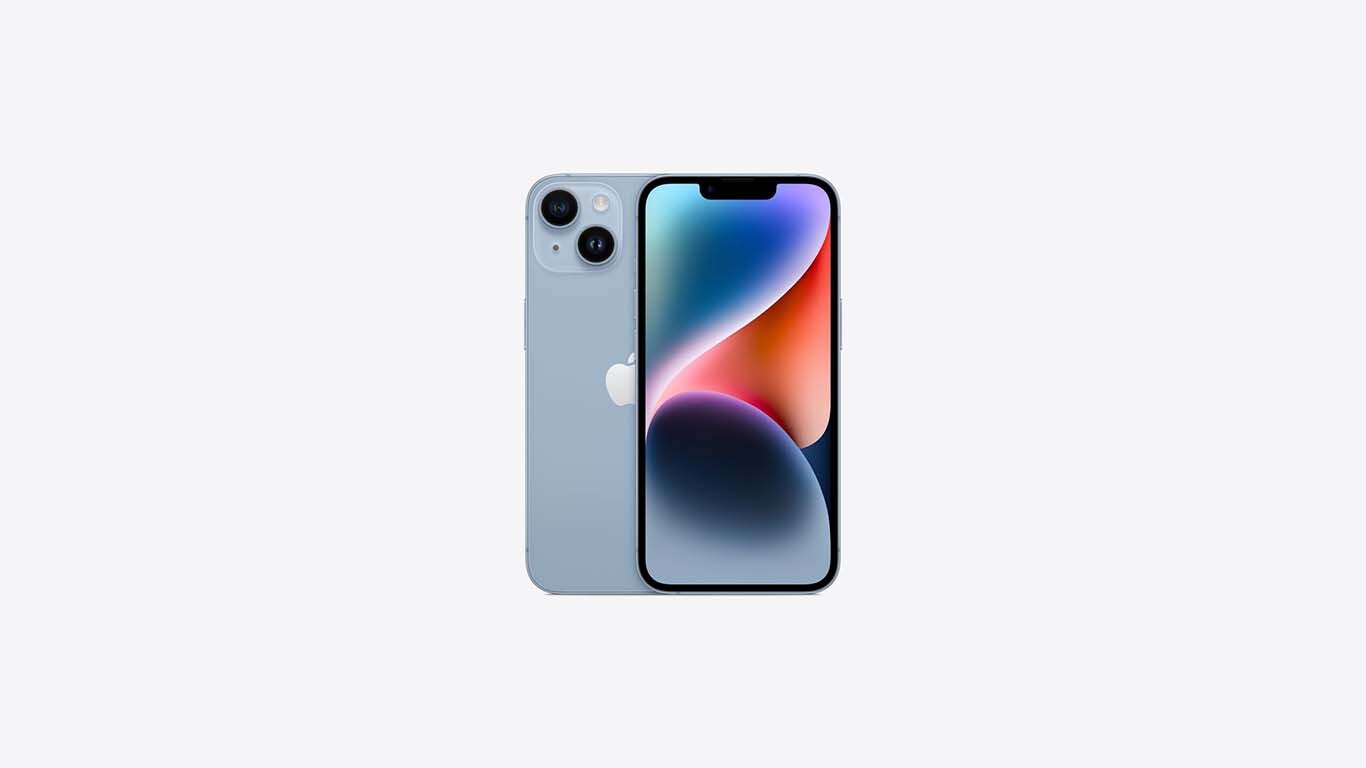
The majority of the functionality of the iPhone 14 and 14 Plus are the same on the smaller iPhone 14. It sports a 6.1-inch Super Retina XDR OLED screen with a 2532 x 1170 pixel resolution. The phone is equipped with an A15 Bionic CPU that runs 18% better than its predecessor and has a 5-core GPU.
It has 512 GB, 256 GB, and 128 GB of storage space.
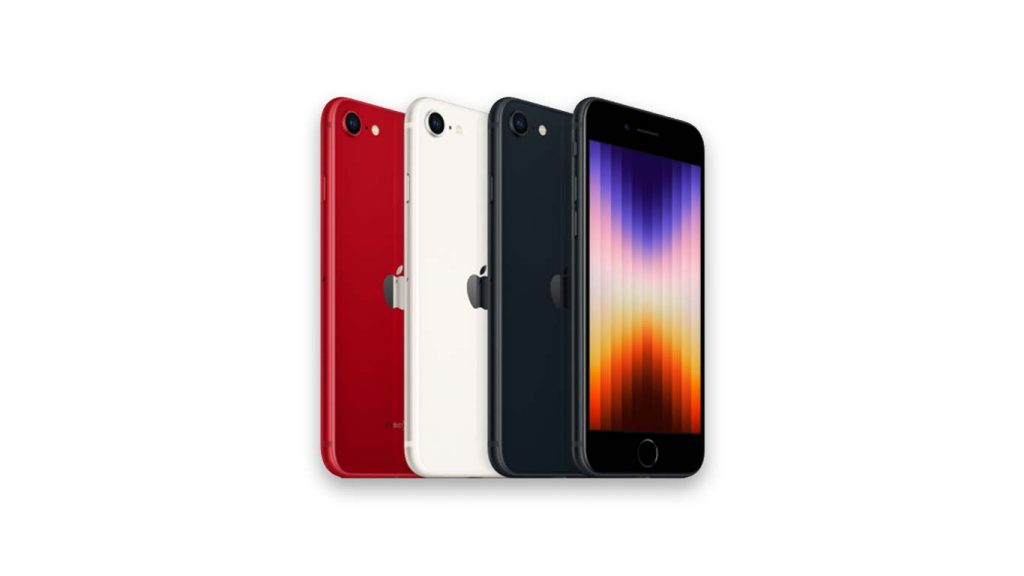
Beginning with the design, it looks like last year’s Special Edition iPhone. There are eyesore bezels on the top and bottom in which the latter holds the home button integrated with Touch ID support. Both front and back of the phone are made up of glass which is “the toughest glass on a smartphone” according to Apple. We are yet to know if it’s the “Ceramic Shield” but it is IP67 rated against water and dust resistance. There are three color options available: Black, White, and Red.
The new iPhone SE 2022 brings the A15 Bionic Chip which we saw earlier in the iPhone 13-series as well. It is a silicone chipset with a 6-core CPU that divides into two performance cores and four efficiency cores. Then, it couples with a 4-core graphics processor. To top it off, a 16-core Neural Engine is going on with 15.8 Trillion Operations Per Second (TOPS).
Connectivity: 5G (sub-6GHz), LTE Advanced with 2×2 MIMO and LAA, 802.11ax Wi-Fi 6 with 2×2 MIMO, Bluetooth 5.0, NFC, GPS with GLONASS, GLONASS, GALILEO, QZSS, and BEIDOU
Other features: Water and dust resistance (IP67)
Battery: Up to 15 hours video playback, 20W adapter, Qi wireless charging
Colors: Black, White, and Red
iPhone SE (2022) price in Nepal: Rs. 87,000 (128GB)
iPhone 11
The successor to iPhone XR, iPhone 11 starts around the price of $699. While it’s bigger brothers, the iPhone 11 Pro starts at $999 and the iPhone 11 Max at $1099.
Talking of battery, you’ll get stellar battery power in the Pro Max compared to iPhone 11 and the Pro. iPhone 11 Pro Max has a massive Li-Ion 3500mAh battery that will last 5 hours longer than iPhone XS Max.
– 12MP wide-angle f/1.8 primary camera, OIS, True Tone flash, 4K video recording at 60 fps, Slo‑mo 1080p at 240 fps – 12MP 120° Ultra-Wide f/2.4 camera, 2x optical zoom out; digital zoom up to 5x
Front Camera
12MP front camera with f/2.2 aperture, 1080p video recording, Retina Flash, 4K video recording at 60 fps, Slo‑mo 1080p at 120 fps
Security
TrueDepth camera for FaceID facial recognition
Connectivity
4G VoLTE, 802.11ax Wi‑Fi 6 with 2×2 MIMO, Bluetooth 5.0, NFC, GPS with GLONASS
Other features
Water and dust resistant (IP68), Stereo speakers
Battery
3110mAh battery; 1 hour more than iPhone XR, Qi wireless charging, Supports 18W fast charging (50% in 30 min), but no fast charger inside the box
iPhone 11 Price in Nepal
Rs. 76,990 (64GB) | Rs. 84,990 (128GB)
iPhone 12 Mini
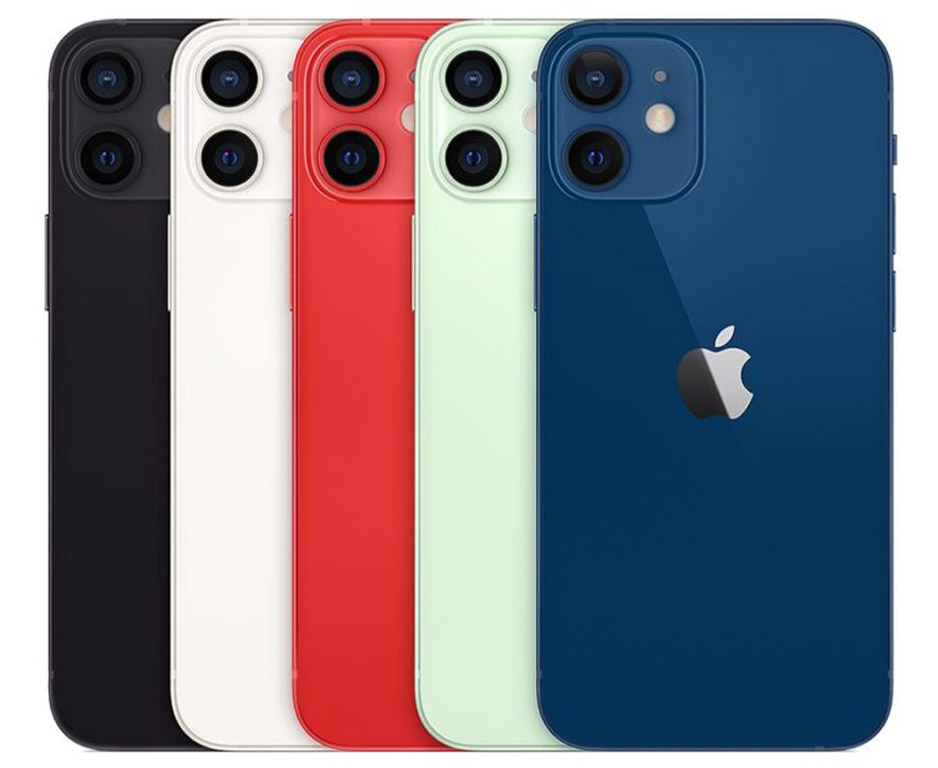
The designs of the iPhone 12 and iPhone 12 Mini kind of moved back to the boxier designs like the iPhone 4 and 5 designs. But the materials are different of course. It has smooth flat aluminum edges and a ceramic shield front and a glossy black. Whereas, iPhone Pro and Pro Max come with a ceramic shield front and textured matte glass back with stainless steeldesign. This makes the new iPhone 12 series tougher than any smartphone glass.
The new iPhone 12 series introduces MagSafe for faster wireless charging experiences. Apple’s new MagSafe brand gives access to a fast charging speed of 15W. The round wire coil accommodates magnets and maintains compatibility with the existing qi chargers up to 7.5 W. The iPhone cases will have magnets to snap the MagSafe accessories for fast charging.
iPhone 12 Mini Specifications
Display: 5.4” Super Retina XDR OLED display (2532 x 1170 at 460ppi); 2,000,000:1 contrast ratio, nits max brightness (typical/HDR), True Tone
Design: IP68 water and dust-resistant, Ceramic Shield Front, Glass Back, Aluminum Body
Weight: 133g
Dimensions: 131.5 x 64.2 x 7.4mm
Chipset: A14 Bionic Chip
RAM: 4GB
CPU: 6-core CPU
GPU: 4-core GPU
iOS software versions: iOS 14
Storage: 64GB/ 128GB/ 256GB
Dual Rear Camera: 12 MP (f/1.6 Wide with 26mm Focal Length and f/2.4 Ultra Wide with 13mm Focal Length)
Video: 4K at 24/30/60fps, 1080p at 30/60fps, and 720p at 30fps
Front Camera: 12 MP (f/2.2)
Video: 4K at 24/30/60fps, 1080p at 30/60fps
Network: 5G
Connectivity: Wi-Fi 6 (802.11 ax) with MIMO, Bluetooth 5.0
Battery: 15W MagSafe for Wireless Charging, Qi chargers up to 7.5 W
Colors: Black, Blue, Red, Green, and White
iPhone 12 Mini Price in Nepal: – Rs. 1,31,990 (256GB)
iPhone 12
iPhone 12 comes with an aluminum body, smaller notch, same A14 Bionic chip from the pros, surprisingly OLED panel this time, Dual camera, and 5G. Like Pros, the lower variant iPhone 12 comes in two sizes 6.1” and 5.4”.
There is a Six-core A14 Bionic 64-bit processor, 16-core Neural Engine chipset, and iOS 14.2 on the software front. The memory configurations are 64GB, 128GB, and 256GB. There is a TrueDepth camera for FaceID facial recognition.
iPhone 12 Specifications
Dimension
146.7 x 7.4 x 71.5mm | Weight: 164gm
Display
6.1-inch (2532×1170 pixels) OLED Super Retina XDR display, 460ppi
– 12MP wide-angle f/1.7 primary camera, 7-elements lens, OIS, True Tone flash with Slow Sync, 4K Dolby Vision video recording at 60 fps, – 12MP 120° Ultra-Wide f/2.4 camera, 7-elements lens
Front Camera
12MP front camera with f/2.2 aperture, 1080p video recording, Retina Flash, Dolby Vision HDR recording up to 30 fps, 4K video recording at 60 fps, Slo-mo 1080p at 120 fps
Security
TrueDepth camera for FaceID facial recognition
Connectivity
5G (sub-6GHz and mmWave), Gigabit LTE with 4×4 MIMO and LAA, 802.11ax Wi-Fi 6 with 2×2 MIMO, Bluetooth 5.0, NFC, GPS with GLONASS, GLONASS, Galileo, QZSS, and BEIDOU
Other features
Water and dust resistance (IP68), Stereo speakers
Color options
White, Black, Green, Blue, (PRODUCT)RED
Battery
2815mAh; 20W fast charging, 7.5W Qi Wireless Charging; 15W MagSafe Wireless Charger (No charger included in the box)
iPhone 12 and 12 Pro are 6.1 inches while the iPhone mini is 5.4 inches. Yet they all come with a 2532 x 1170 display with 460 pixels per inch. This improved display quality is designed for clarity and details of images and texts. Meanwhile, iPhone Pro Max has even cooler with the highest resolutions. It is 6.7 inches with 2778 x 1284 pixels at 458 pixels per inch.
The new iPhone 12 series introduces MagSafe for faster wireless charging experiences. Apple’s new MagSafe brand gives access to a fast charging speed of 15W. The round wire coil accommodates magnets and maintains compatibility with the existing qi chargers up to 7.5 W. The iPhone cases will have magnets to snap the MagSafe accessories for fast charging.
iPhone 12 Pro Specifications
Display: 6.1” Super Retina XDR OLED display (2532 x 1170 at 460ppi); 2,000,000:1 contrast ratio, nits max brightness (typical/HDR), True Tone
Design: IP68 water and dust-resistant, Stainless Steel Body, Ceramic Shield Front, Textured matte Glass Back, Aluminum Body
Weight: 189g
Dimensions: 146.7 x 71.5 x 7.4mm
Chipset: A14 Bionic Chip
RAM: 6GB
CPU: 6-core CPU
GPU: 4-core GPU
iOS software versions: iOS 14
Storage: 128GB/ 256GB/ 512GB
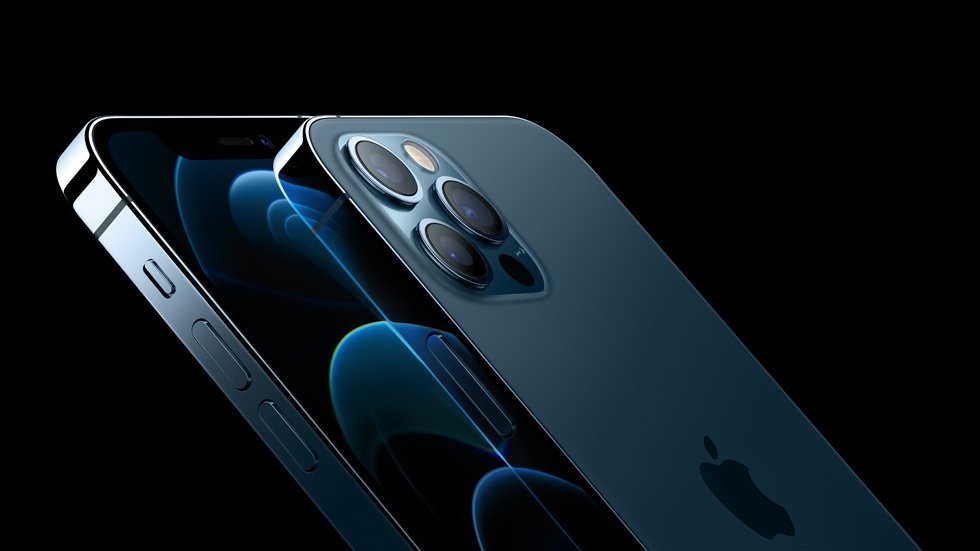
Triple Rear Camera:
12 MP (f/1.6 Wide with 26mm Focal Length + f/2.4 Ultra Wide with 13mm Focal Length + f/2.0 Telephoto with 52mm Focal Length)
Video: 4K at 24/30/60fps, 1080p at 30/60fps, 720p at 30fps
Front Camera: 12 MP (f/2.2)
Video: 4K at 24/30/60fps, 1080p at 30/60/120fps
Network: 5G
Connectivity: Wi-Fi 6 (802.11 ax) with MIMO, Bluetooth 5.0
Battery: 15W MagSafe for Wireless Charging, Qi chargers up to 7.5 W
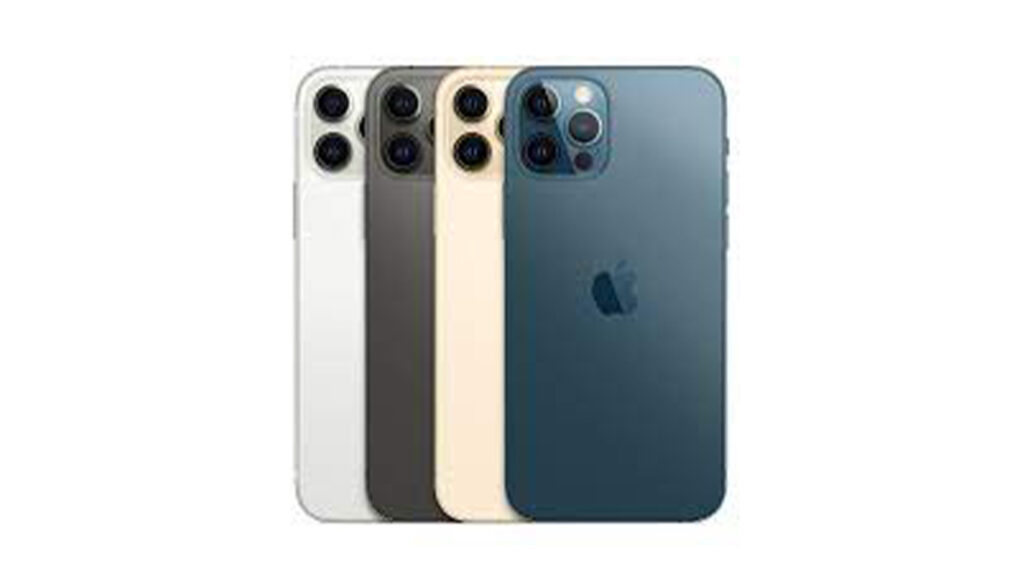
Colors: Gold, Silver, Graphite, and Pacific Blue
iPhone 12 Pro price in Nepal: – Rs. 1,56,100 (128GB) | Rs. 1,72,700 (256GB)
iPhone 12 Pro Max
iPhone Pro Max has been created with the best camera technologies supported by the A14 Bionic chip. The new sensor in the Telephoto lens is 47% larger with 1.7micron pixels and provides about 87% improvement in low-light.
The new iPhone 12 series introduces MagSafe for faster wireless charging experiences. Apple’s new MagSafe brand gives access to a fast charging speed of 15W. The round wire coil accommodates magnets and maintains compatibility with the existing qi chargers up to 7.5 W. The iPhone cases will have magnets to snap the MagSafe accessories for fast charging.
iPhone 12 Pro Max Specifications
Display: 6.7” Super Retina XDR OLED display (2778 x 1284 at 458ppi); 2,000,000:1 contrast ratio, nits max brightness (typical/HDR), True Tone
Design: IP68 water and dust-resistant, Ceramic Shield Front, Glass Back, Aluminum Body
Weight: 228g
Dimensions: 160.8 x 78.1 x 7.4mm
Chipset: A14 Bionic Chip
RAM: 6GB
CPU: 6-core CPU
GPU: 4-core GPU
iOS software versions: iOS 14
Storage: 128GB/ 256GB/ 512GB
Triple Rear Camera:
12 MP (f/1.6 Wide with 26mm Focal Length + f/2.4 Ultra Wide with 13mm Focal Length + f/2.0 Telephoto with 65mm Focal Length)
Video: 4K at 24/30/60fps, 1080p at 30/60fps, 720p at 30fps
Front Camera: 12 MP (f/2.2)
Video: 4K at 24/30/60fps, 1080p at 30/60/120fps
Network: 5G
Connectivity: Wi-Fi 6 (802.11 ax) with MIMO, Bluetooth 5.0
Battery: 15W MagSafe for Wireless Charging, Qi chargers up to 7.5 W
Colors: Gold, Silver, Graphite, and Pacific Blue
iPhone 12 Pro Max price in Nepal: – Rs. 1,71,000 (128GB) | Rs. 1,87,600 (256GB)
iPhone 13 Mini
iPhone 13 Mini flaunts a 5.4-inch Super Retina XDR OLED display with HDR10 contents and Dolby Vision which boasts 800nits of typical brightness and 1200nits of peak brightness. It has a screen-to-body ratio of 85.1%. The pixel capacity measures 1080×2340 while the aspect ratio and PPI density are 19.5:9 and 476 respectively. The display is protected by Scratch-resistant ceramic glass with an oleophobic coating. Further, it has a Wide color gamut and sports True-tone. The handset measures 131.5×64.2×7.7mm in dimension while the weight remains 141 grams. Both front and back panels are built from Corning Gorilla Glass which are finally embedded in an aluminum frame. The body can resist up to 6m dust/water for 30 minutes since it is IP68 certified for the same purpose. You can choose from five different color options for the model – Starlight, Midnight, Blue, Pink, and Red.
Moving on to optics, there is a dual-camera setup lying diagonally inside the rectangular module at the rear panel. The panel also houses a Dual-LED dual-tone flash for better low-light pictures. The camera sensors here are relatively bigger than that of the iPhone 12 series. It has a 12MP primary sensor of f/1.6 aperture and 1.7 microns pixel capacity. It supports dual pixel PDAF and sensor-shift stabilization. Accompanying this is another 12MP ultrawide lens with an f/2.4 aperture and a 120-degrees field of view. Moreover, they can click HDR and panorama pictures with ease.
iPhone 13 flaunts a 6.1-inch Super Retina XDR OLED display with HDR10 contents and Dolby Vision which boasts 800nits of typical brightness and 1200nits of peak brightness. It has a screen-to-body ratio of 86%. The pixel capacity measures 1170×2532 while the aspect ratio and PPI density are 19.5:9 and 460 respectively. The display is protected by Scratch-resistant ceramic glass with an oleophobic coating. Further, it has a Wide color gamut and sports True-tone. The handset measures 146.7×71.5×7.7mm in dimension while the weight remains 174 grams. Both front and back panels are built from Corning Gorilla Glass which are finally embedded in an aluminum frame. The body can resist up to 6m dust/water for 30 minutes since it is IP68 certified for the same purpose. You can choose from five different color options for the model – Starlight, Midnight, Blue, Pink, and Red.
Moving on to optics, there is a dual-camera setup lying diagonally inside the rectangular module at the rear panel. The panel also houses a Dual-LED dual-tone flash for better low-light pictures. The camera sensors here are relatively bigger than that of the iPhone 12 series. It has a 12MP primary sensor of f/1.6 aperture and 1.7 microns pixel capacity. It supports dual pixel PDAF and sensor-shift stabilization. Accompanying this is another 12MP ultrawide lens with an f/2.4 aperture and a 120-degrees field of view. Moreover, they can click HDR and panorama pictures with ease.
iPhone 13 Pro flaunts a 6.1-inch Super Retina XDR OLED display with HDR10 contents and Dolby Vision which boasts 1000nits of typical brightness and 1200nits of peak brightness. It has a high refresh rate of 120Hz which lacks on the vanilla 13. The pixel capacity measures 1170×2532 while the screen-to-body ratio, aspect ratio, and PPI density are 86%, 19.5:9, and 460 respectively. The display is protected by Scratch-resistant ceramic glass with an oleophobic coating.
Further, it has a Wide color gamut and sports True-tone. The handset measures 146.7×71.5×7.7mm in dimension while the weight remains 204 grams. Both front and back panels are built from Corning Gorilla Glass which are finally embedded in a stainless-steel frame. The body can resist up to 6m dust/water for 30 minutes since it is IP68 certified for the same purpose. You can choose from five different color options for the model – Graphite, Gold, Silver, and Sierra Blue.
Moving on to optics, there is a quad-camera setup lying inside the rectangular module at the rear panel. The panel also houses a Dual-LED dual-tone flash for better low-light pictures. The camera sensors here are relatively bigger than that of the iPhone 12 series. It has a 12MP primary sensor of f/1.6 aperture and 1.7 microns pixel capacity. It supports dual pixel PDAF and sensor-shift stabilization. There is another 12MP telephoto lens of f/2.8 aperture. It also sports PDAF and Optical Image Stabilization (OIS) with 3x optical zoom.
iPhone 13 Pro Max flaunts a 6.7-inch Super Retina XDR OLED display with HDR10 contents and Dolby Vision which boasts 1000nits of typical brightness and 1200nits of peak brightness. It has a high refresh rate of 120Hz which lacks on the vanilla 13. The pixel capacity measures 1284×2778 while the screen-to-body ratio, aspect ratio, and PPI density are 87.4%, 19.5:9, and 458 respectively. The display is protected by Scratch-resistant ceramic glass with an oleophobic coating. Further, it has a Wide color gamut and sports True-tone.
The handset measures 160.8×78.5×7.7mm in dimension while the weight remains 240 grams. Both front and back panels are built from Corning Gorilla Glass which are finally embedded in a stainless-steel frame. The body can resist up to 6m dust/water for 30 minutes since it is IP68 certified for the same purpose. You can choose from five different color options for the model – Graphite, Gold, Silver, and Sierra Blue.
Moving on to optics, there is a quad-camera setup lying inside the rectangular module at the rear panel. The panel also houses a Dual-LED dual-tone flash for better low-light pictures. The camera sensors here are relatively bigger than that of the iPhone 12 series. It has a 12MP primary sensor of f/1.6 aperture and 1.7 microns pixel capacity. It supports dual pixel PDAF and sensor-shift stabilization. There is another 12MP telephoto lens of f/2.8 aperture. It also sports PDAF and Optical Image Stabilization (OIS) with 3x optical zoom.
iPhones price in Nepal is very aggressive considering the price rate on the global market. These are all the iPhones that are available in the Nepali market now. You can buy them at authorized retail stores across the country.
In Nepal, Huawei is a very well-known and active smartphone brand that was founded in 2014. Since then, the firm has introduced various cellphones in the nation and has a strong focus on selling its products through brick-and-mortar stores. As a result of these sporadic promotions and special offers, Huawei mobile phone prices in Nepal are always changing. All of the most recent Huawei smartphones in Nepal that are currently on the market in 2020 are covered in this article.
In terms of sales volume, Huawei was the second-largest smartphone brand in Nepal in 2019. However, as a result of the Trump Administration included the corporation on the “Entity List.” After that, Huawei’s popularity in markets outside of China significantly decreased. Huawei no longer holds more than 5% of the market share in Nepal as a result of the trade embargo.
Following the US embargo, Huawei is now concentrating on its own HMS, a competitor to Google’s GMS. The Chinese behemoth has had a hard time convincing app developers and regular customers to join its ecosystem of products because the embargo effectively prevents the company from adding any US-owned product into its smartphones. In response to Android, Huawei also released its own operating system, called Harmony. However, as of right now, that is only applicable to Smart TVs, since the company freely acknowledges that Harmony OS is just not yet ready for the market. As a result, most Huawei phones introduced in 2020 lack Google programs like Gmail, YouTube, etc.
The least expensive phone on this list is the Huawei Y5p. It has a 5.45-inch TFT LCD panel with a 1440 x 720 resolution. Not to mention the screen’s customary bezels. The 5MP selfie camera is housed in it. The Helio P22 chipset powers the gadget. It has 32GB of internal storage and 2GB of RAM.
Huawei
On the rear of the gadget, there is a single camera configuration with an 8MP camera. With an LED flash, it is housed inside a square camera bump. The gadget has a respectable 3020mAh battery. Since GMS is not supported, Huawei Mobile Services are featured.
Huawei Y5p Specifications:
Body: 146.5 x 70.94 x 8.35 inches; 144 gm
Display: 5.45-inches TFT LCD panel
Resolution: HD+ (1440 x 720 pixels); 18:9 aspect ratio
Chipset: MediaTek MT6762R Helio P22; 12nm Mobile Platform
GPU:IMG PowerVR GE8320
RAM:2GB
Storage:32GB (expandable up to 512GB)
Software & UI: Android 10 (Pie) with EMUI 10.1 on top
Rear Camera: – 8 MP primary shooter – Single LED flash
The Y6s boasts a large 6.09-inch HD+ IPS LCD display, which provides clear and vibrant visuals. It runs on a MediaTek MT676 Helio P35 chipset, paired with 3GB of RAM and 64GB of storage, which can be expanded up to 512GB. The phone operates on Android 9.0 with EMUI 9.1 on top, offering a user-friendly interface.
Huawei
It features a 13MP rear camera with an f/1.8 aperture and LED flash, which captures sharp and detailed photos, while the 8MP front camera with LED flash captures stunning selfies. The phone has a rear-mounted fingerprint sensor, accelerometer, gravity, and proximity sensors, providing optimal security and convenience. With a 3,020 mAh battery, the phone can last for a full day of usage. At a price of Rs. 16,790, the phone offers great value for its features and capabilities.
Huawei Y6s Specifications:
Display: 6.09 inches HD+ IPS LCD
Chipset: MediaTek MT676 Helio P35
RAM: 3GB
ROM: 64GB; expandable up to 512GB
OS: Android 9.0 with EMUI 9.1 on top
Rear camera: 13MP, f/1.8 with LED flash
Front Camera: 8MP, f/2.0 with LED flash
Sensors: Fingerprint (rear-mounted), Accelerometer, Gravity, and proximity
Battery: 3,020 mAh
Price: Rs. 16,790
3. Huawei Y6p
The 6.3-inch IPS LCD display on the Huawei Y6p has an HD+ resolution of 720 x 1600 pixels. The 8MP selfie camera is housed in the dewdrop notch. The Helio P22 chipset powers the gadget. On the Y6p, users receive 64GB of internal storage and 4GB of RAM. The device comes with EMUI 10.1, an Android 10 based UI. Unfortunately, Google Mobile Services are not supported.
Huawei
The triple camera setup on the rear panel consists of a 13MP primary camera paired with a 5MP ultra-wide-angle camera and a 2MP depths sensor. There is a 5,00mAh with support for 10W charging. However, the port used here is a micro USB port. Other notable features of the device include wireless FM and Party Mode.
Huawei Y6p Specifications:
Body:1 x 74.1 x 9 mm, 185g
Display:3 inches IPS LCD panel
Resolution:HD+ (720 x 1600 pixels), 20:9 aspect ratio
Chipset: MediaTek Helio P22; 12nm
GPU:IMG PowerVR GE8320
RAM:4GB
Storage:64GB eMMC 5.1
Software & UI: Android 10 (Pie) with EMUI 10.1 on top
The midrange Huawei phone for 2020, the Y7p, is regarded as the Y7 Pro’s replacement. The Y7p, which costs little around Rs. 25,000 in Nepal, is overpriced and underpowered compared to the features it delivers. You get an HD+ IPS display as opposed to FullHD+ IPS and even an AMOLED panel from competitors.
Huawei
The performance is also merely ordinary. It has a dated Kirin 710F CPU, a meager 4GB of RAM, and 64GB of internal storage. There is an 8MP front camera in addition to a triple 48MP back camera. Although it has a sizable 4000mAh battery, it only supports micro-USB charging and does not offer any type of fast charging. Therefore, you should pass on the Huawei Y7P if you’re considering purchasing a nice mobile phone in Nepal for less than Rs. 25,000.
Huawei Y7p Specifications:
Display: 6.39-inches IPS LCD panel
Resolution: HD+ (1560 x 720 pixels); 19.5:9 aspect ratio
Chipset: HiSilicon Kirin 710F; 12nm Mobile Platform
Connectivity: WiFi 802.11 a/b/g/n/ac, Bluetooth 5.0, AGPS/GPS/GLONASS, MicroUSB, 3.5mm headphone jack
Battery: 4000 mAh battery with 10W charging
Colors: Midnight Black, Aurora Blue
Price: Rs. 23,990
5. Huawei Y8p
The newest mid-range product from Huawei is the Y8p. It has a 6.3-inch OLED display with a 2400 x 1080 pixel resolution. The 16MP front camera is protected by the dewdrop notch. Huawei claims a 90.17% screen-to-body ratio. The fingerprint reader is similarly located below the display. The gadget has a Kirin 710F processor, which we last saw in the Honor 9X. (International Edition). The smartphone has 128GB of internal storage and 4GB of RAM.
Huawei
The 48MP primary camera on the back of the Y8p boasts a SuperSpectrum sensor with an aperture of f/1.87. It is backed by a 2MP depth sensor and an 8MP ultra-wide angle camera. The device supports 10W charging and features a 4,00 mAH battery. The firm has replaced Google Mobile Services with Huawei Mobile Services, hence the phone does not support Google Mobile Services.
Huawei Y8p Specifications:
Display: 6.3-inches Full-HD+ OLED panel
Chipset: HiSilicon Kirin 710F; 12nm Mobile Platform
Connectivity: Wi-Fi 802.11 a/b/g/n/ac (2.4 GHz / 5GHz), Bluetooth 5.0, AGPS/GPS/GLONASS/BeiDou, USB Type-C, 3.5mm headphone jack
Battery: 4000 mAh battery with 10W Charging
Colors: Midnight Black, Breathing Crystal
Price in Nepal: 26,990
6. Huawei Y9s
The Huawei Y9s is the Huawei Y9 Prime 2019’s replacement. The Y9s has a premium appearance and feel when compared to its predecessor. Due to its pop-up selfie camera and slimmer bezels, it has a full view display. The handset is powered by a Kirin 710F processor and 6GB of RAM. Although the phone comes with a sizable 4000mAh battery, quick charging is not possible.
Huawei
Additionally, the 48MP triple camera configuration on the Huawei Y9s is an improvement over the Y9 Prime. You receive a 16MP selfie camera. Similar to that, you also get a side-mounted fingerprint sensor and a sleek gradient design.
Similar to the Y9 Prime, the Y9s is a mixed bag. The Y9s appears to be little pricey given the cut-throat competition in Nepal’s mid-range category given the features it delivers.
Front Camera: 16MP, f/2.2 aperture; motorized pop-up
Security: Side-mounted Fingerprint-Scanner
Audio: 3.5mm headphone jack
Connectivity: Hybrid Dual Sim (Nano-SIM, dual stand-by), MicroSD card, WiFi 802.11 b/g/n, Bluetooth 4.2, GPS/AGPS/GLONASS/BDS, USB Type-C
Battery: 4000 mAh with 10W charging
Colors: Midnight Black, Breathing Crystal
Price: Rs. 33,900
7. Huawei P40 Pro
In Nepal, Huawei’s most recent smartphone is the P40 Pro. The Chinese tech giant was added to an entity list by the US government following the US ban due to a threat to national security. One of the newest flagships with top-tier specs is the P40 Pro. It has a large 4200mAh battery, a 6.5-inch AMOLED screen, and a 7nm Kirin 990 CPU.
Huawei
With its 50MP Quad camera configuration, it also ranks among the best in the DXoMark smartphone camera ratings. Google services like YouTube, Gmail, and Maps cannot be used, despite the fact that it runs on Android 10 with EMUI. Consequently, it makes very little sense to purchase a P40 Pro in Nepal, especially at the top pricing.


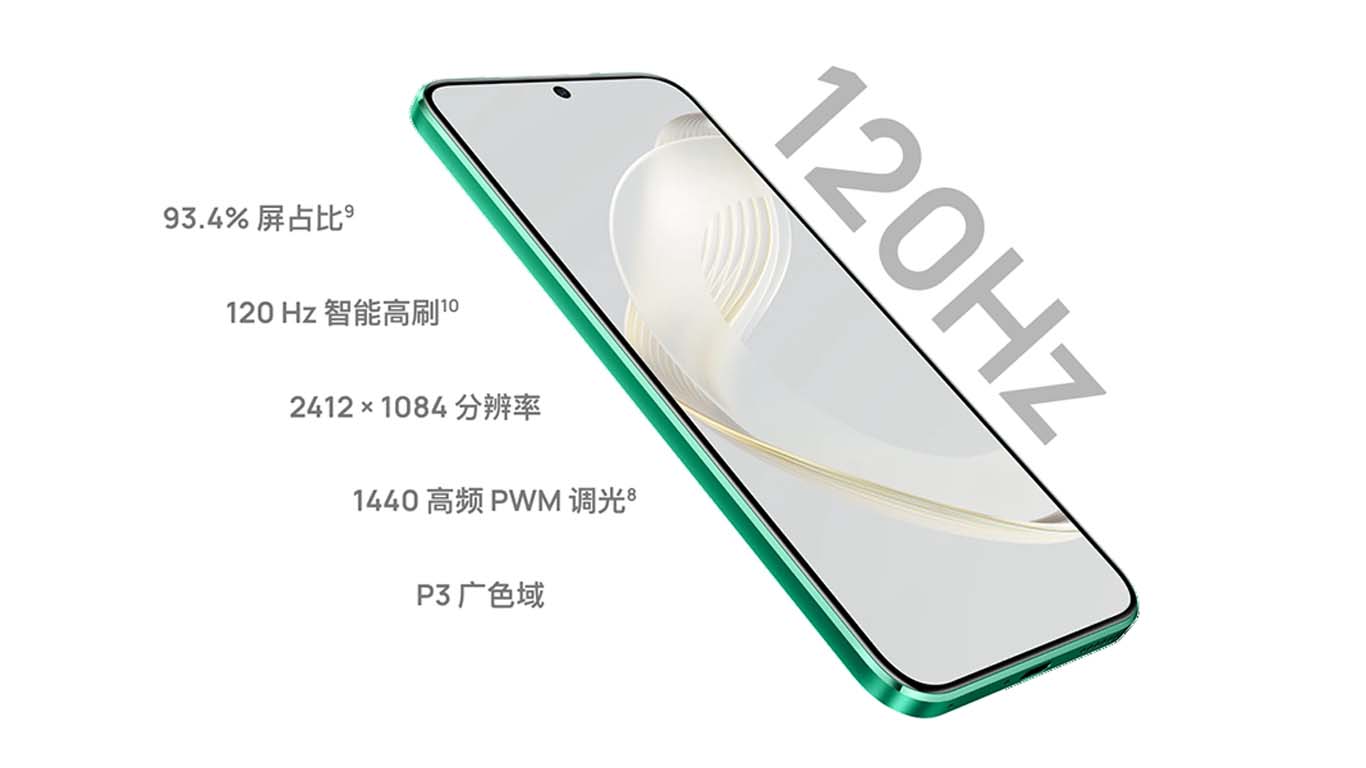
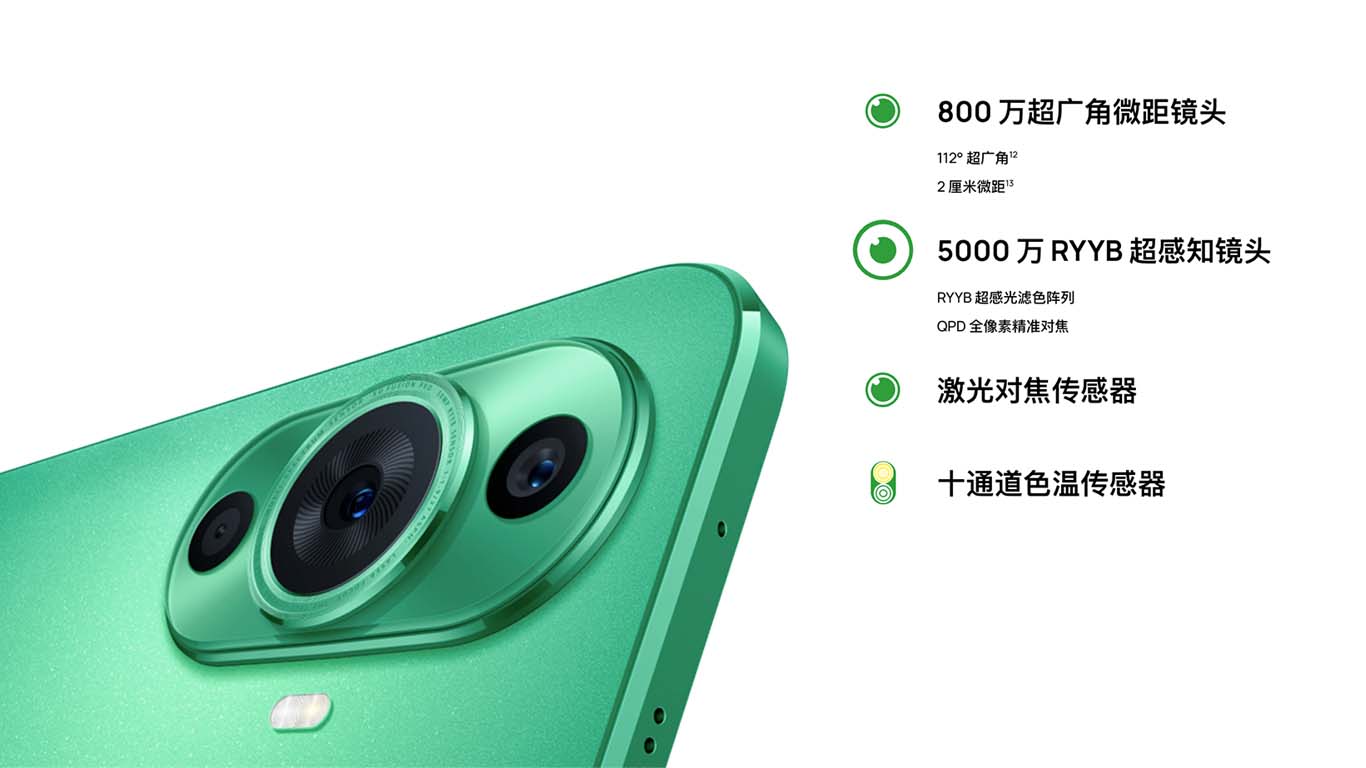
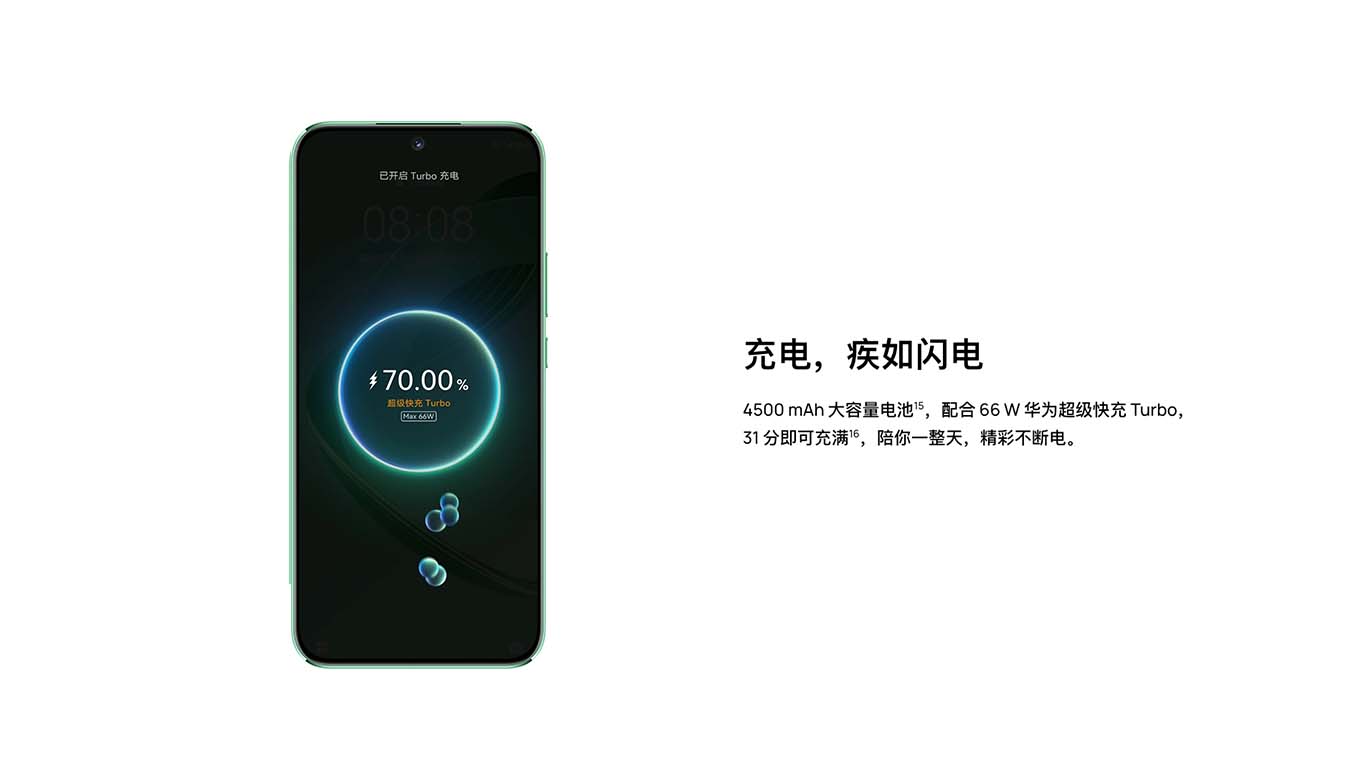
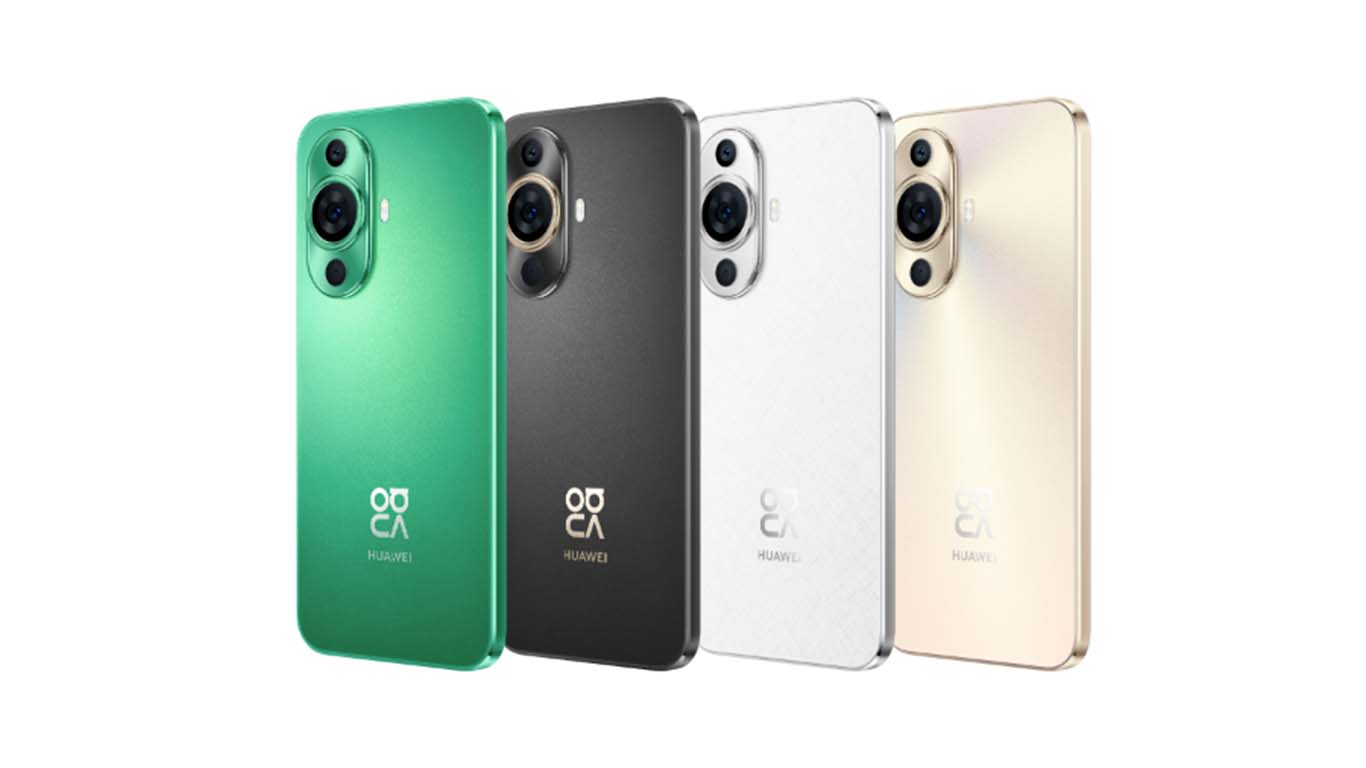
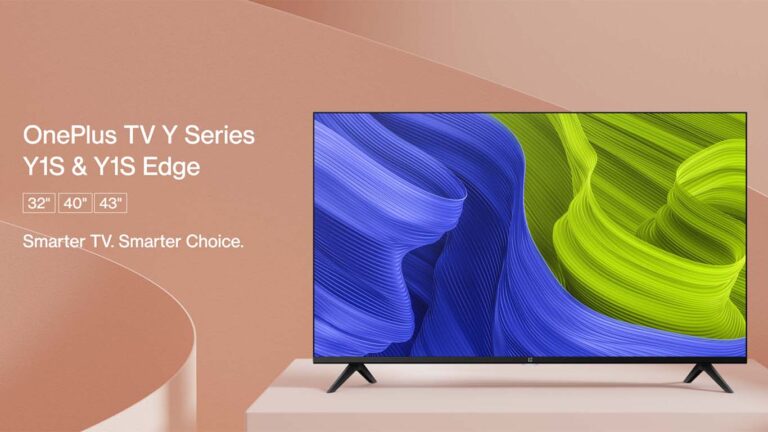
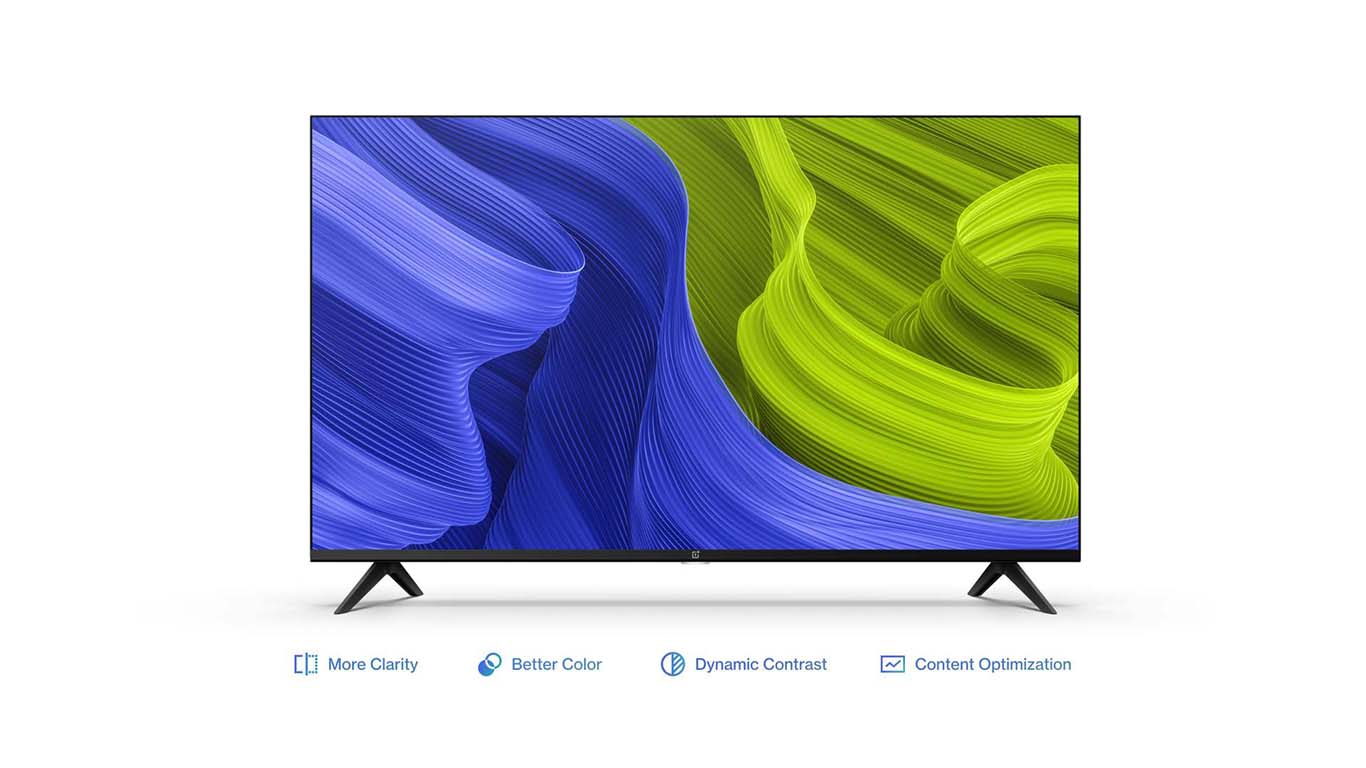
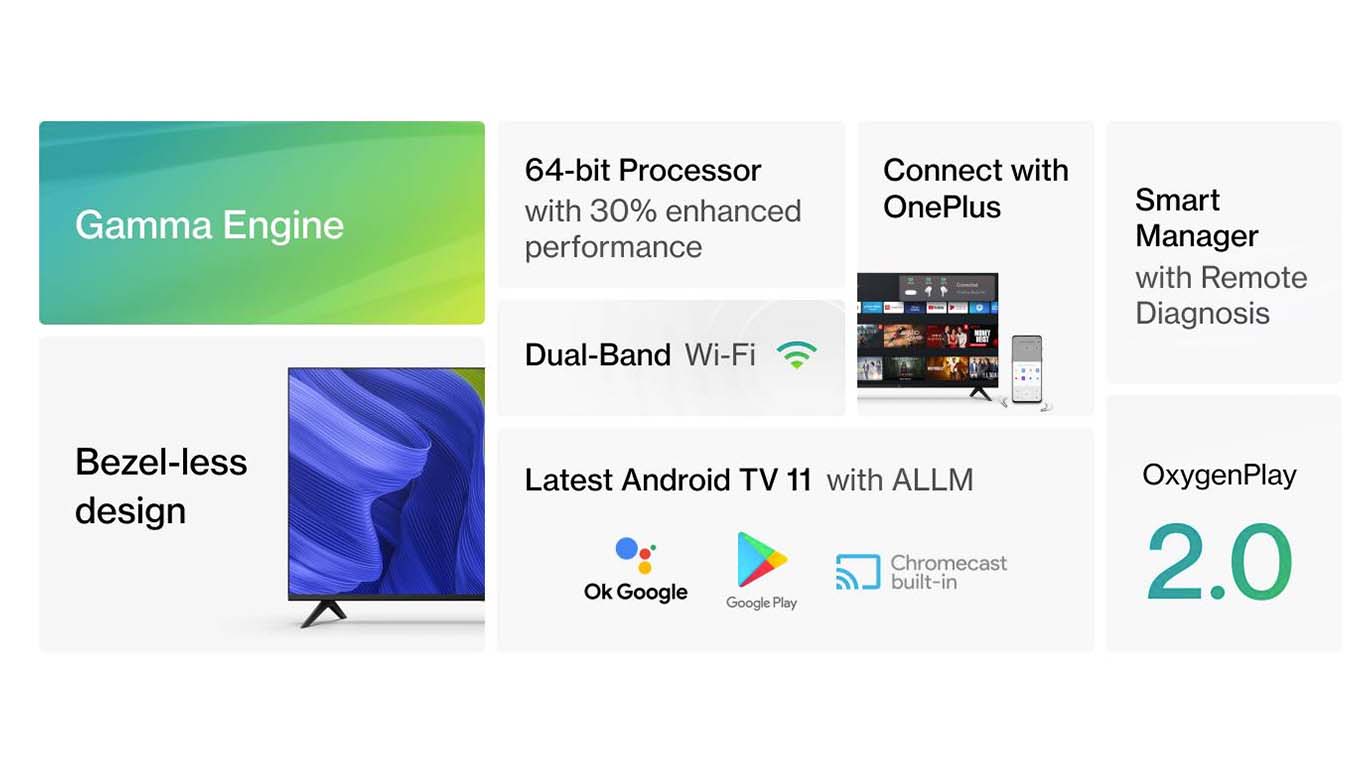
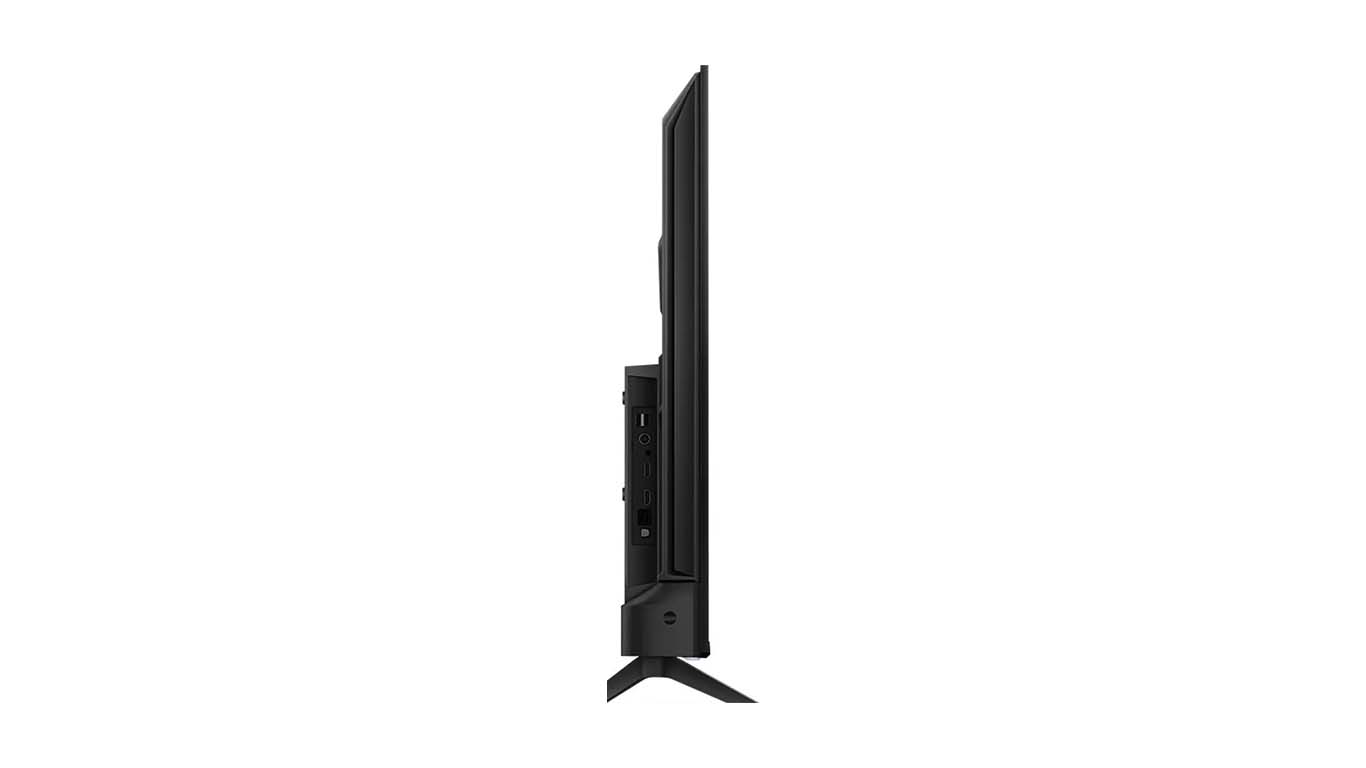
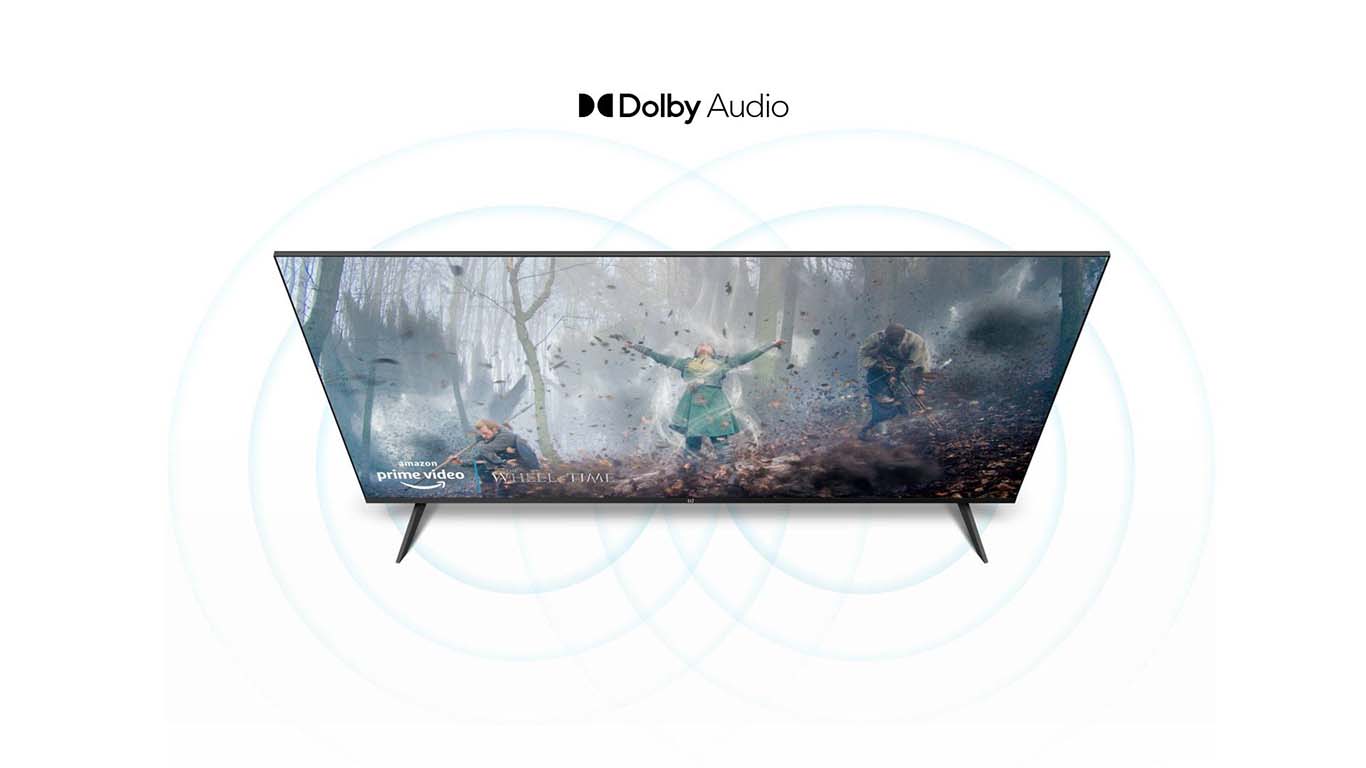
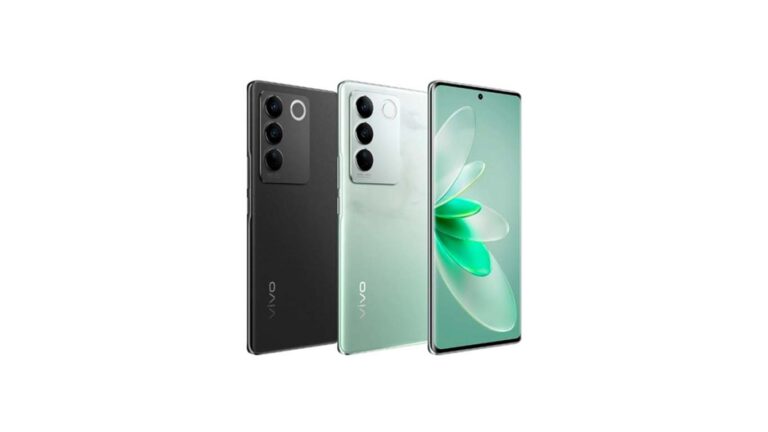
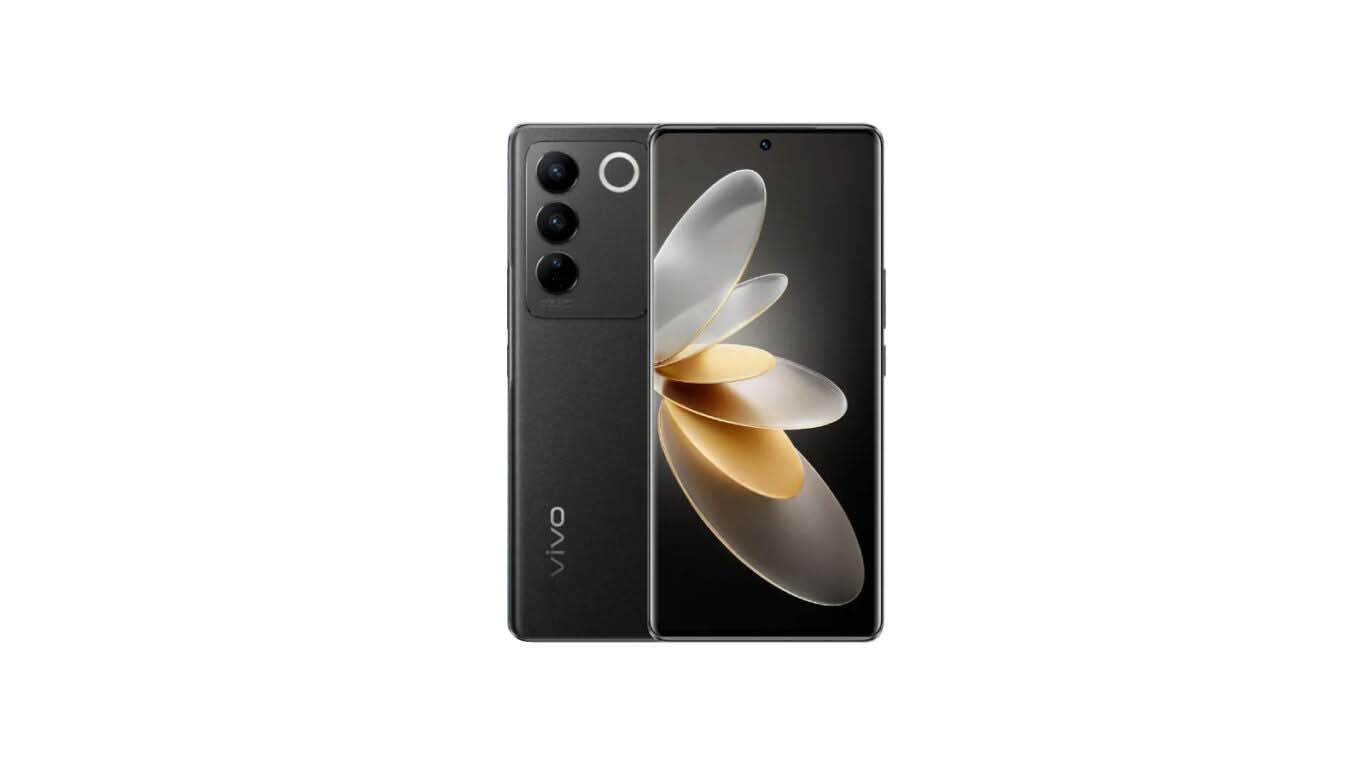
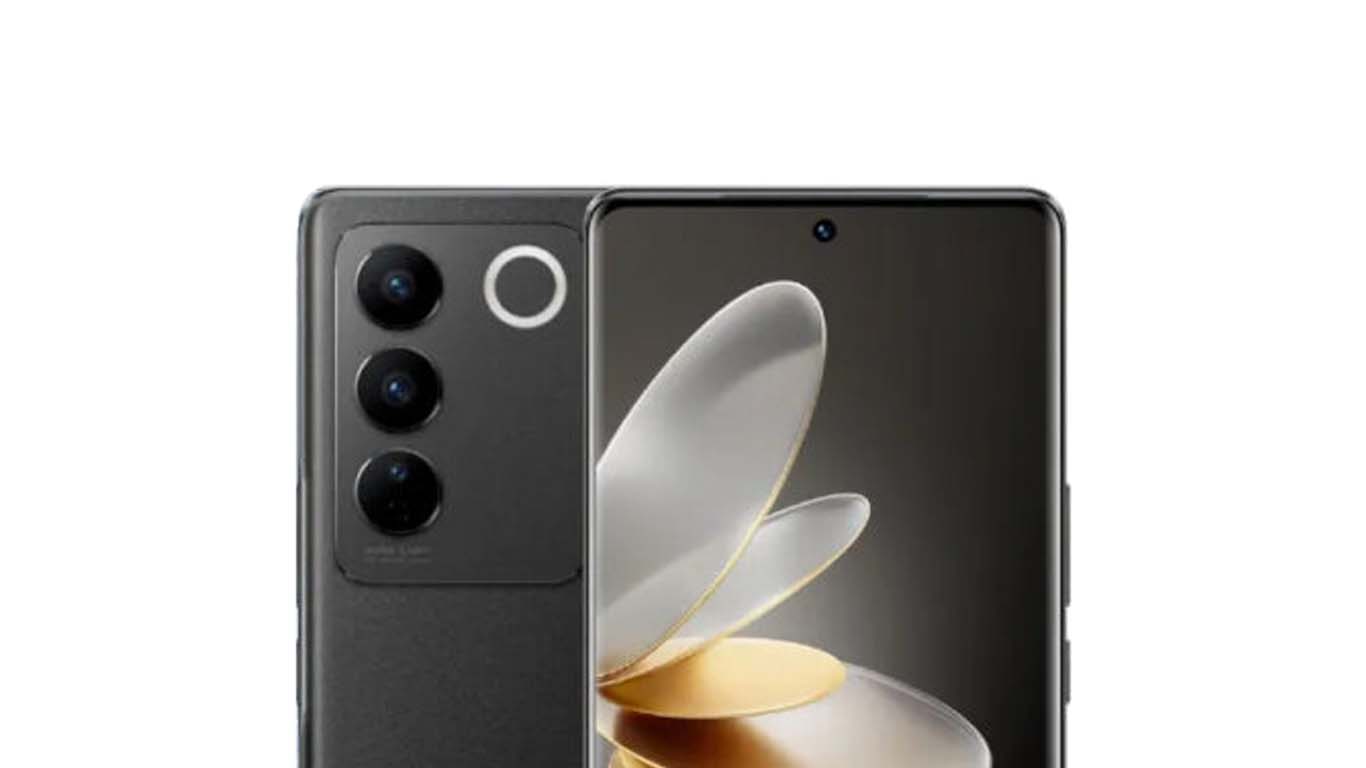





![Motorola Mobile Price in Nepal-2023 [Updated]](https://youtechnepal.com/wp-content/uploads/2023/04/Motorola-Mobile-Price-in-Nepal-768x432.jpg "Motorola Mobile Price in Nepal-2023 [Updated]")
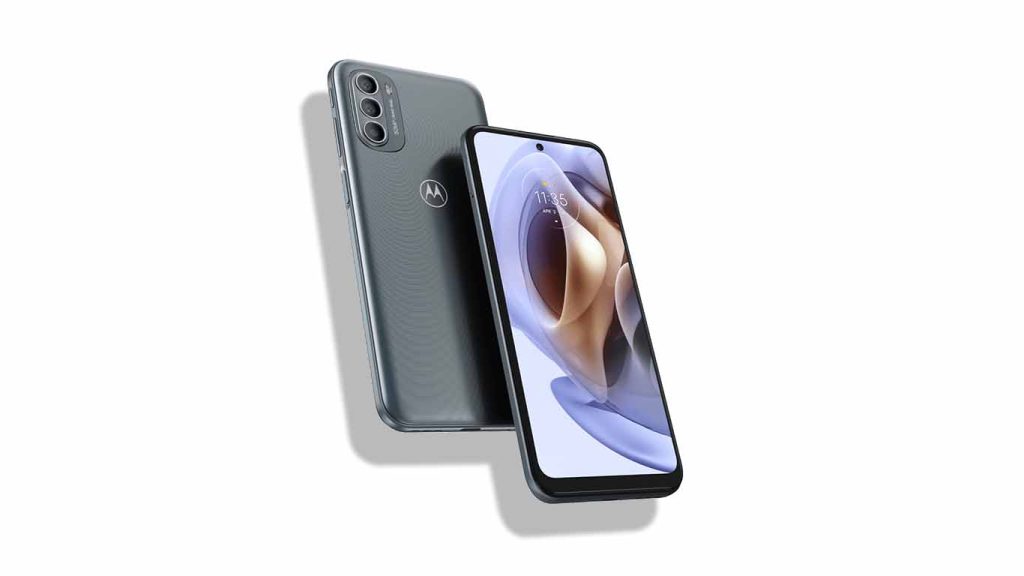
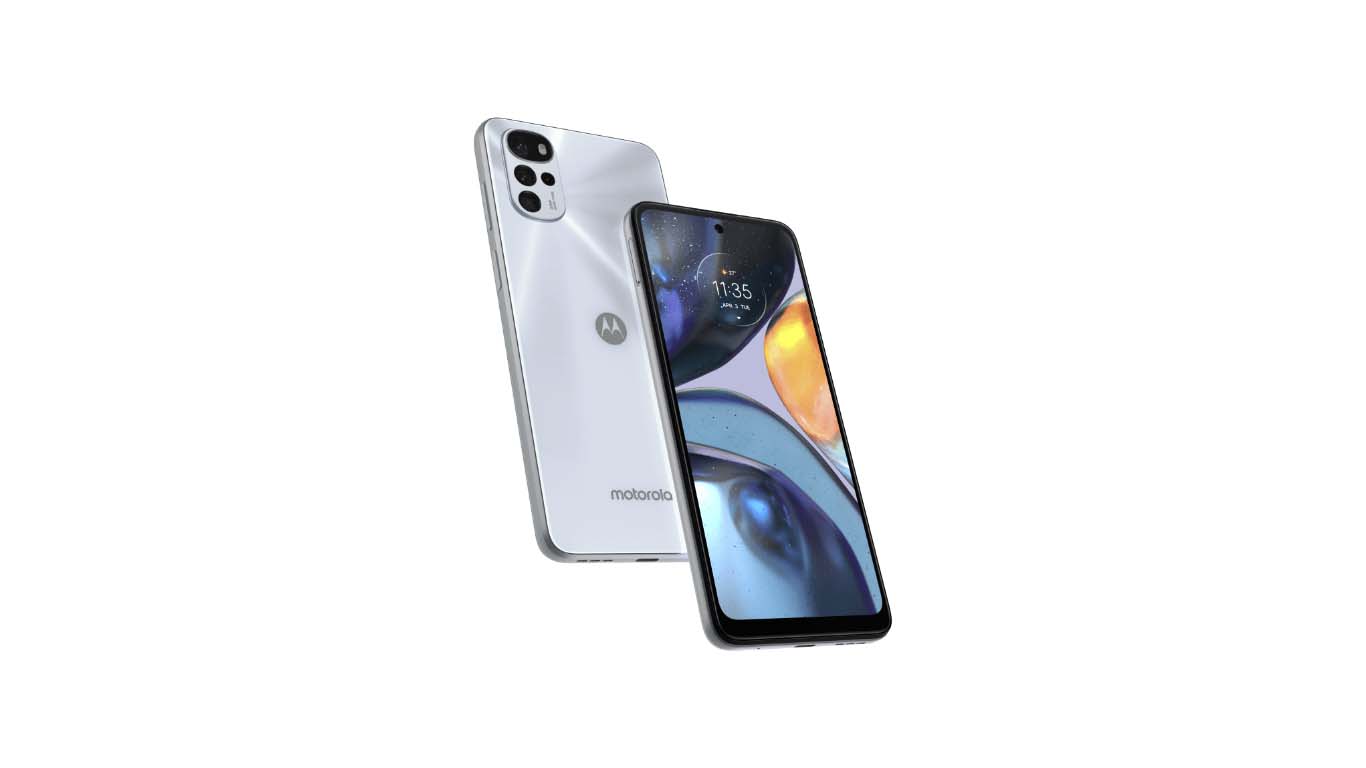
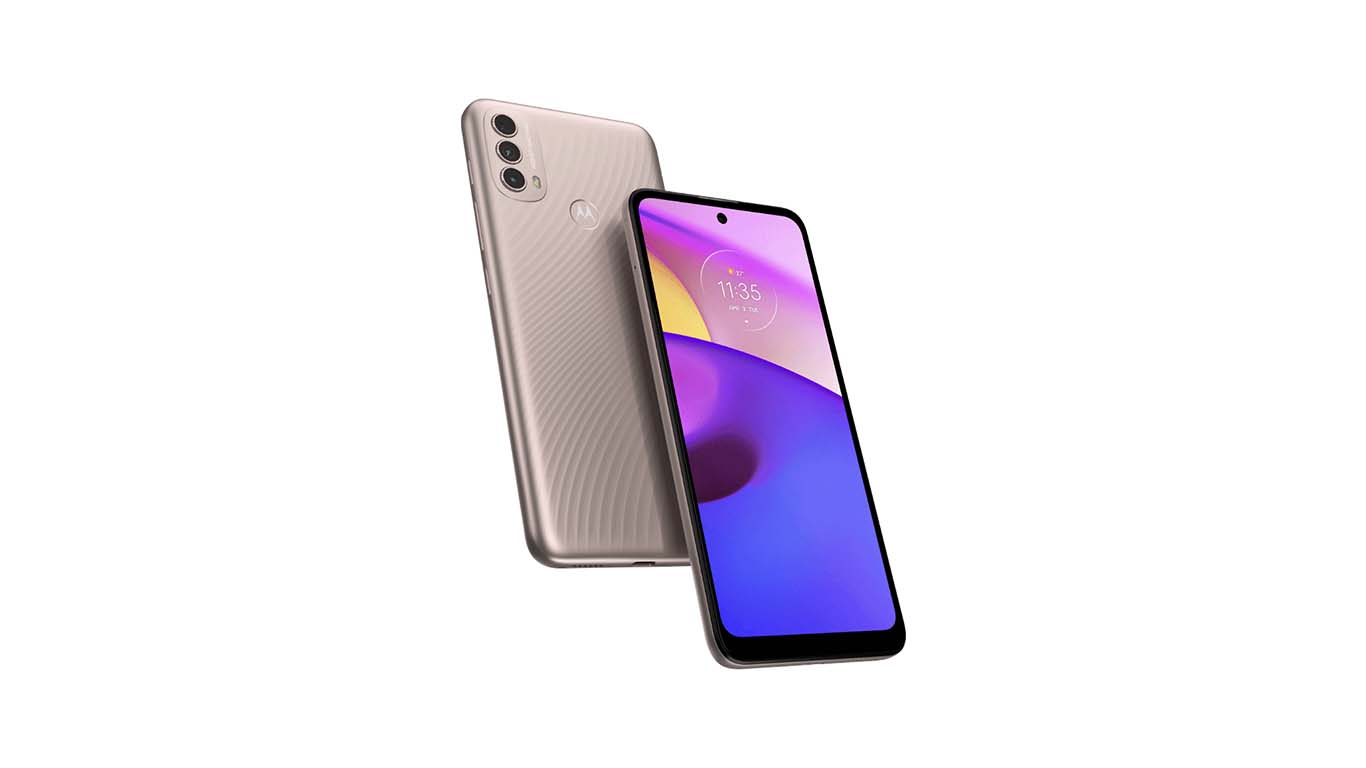
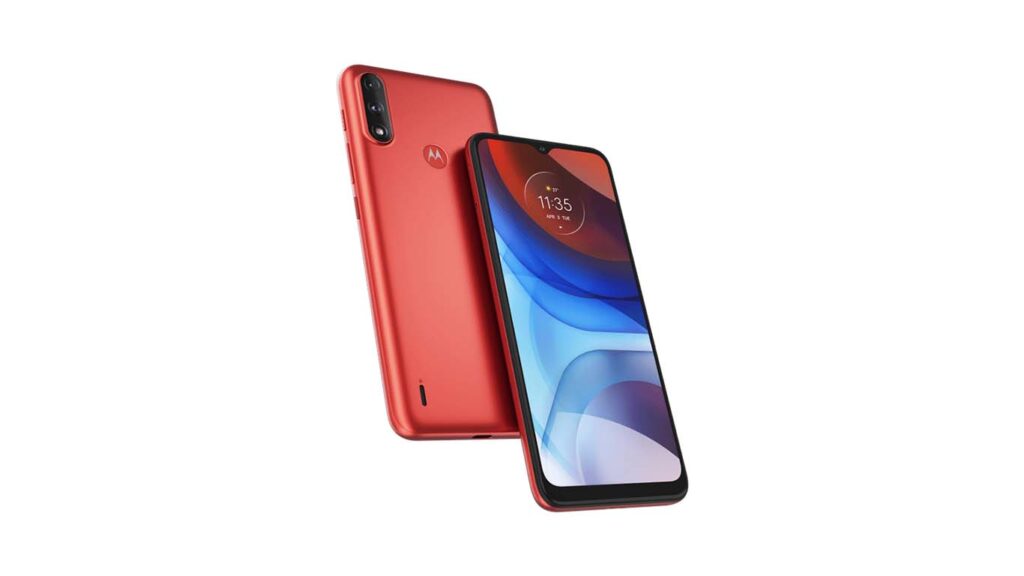
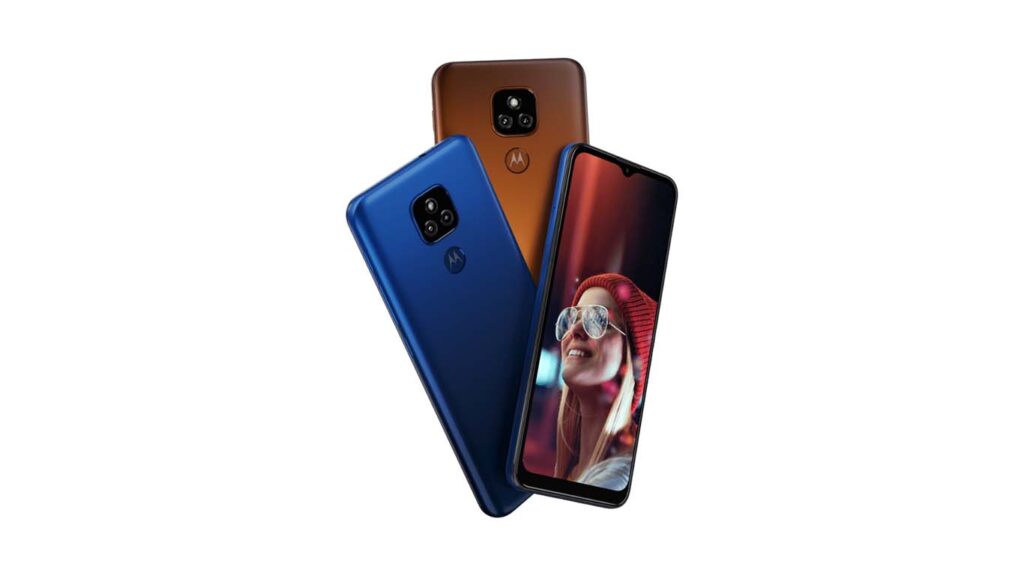
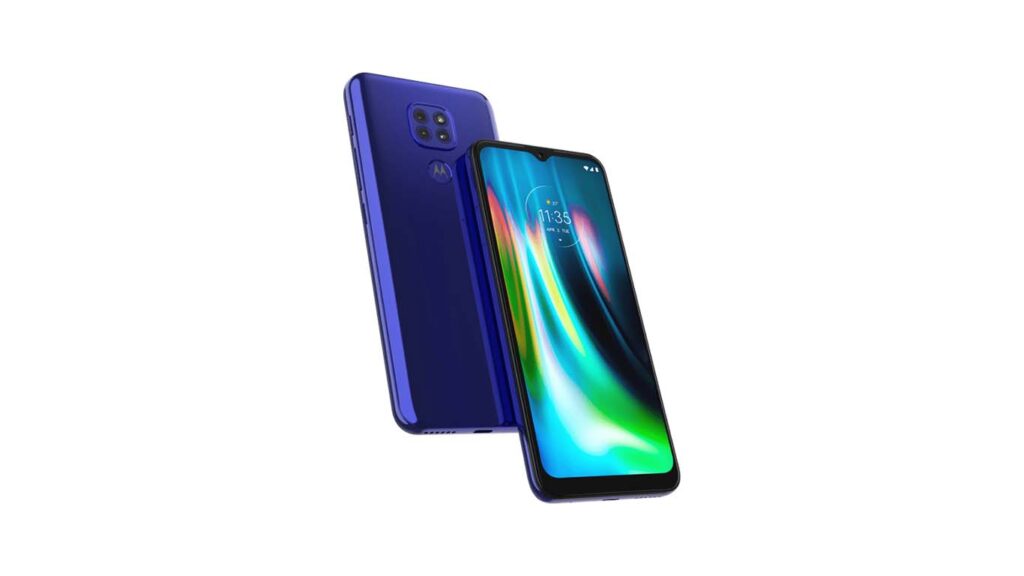


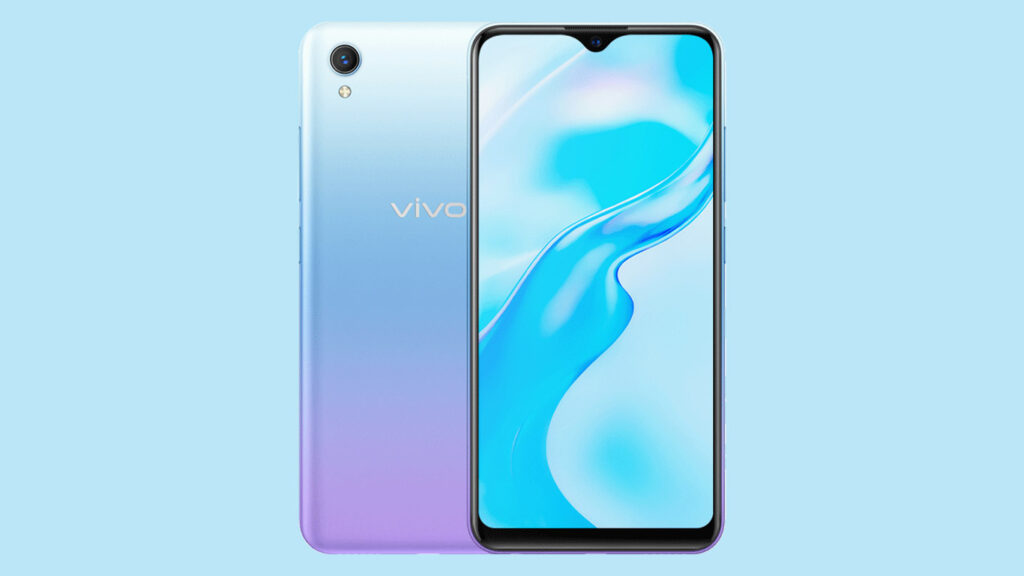


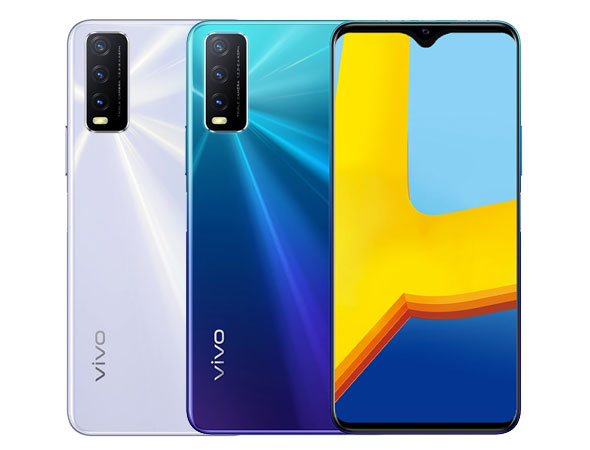


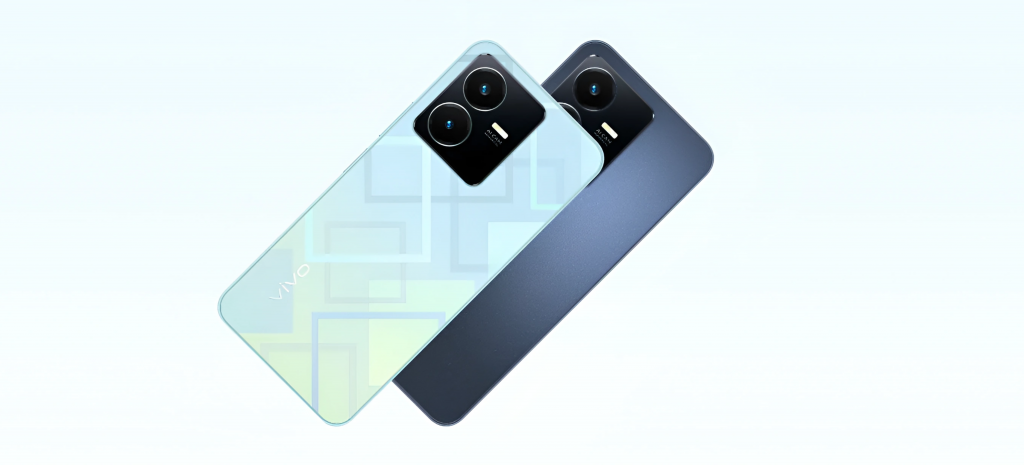


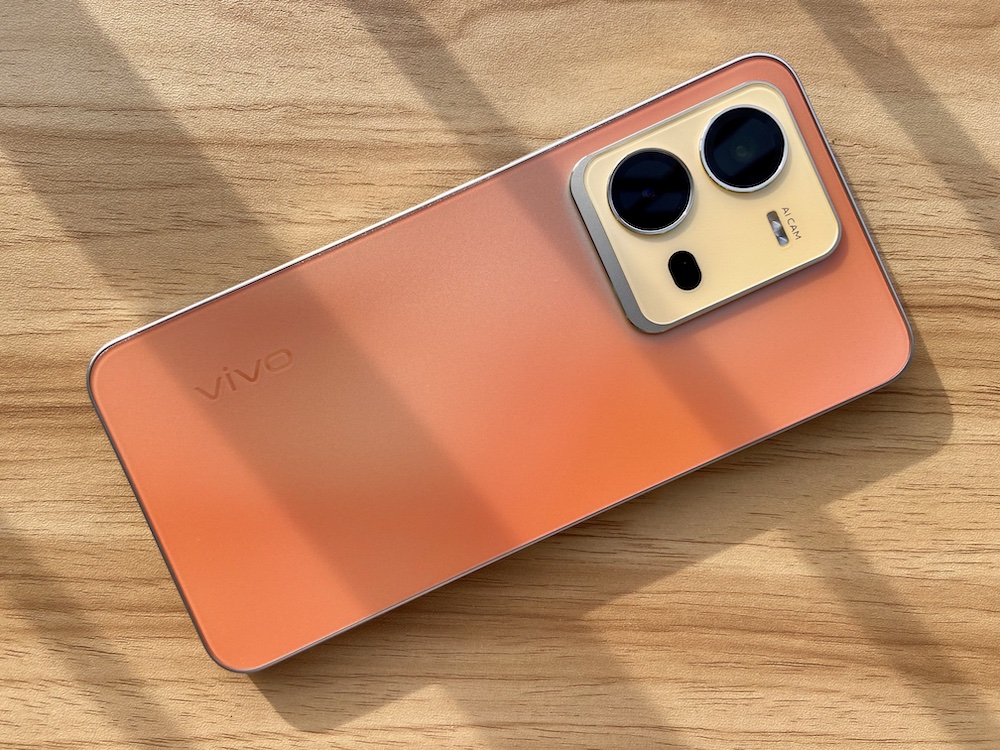
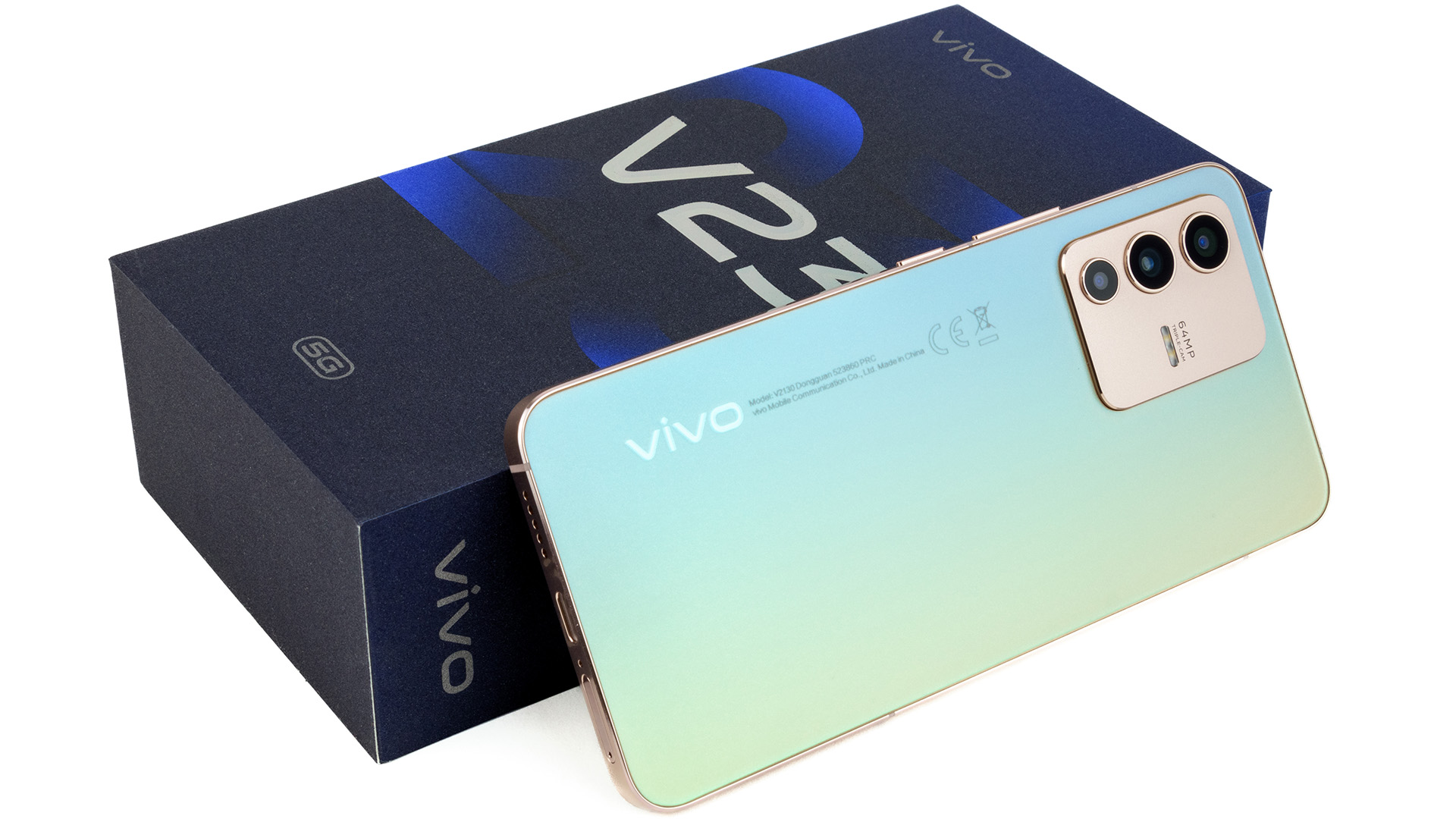

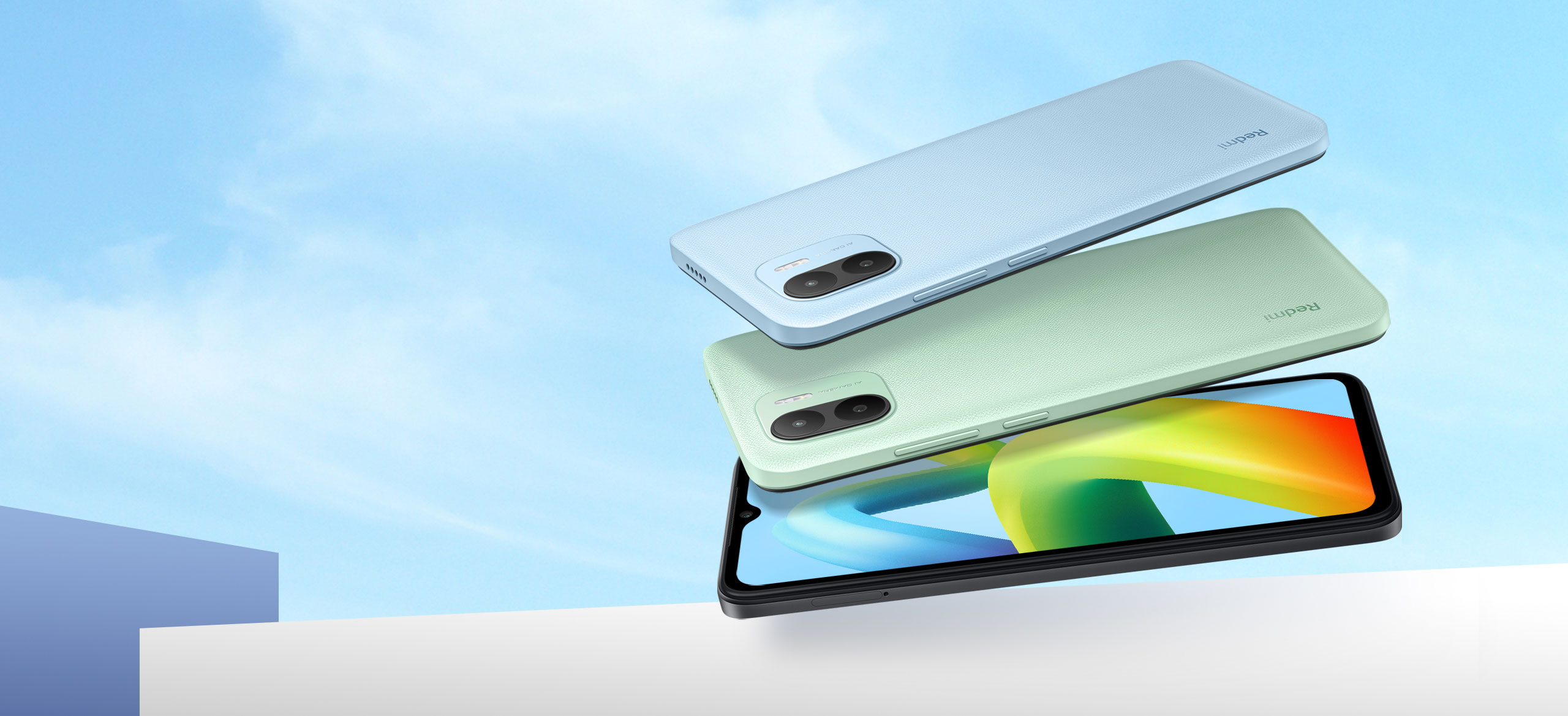
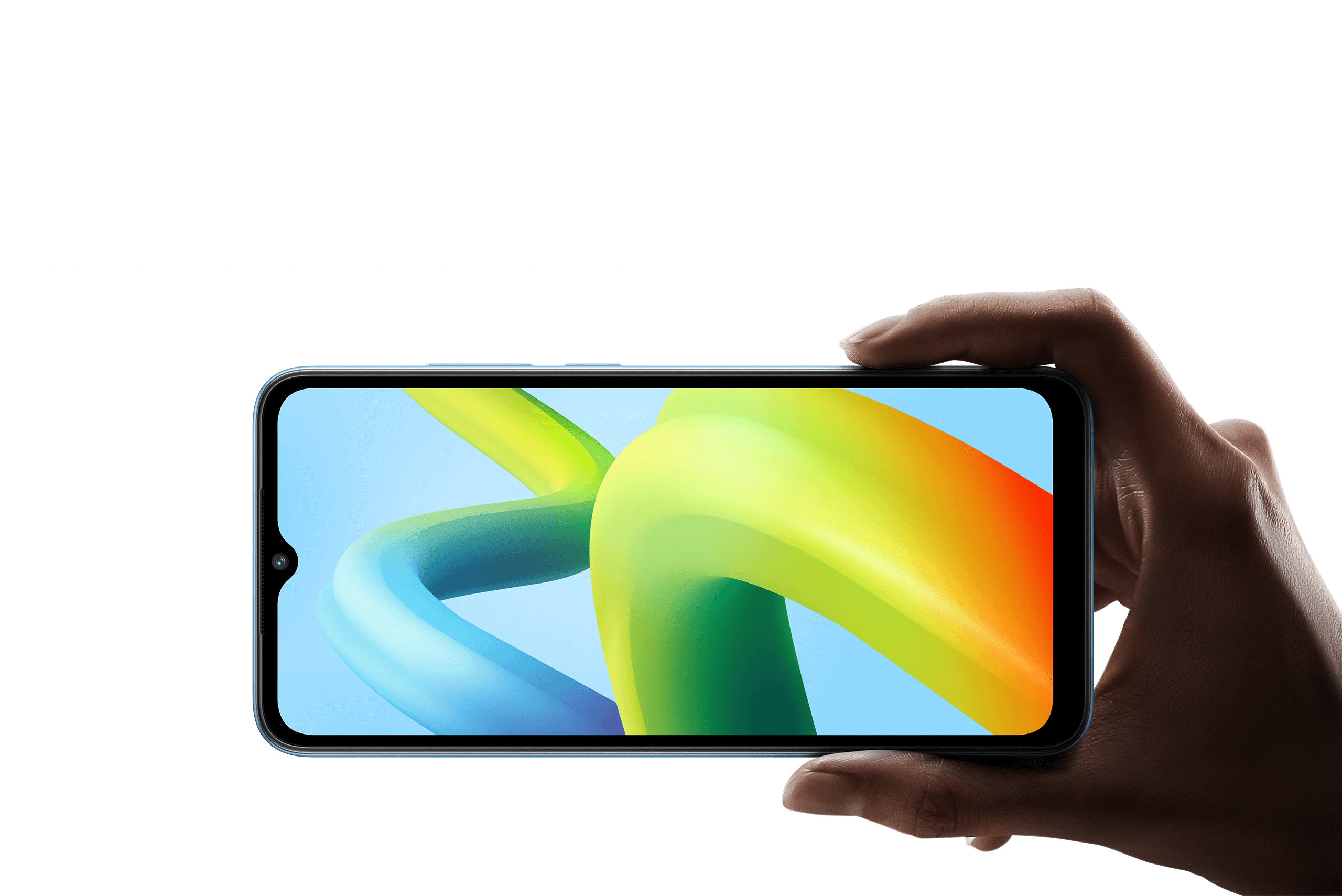
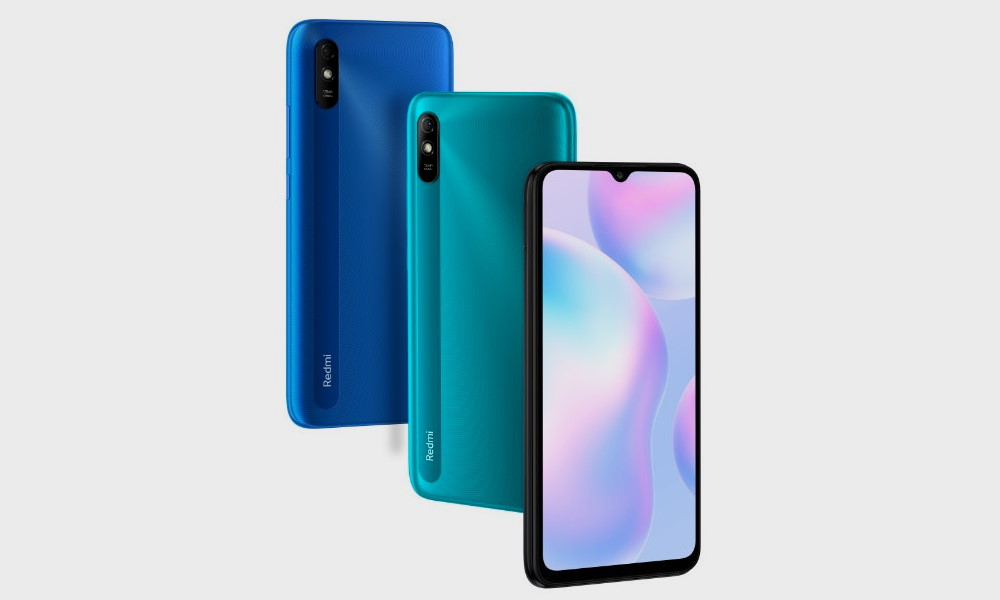
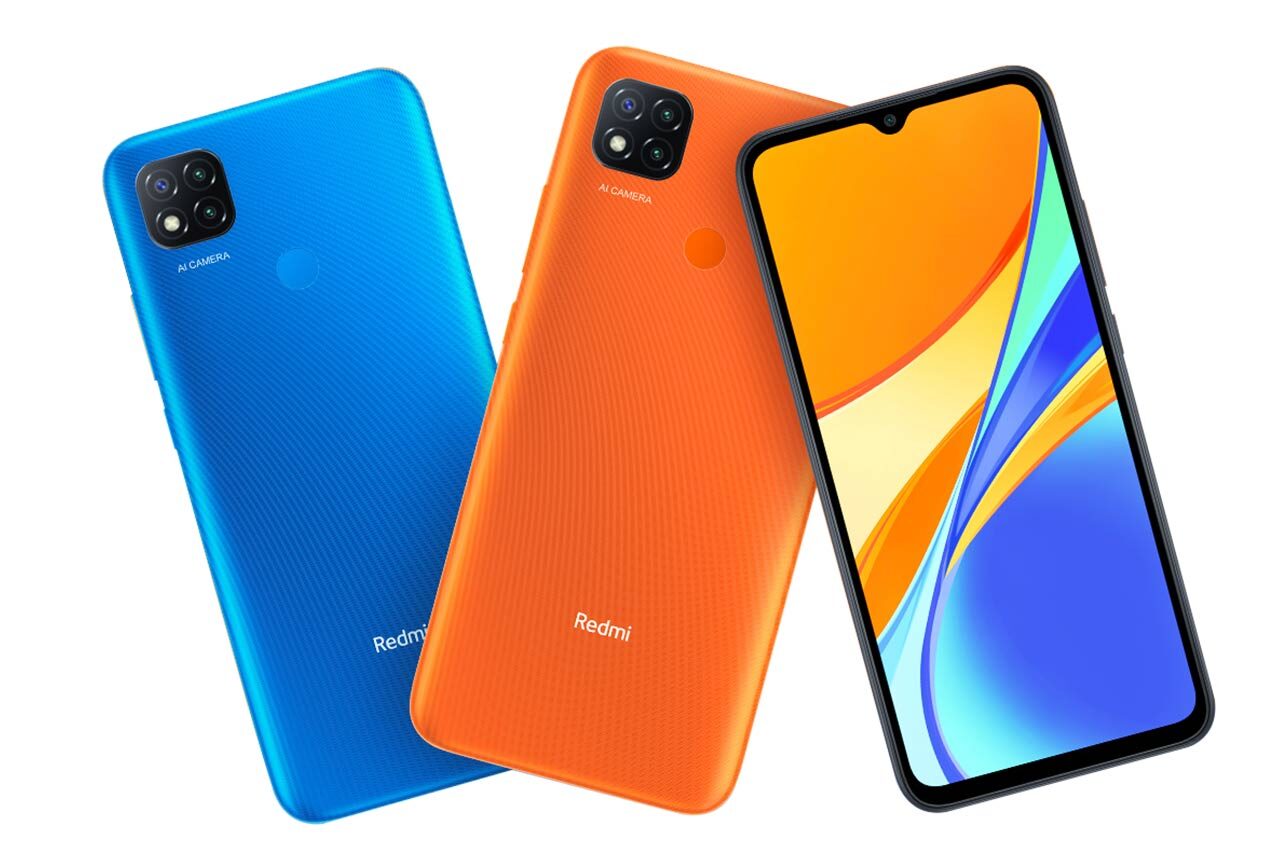
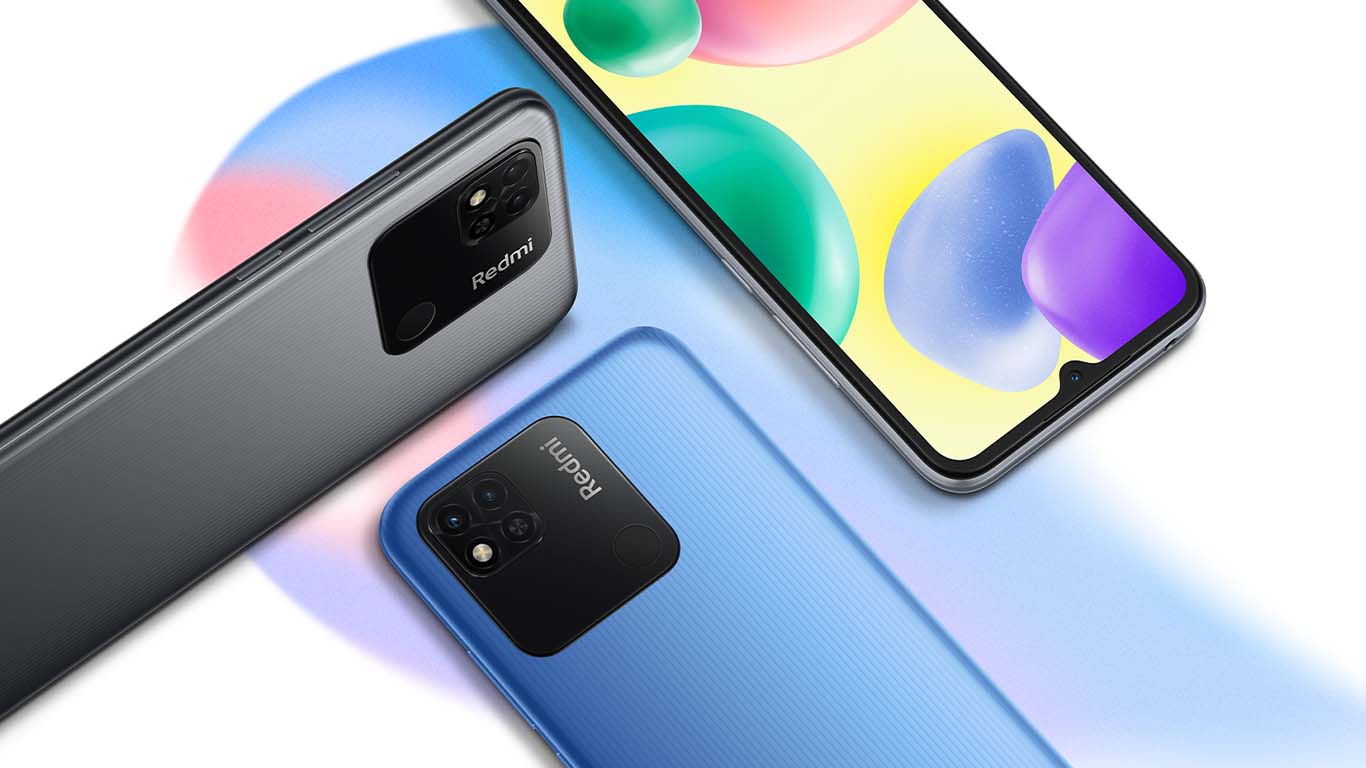
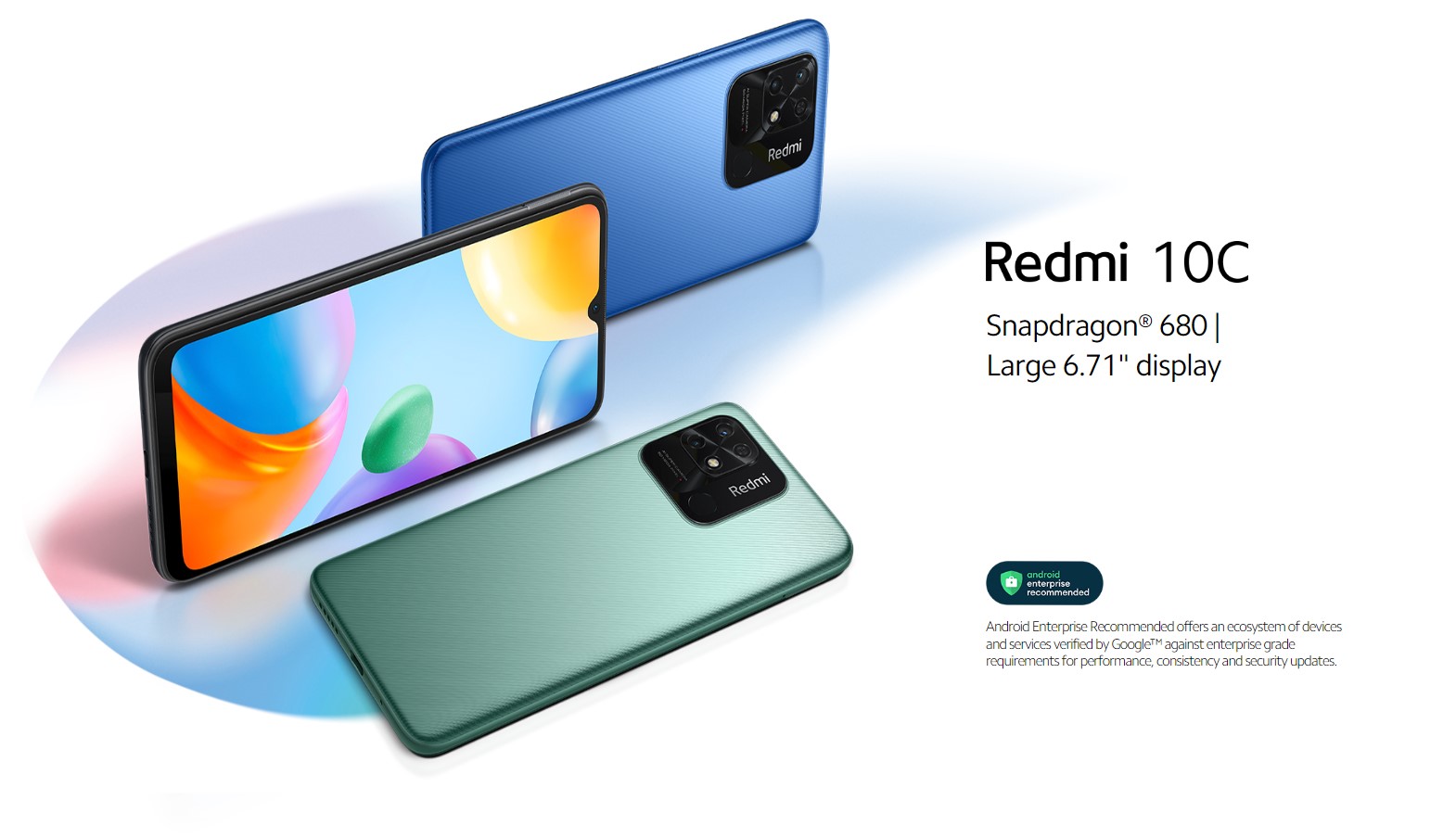

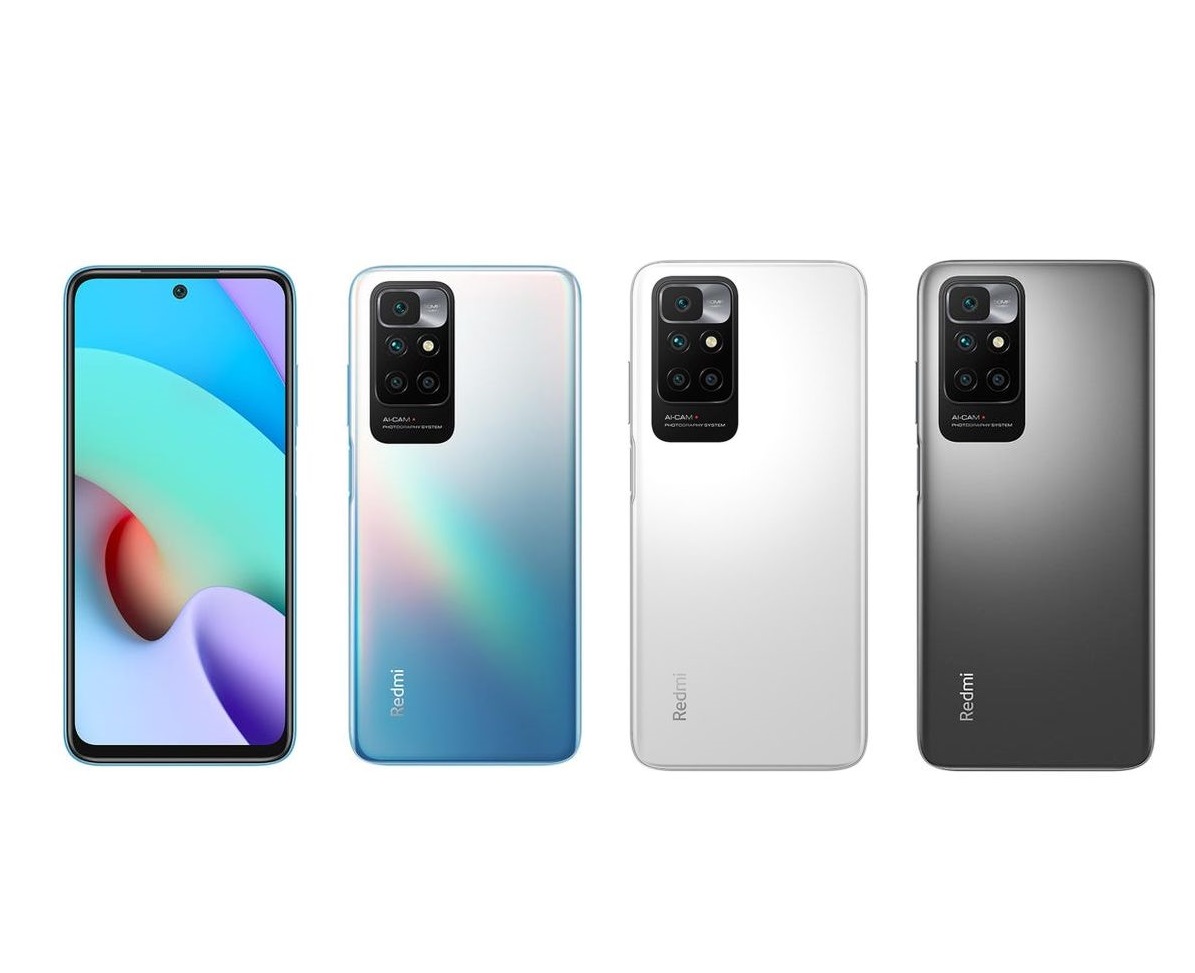

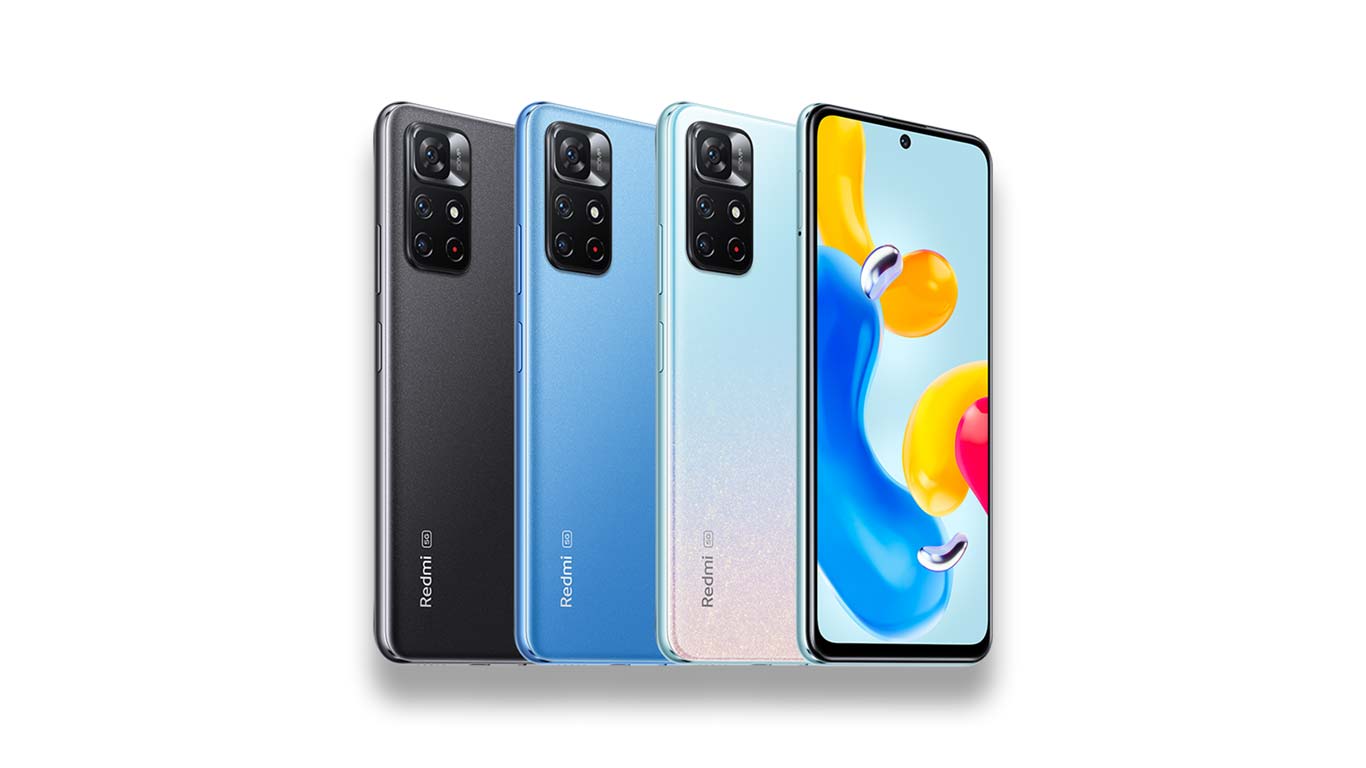
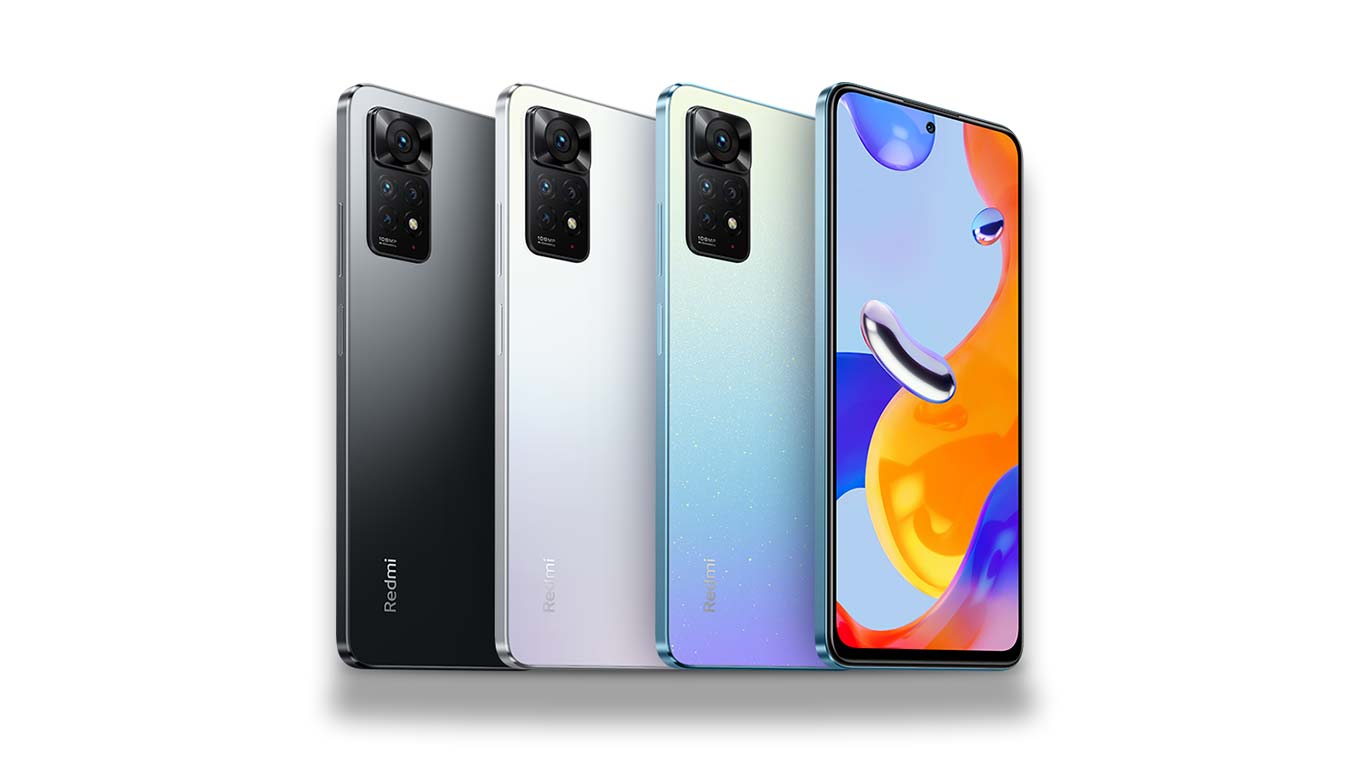
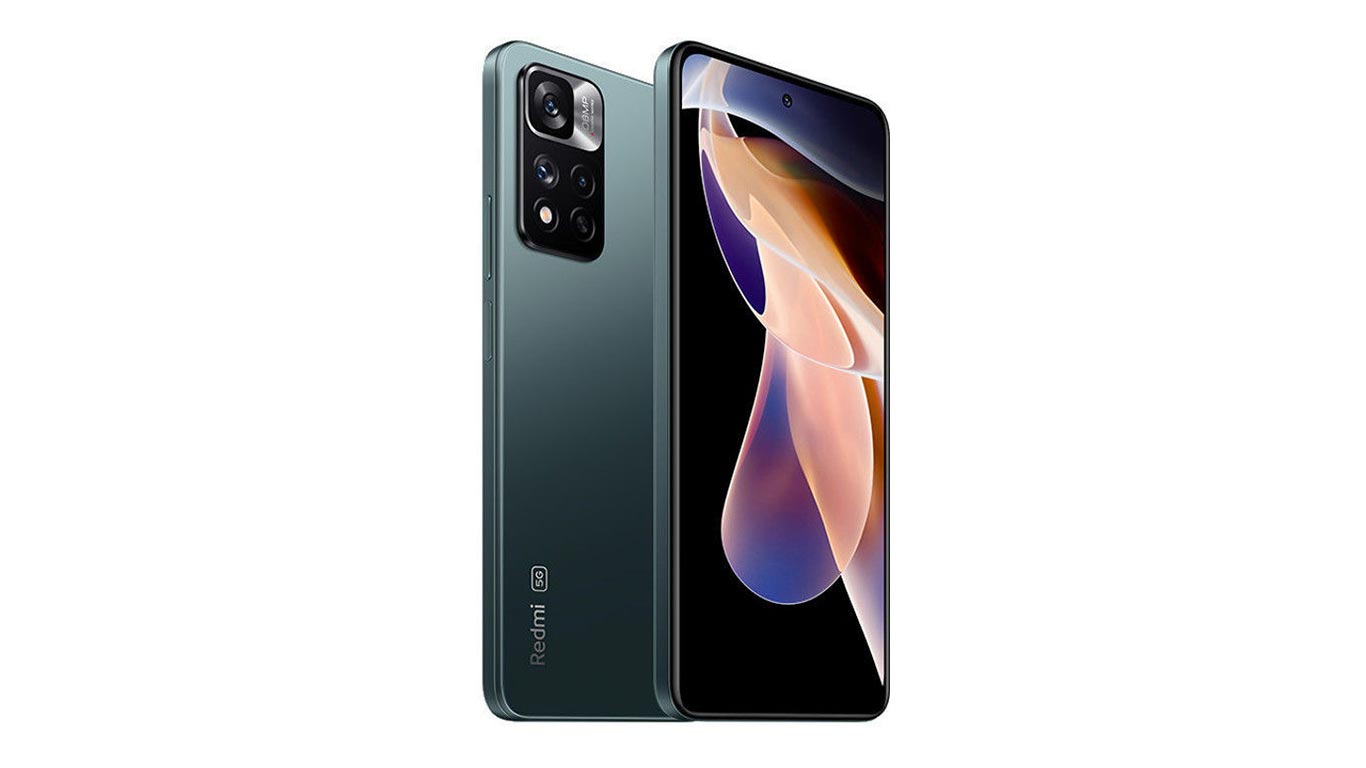
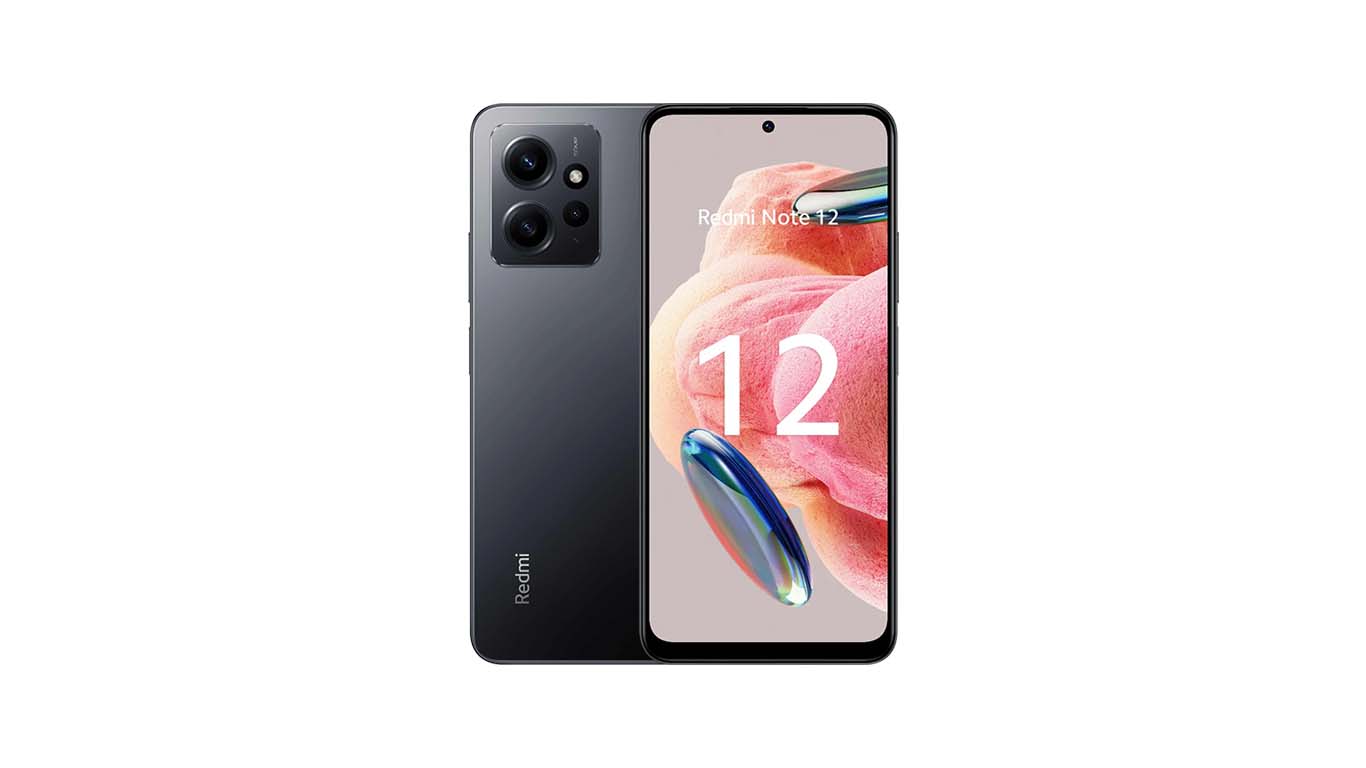
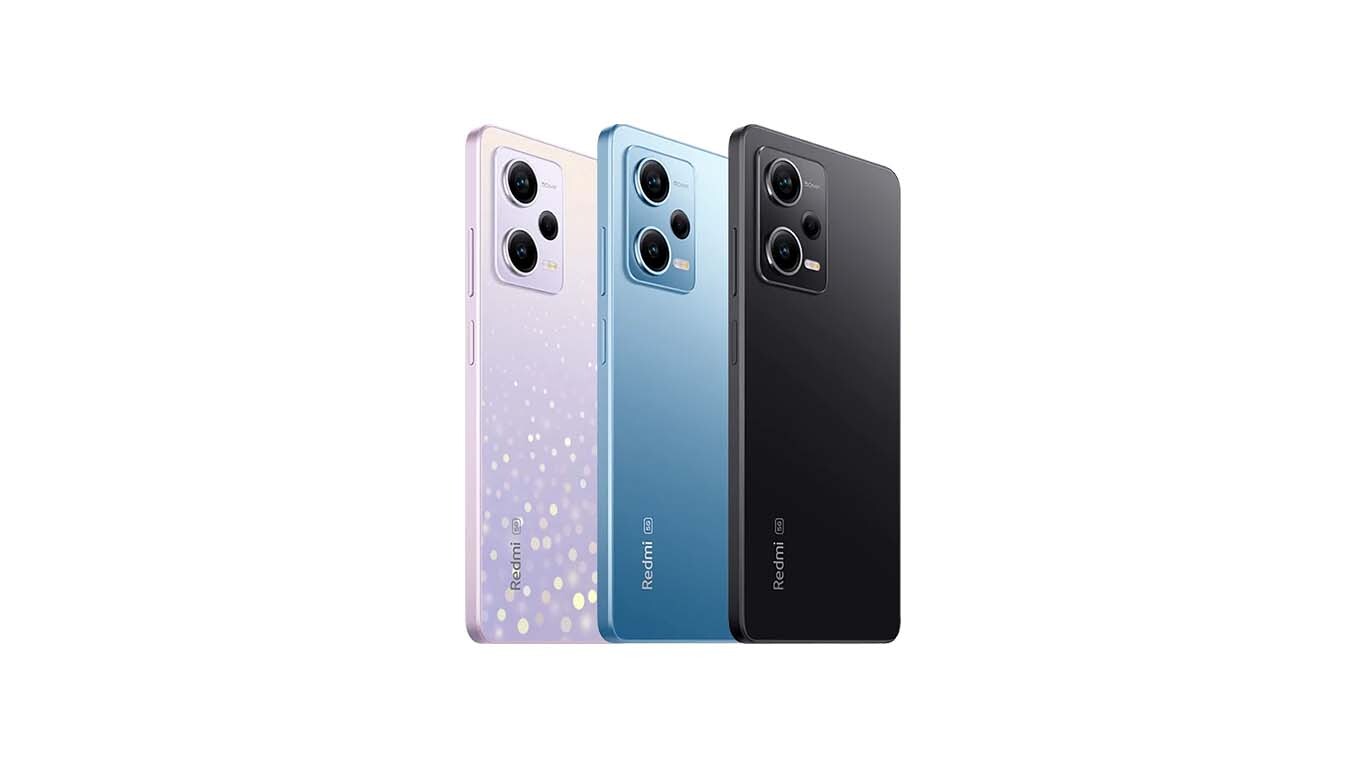
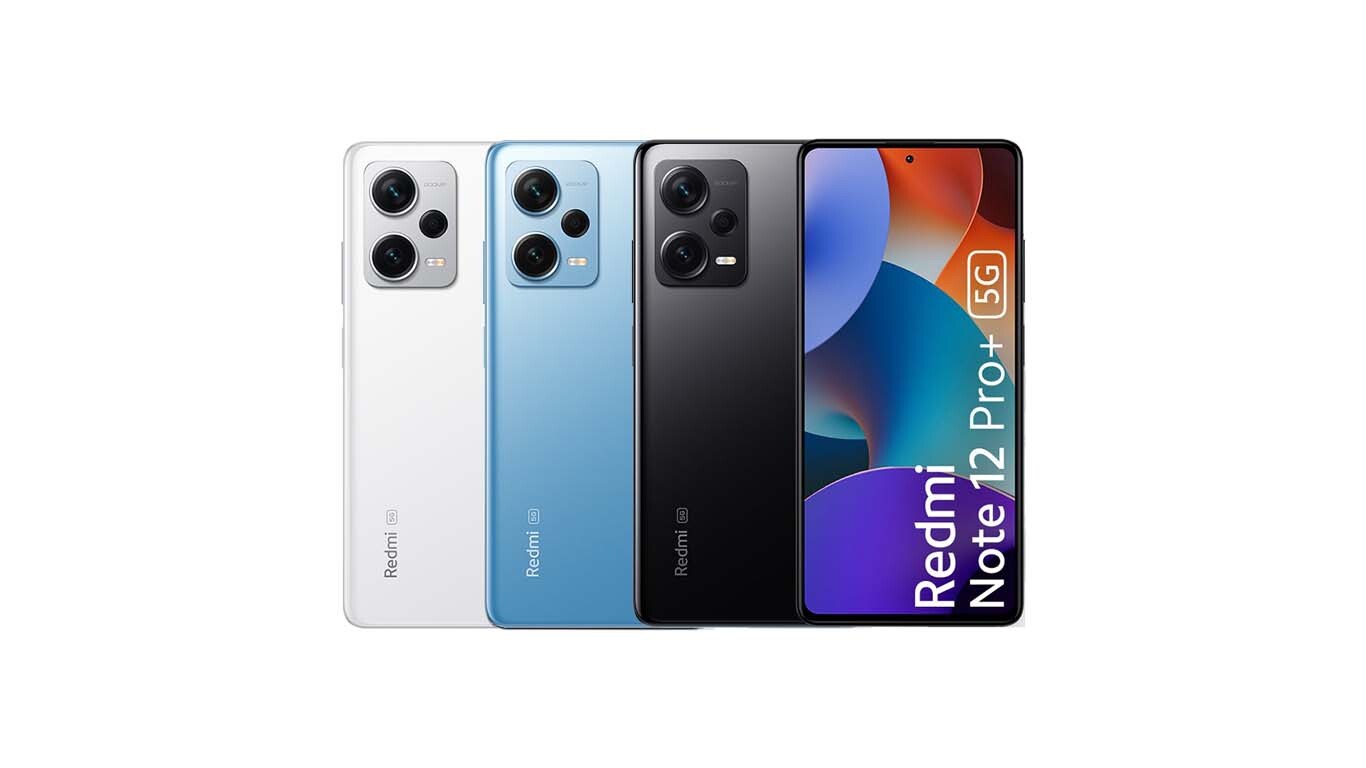
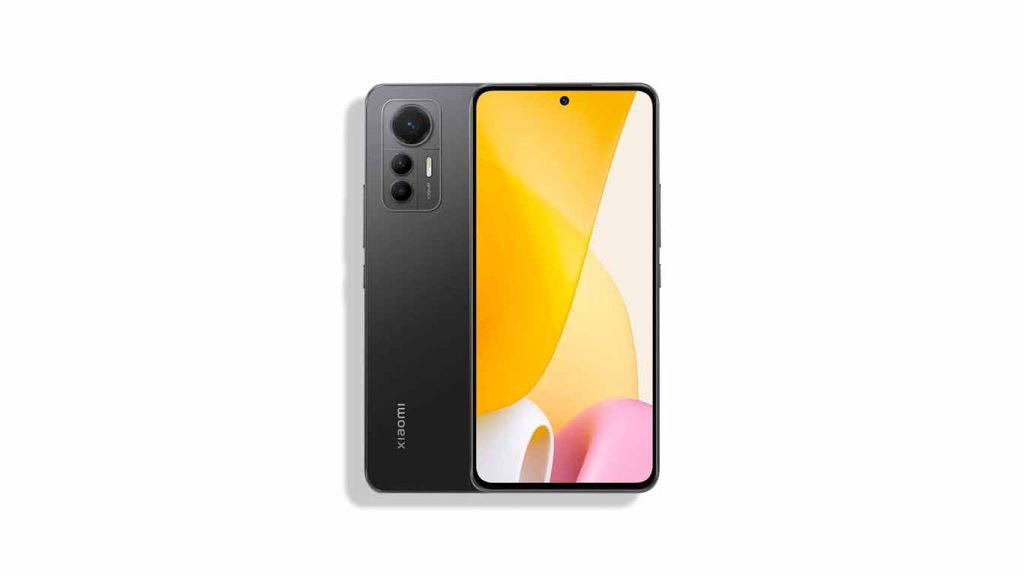
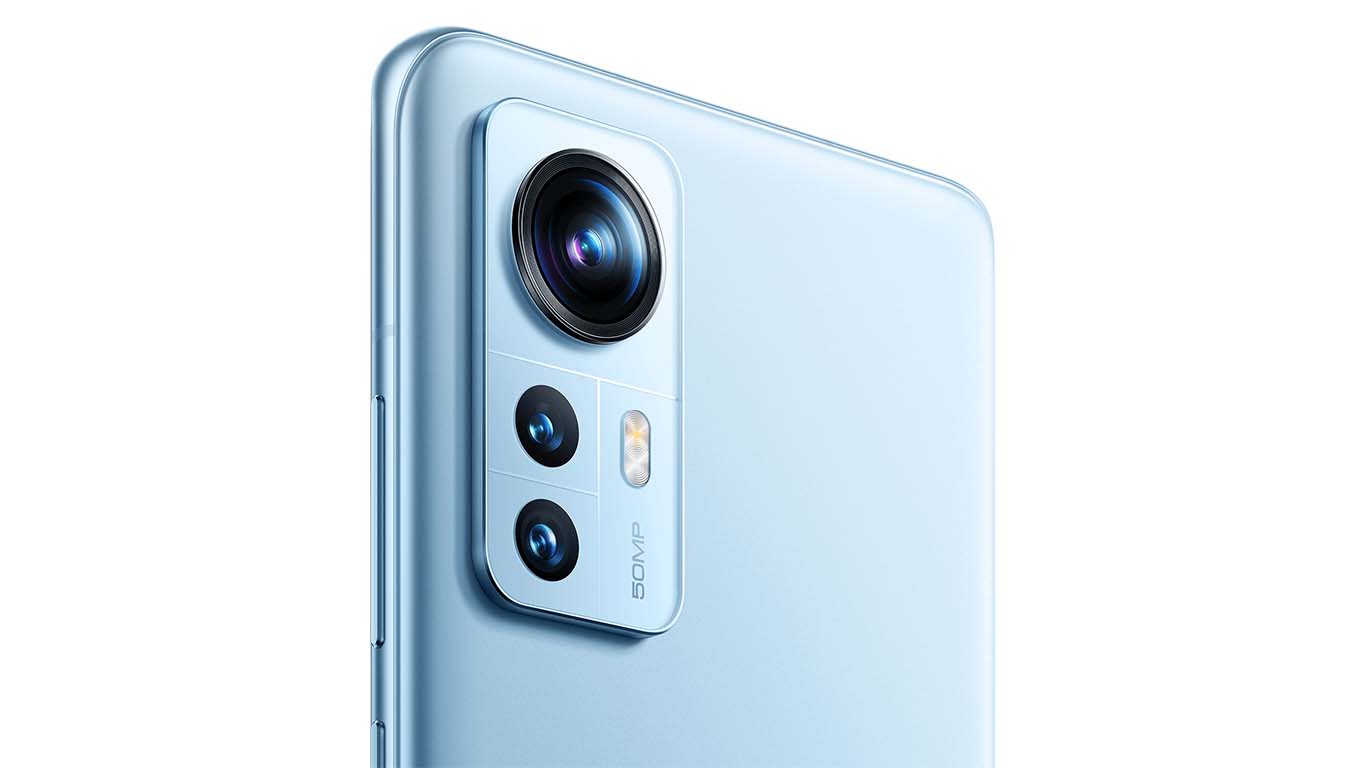
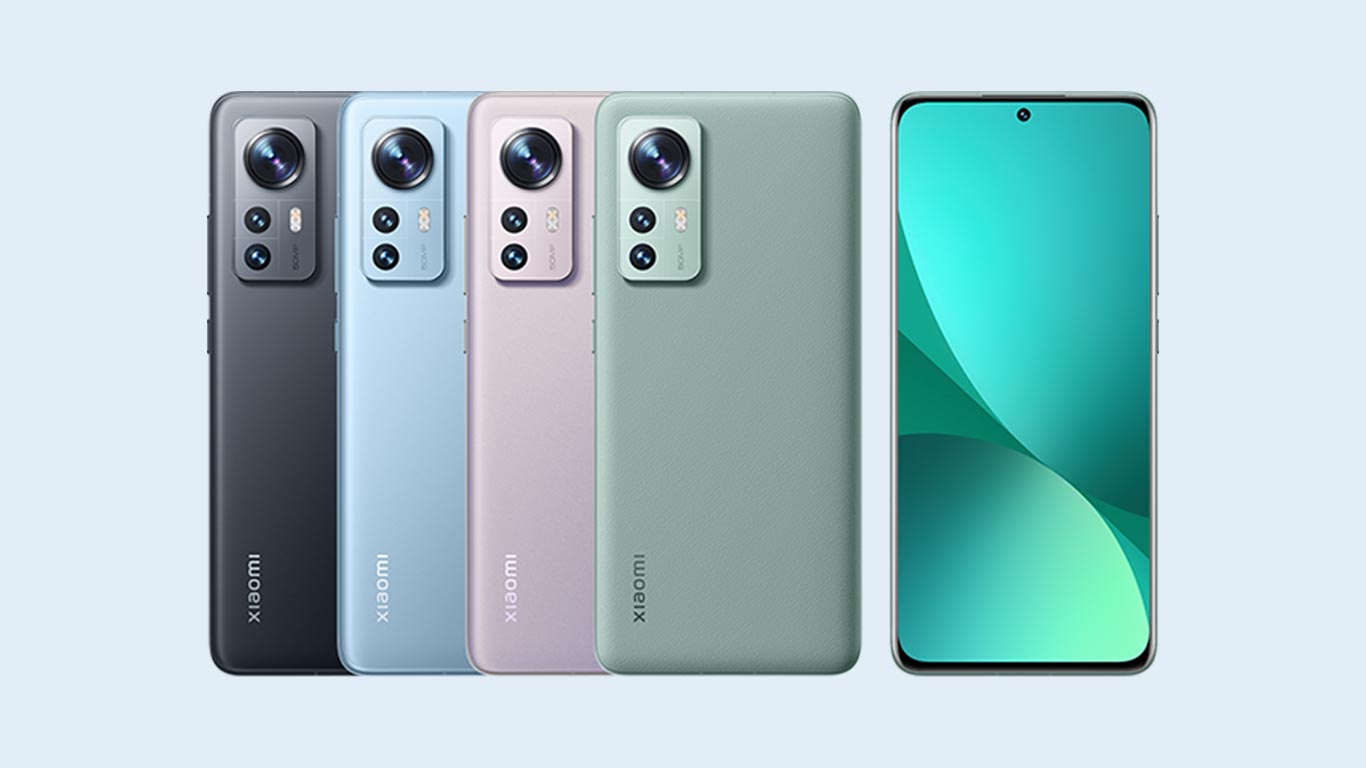
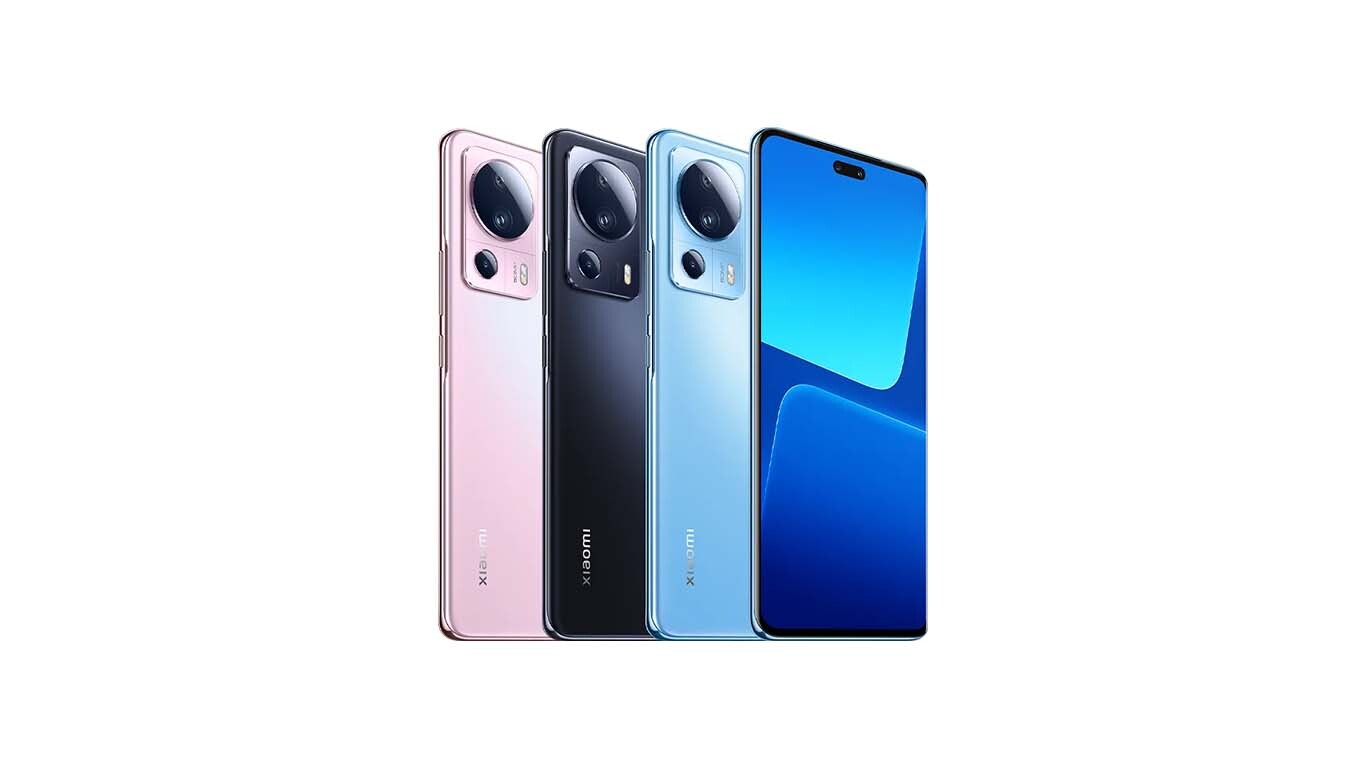
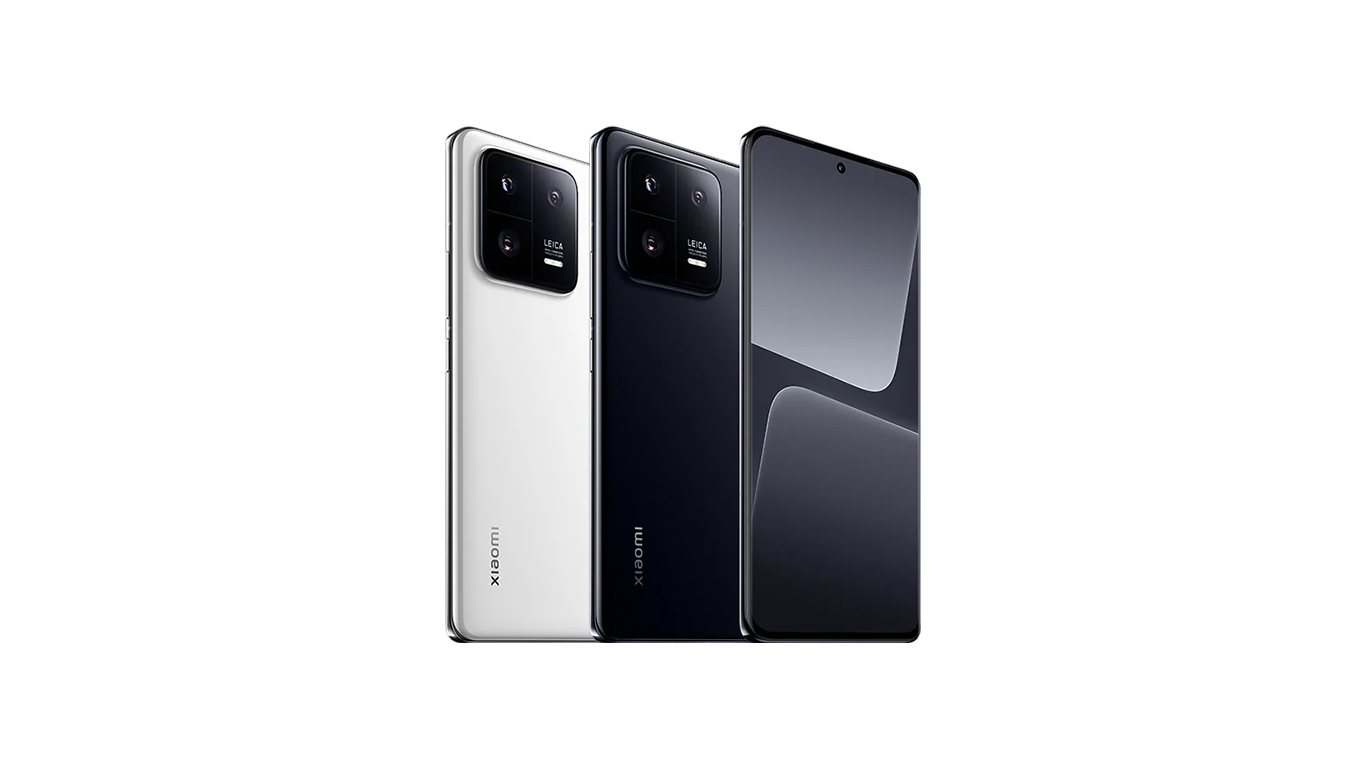
![iPhones Price in Nepal-2023 [Updated]](https://youtechnepal.com/wp-content/uploads/2023/04/iPhone-Price-in-Nepal-768x432.jpg "iPhones Price in Nepal-2023 [Updated]")